
What to know
- Indigenous artist Brenna Nanie designed the latest Toronto sign artwork, incorporating original illustrations inspired by the city’s waterfront, wildlife and the relationship between people and nature.
- The Mohawk and Ojibwe artist highlighted local wildlife, including foxes, coyotes, turtles, beavers and sturgeon, while drawing on Indigenous perspectives and storytelling.
- Nanie said Indigenous representation in major public spaces is important because it allows artists to share their perspectives and encourages people to reconnect with nature, even in a busy urban environment.
- She hopes the design inspires Torontonians to appreciate the wildlife and natural spaces around them. The artwork will be displayed on the Toronto sign for at least one year, with the possibility of an extension.
A new design wrapping around Toronto’s already-picturesque landmark sign is spotlighting Indigenous art, storytelling and the city’s natural environment.
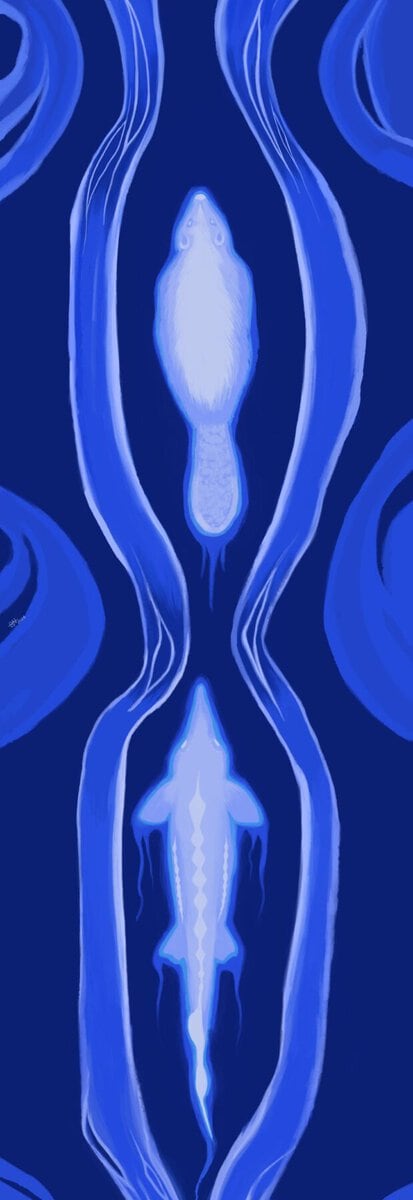
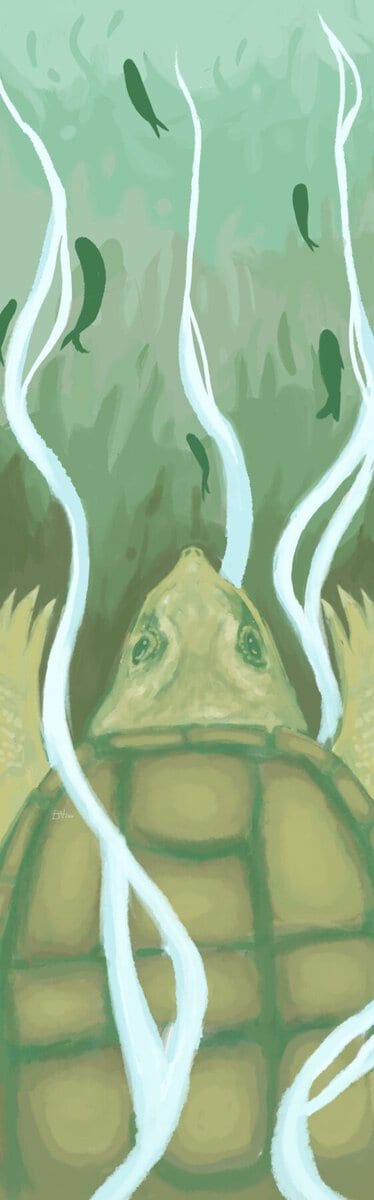
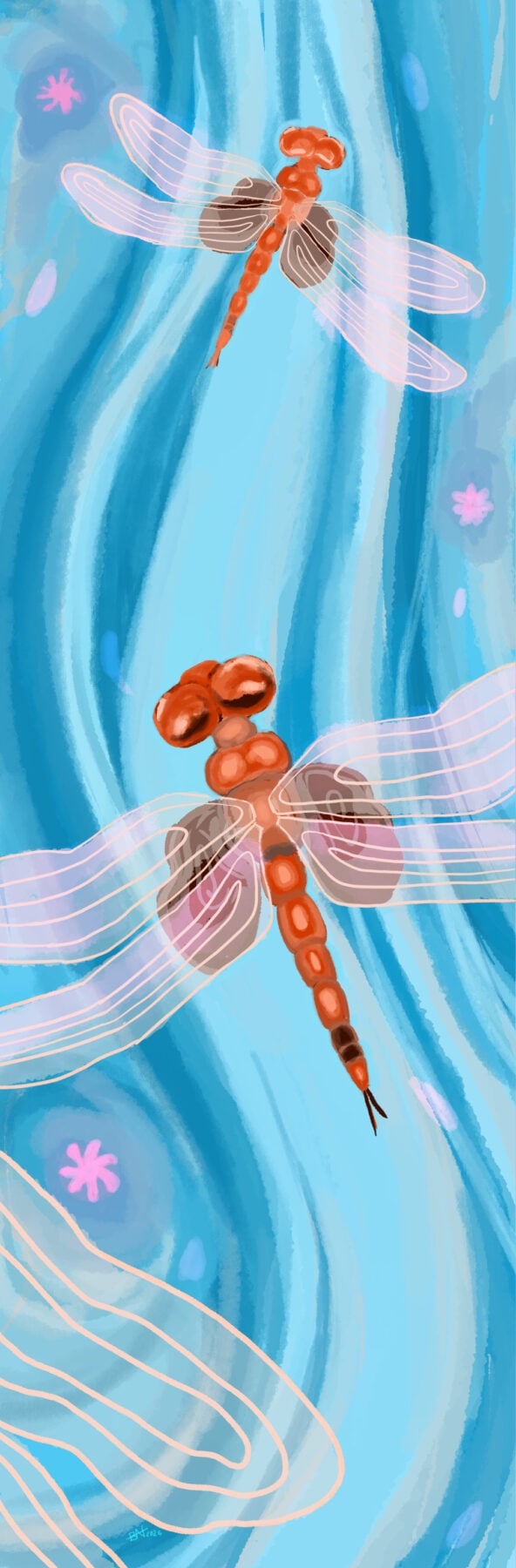
The latest Toronto sign wrap at Nathan Phillips Square was created by Indigenous artist Brenna Nanie and features original illustrations that were inspired by the city’s waterfront, wildlife and relationships between people and nature.
Nanie told Now Toronto that the artwork highlights the animals that call Toronto home, including foxes, coyotes, turtles and beavers. Simultaneously, it incorporates Indigenous perspectives and storytelling into the landmark at the near centre of the city.




Nanie is Mohawk and Ojibwe on her father’s side and Romanian and Irish on her mother’s side. She moved from the United States and has lived in Toronto for the past five years.
She said her artistic practice spans woodworking, puppetry, painting and digital illustration, with a focus on Indigenous aspects such as ways of knowing, community and living in harmony with nature.
The inspiration behind the new Toronto sign design
Nanie said she was selected by the city following a referral from one of her ArtWorksTO Indigenous Program leaders, from which she was a recent graduate. The city then provided her with several themes to help guide her, including Toronto’s identity as a waterfront city.
That inspired her to focus on water and the living beings that depend on it.
“I wanted to focus on the theme of water, and how that is interconnected with all the wildlife that lives here in the city,” she explained to Now Toronto. “We depend on the water, but it’s not just us that enjoy the rivers, the lake, the beaches, the little parkettes.”
Nanie said she wanted to highlight the relationship between humans, wildlife, and the city’s natural spaces, especially because visitors might not always recognize how much wildlife exists throughout Toronto.
The Toronto sign gave her the opportunity to bring that message to a larger audience.
Why Indigenous representation matters
For Nanie, the project was also a chance to share her perspective and encourage residents and visitors to see the city through her eyes.
Growing up attending ceremonies, visiting different Indigenous nations, and spending time in nature helped shape Nanie’s artistic approach.
She said she hopes her work encourages others to recognize that nature remains part of everyday life, even through the hustle of city culture.
“We… always will be a part of nature,” she said. “I just don’t want people to forget that it’s always there waiting for you.”
Nanie added that opportunities for Indigenous artists to showcase their work in major public spaces are important because they allow communities to see their perspectives represented.
“I think that our voices need to be heard, and especially our artists, because I think it’s such a beautiful way to represent our ideas in a way that can be processed visually,” she said. “That’s such a unique way to experience it.”
She hopes the project opens the door for more Indigenous artists to take on similar opportunities in the future.
What she hopes Torontonians take away
The design has received a warm response from Nanie’s family and community members.
One particularly meaningful moment came when a family friend from the Sturgeon clan saw the large sturgeon illustration featured on one of the letters.
Nanie said sturgeon imagery is not something people often see represented around the city, making the reaction especially rewarding.
“I was so glad that I could… honour them in that way,” she said.
Beyond appreciating the artwork itself, Nanie hopes the design encourages people to pay closer attention to the wildlife and natural spaces around them.
Whether it’s spotting a fox darting through city streets or discovering wildlife at a local park or beach, she hopes the illustrations inspire people to reconnect with their surroundings.
“I hope they take a piece of it… and they recognise the creatures that I’m representing, and they draw upon their own experiences,” she said.
The new Toronto sign artwork will be on display at Nathan Phillips Square for at least one year, with the possibility of being extended.


