What to know
- Prime Video has renewed Mike Flanagan’s Carrie, starring Summer H. Howell, for a second season, expanding on the Stephen King classic with a modern take on bullying, social media and growing up.
- Flanagan said he initially questioned whether the story needed another adaptation but was inspired to reimagine its themes for today’s youth, drawing on his experiences as a parent and concerns about his son entering high school.
- Howell developed her own interpretation of Carrie White without watching previous adaptations or reading King’s novel, drawing on her own experiences with social media and public school to portray a sheltered teenager discovering the world.
- The series explores empathy, parenting and communication, with teenagers consulted during the writing process. Flanagan hopes the show will spark conversations between parents and teens, while the second season gives Carrie more room to grow beyond her iconic horror persona.
The latest series adaptation of Carrie is getting a second season, expanding on the reimagined Stephen King cult classic that incorporates a modern touch on bullying, social media, and growing up.
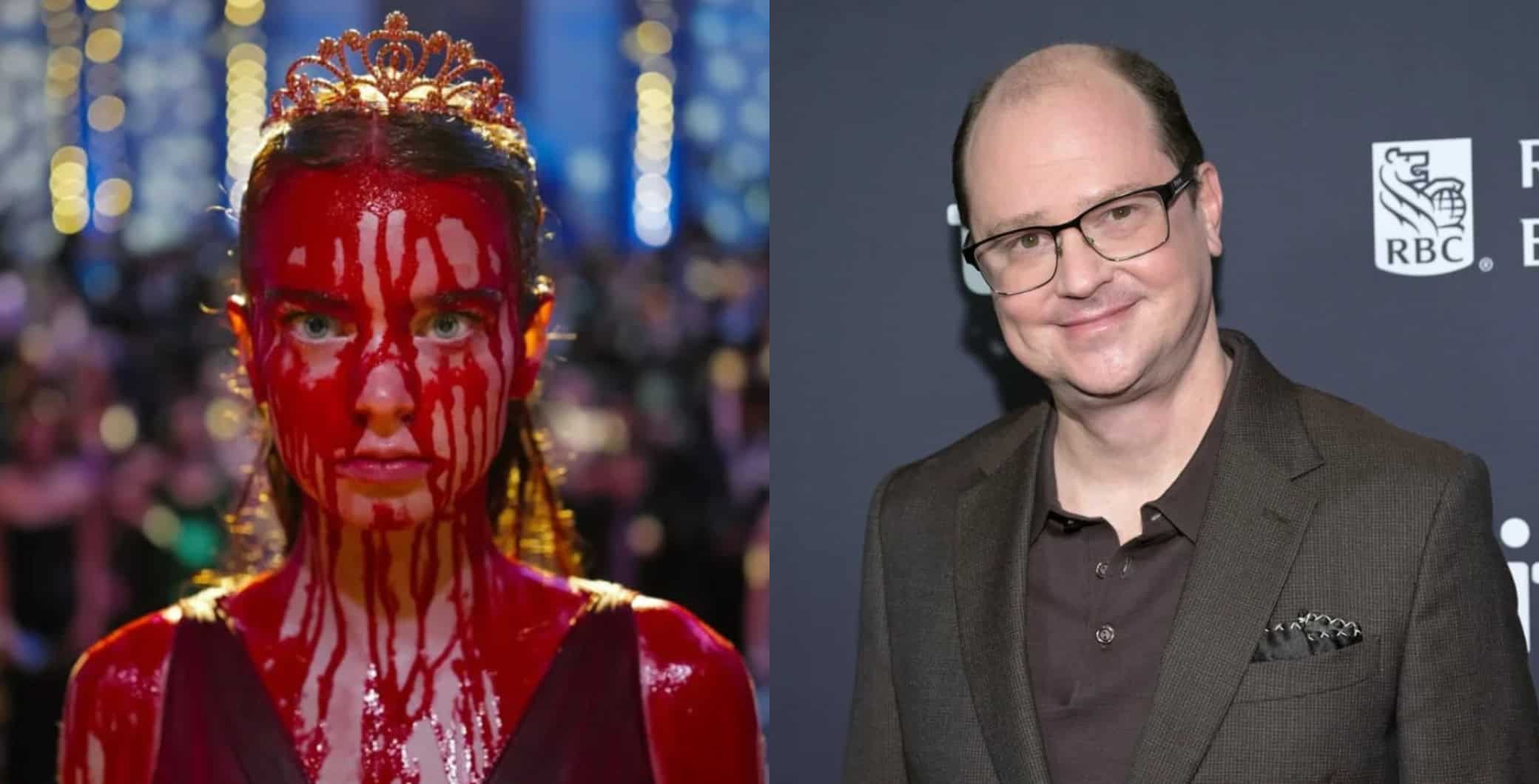
The season renewal comes for the Prime Video exclusive series, created by filmmaker Mike Flanagan and starring Summer H. Howell.
The pair brings a fresh, extended look to the story of young Carrie White, a sophomore whose sheltered, religious upbringing clashes with her desire to explore the world, while also dealing with the new cruelties of high school.
Read More
A closer look with Flanagan and Howell
The character of Carrie is synonymous with horror, already having seen multiple successful adaptations in the past.
In a sit-down interview with Now Toronto, Flanagan said he initially questioned whether the story needed to be told again.
However, his perspective changed when he thought about how the themes of Stephen King’s 1974 novel could be reworked for a modern audience.
“I couldn’t let go of this idea that if we took it apart and if we broke it down into all of its pieces, that we could use those pieces to build something new,” Flanagan said.
Flanagan is mostly known for his highly successful work on Netflix series The Haunting of Hill House and Midnight Mass.
For his latest, Flanagan said he wanted a story that was “fresh” and “vital” to today’s youth.
“[Carrie is] a story about cruelty, and empathy, and bullying, and our world has been shaped by those things in ways I don’t think Stephen King could have imagined 50 years ago,” he explained.
When it came to being a parent himself, Flanagan said his own experience helped shape his approach to the series.
With his oldest son preparing to enter high school, he found himself worrying about the world teenagers face today.
“I was feeling an enormous amount of anxiety for him about the world he was stepping into,” he said.
It became a starting point for a different version of Carrie White, as well as her peers around her.
Howell, who plays the leading role, told Now Toronto she avoided watching the original film or reading King’s novel before taking on the role.
Instead, she said she and Flanagan agreed that she should develop her own interpretation of the character.
“I could tell Carrie was different and I didn’t do too much research,” Howell said.
In this version, Carrie has spent 15 years trapped inside her home with her mother, initially homeschooled, leaving her curious about the world beyond it.
To bring the role to life, Howell said she drew on her own experiences growing up with social media and attending public school, in order to bring as much authenticity to the role as possible.
The actor said her experiences of high school helped with her portrayal of a teenager navigating a world, an experience that can be both exciting and intimidating.
Flanagan also emphasized the importance of making the production a safe environment for Howell and the rest of the cast, especially given the emotional demands and potential stress of the role and story.
“The best way that I can protect [Howell] is to listen to [Howell],” he said.
Flanagan added that his responsibility was to create a supportive environment instead of making decisions on the actors’ behalf.
Adding the element of parental choices in Carrie
Aside from its horror elements, the series also explores the challenges of parenthood and having to try to understand children who may have differing opinions and wants.
Flanagan said that in the spirit of authenticity, the writers invited teenagers into the writers’ room to share their experiences.
He said this allowed the creative team to hear directly from today’s youth about what mattered to them and what they were each going through.
The conversations also changed Flanagan’s parenting style outside of his work, with the filmmaker adding he now communicated with his own son differently.
“There was all this incredible room for improvement there,” he explained. “I would say, ‘How is school?’ Which is the worst question you can ask a teenager. It invites no answer.”
Instead, Flanagan said he now asks questions like “What’s something that made you laugh today?” “Who did you sit with at lunch?” “What was something that surprised you?” and “What was something that scared you?”
“Then I realised we were talking,” he said.
That emphasis on communication also branched over to Carrie’s mother, Margaret White.
According to Flanagan, in previous versions of Carrie, Margaret is depicted as a very abusive parent who hates her daughter.
In Flanagan’s interpretation, Margaret is a mother whose passionate love is made complex due to her anxiety.
“Ours is one who ferociously loves her daughter, and is so scared and anxious for her entering this world,” he said.
With the contemporary twist, Flanagan said he hopes that approach will make the series a conversation starter for parents and teenagers who are watching together.
Howell agreed, adding that kind of experience within families would mean a lot to her.
“Just knowing that we could be on the screen for them and start conversations, it’s very special,” she said.
Flanagan said the creative team also hopes to challenge the idea that Carrie is just a scary character in the horror genre.
For Howell, the character is a teenage girl who wants to get out into the world and experience life.
“She’s so much more than just a girl to be scared,” Howell said. “She goes on a whole journey throughout the season, and I can’t say too much, but I like to think that she’ll have more to go.”
Carrie marks Flanagan’s fourth Stephen King adaptation
Flanagan’s interpretation also reflects his broader view of King’s work, which he believes is often misunderstood as mostly being about monsters, blood, and scares.
“I think at his heart [King] is an optimist about humanity,” Flanagan explained. “I’ve always looked at his stories as beautifully empathetic
He added that the “terrifying” adaptation of Pet Sematary was also about how scared a parent is to lose a child. He even sees It as a story about the power of friendship and the courage to stand up to something bigger than yourself.
“A lot of people think It is about a shapeshifting clown monster. No,” Flanagan said. “It’s about kids who stand up against a force that is way bigger than they are, and they do it by forming friendships and holding on to each other, and it’s about finding bravery in friendship.”
He went on to explain that for King’s stories, it’s never actually about the horror creatures.
“He doesn’t write about monsters. He writes about people,” Flanagan said.
With a second season now confirmed to be approved and in the works, the new Carrie has the opportunity to continue exploring these themes further past where previous adaptations have ended, giving the series’ leading character more room to grow beyond her classic persona in horror culture.