What to know
- Canada has raised its travel advisory for France, urging citizens to exercise a high degree of caution due to widespread demonstrations, some of which have turned violent with reports of looting, arson, and clashes with police.
- The unrest began with student protests in September and has escalated into nationwide action over rising living costs, fuel prices, and public service conditions, causing major transit disruptions and vandalism.
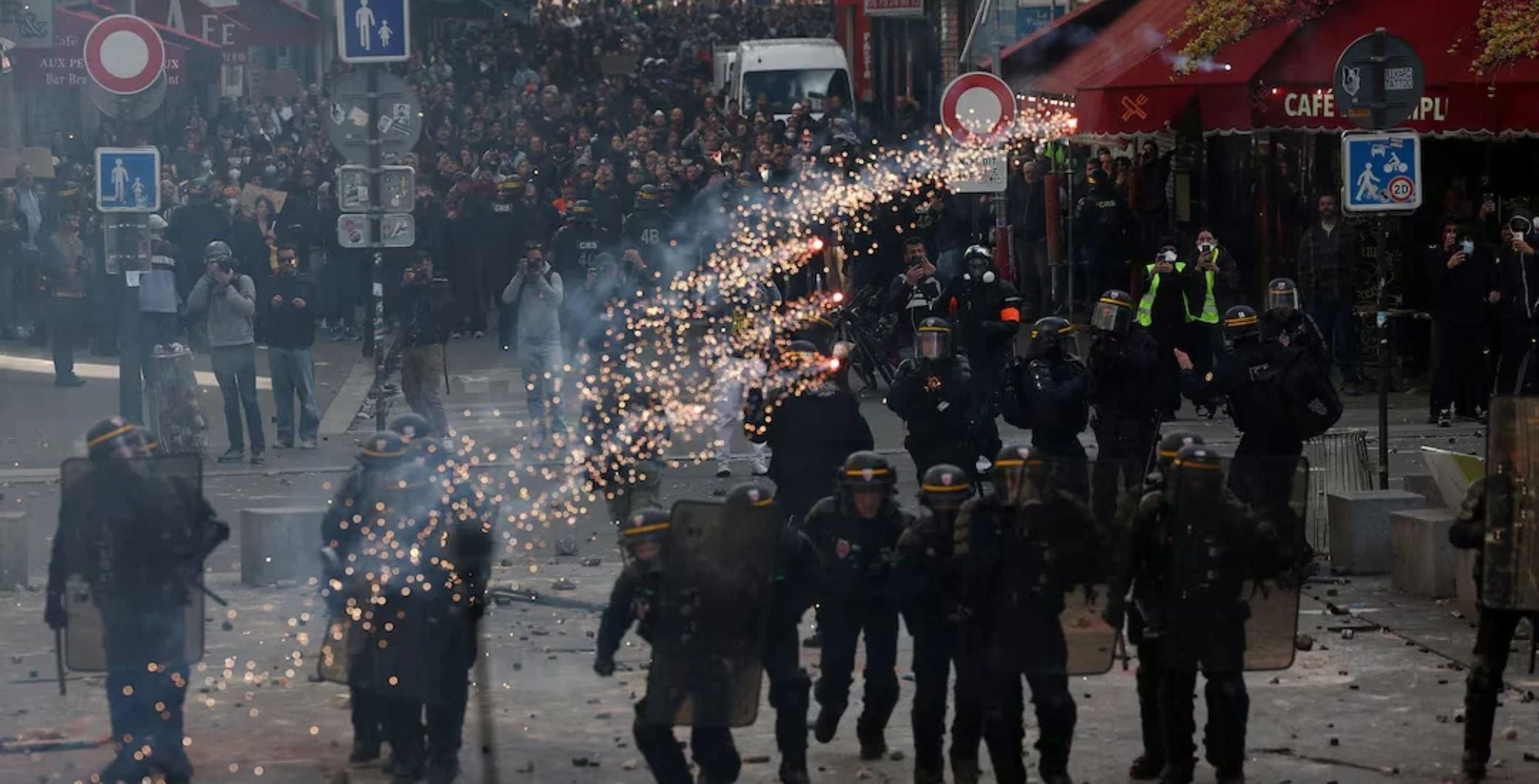
- Canadian authorities warn that even peaceful demonstrations can quickly become dangerous, with some areas experiencing curfews, increased police and military presence, and the use of tear gas by security forces.
- Travellers should closely monitor local media, avoid protest areas, follow curfew orders, and be prepared to change plans as the situation evolves, as France remains under a heightened terrorism alert.
Dreaming of seeing the Louvre, the Eiffel Tower, or taking a boat across the Seine? You may want to hold off. The Government of Canada is urging Canadians to “exercise a high degree of caution” throughout France due to violent, nationwide demonstrations.
What began in September as student protests over overcrowded classrooms, teacher shortages, and poor school conditions has grown into nationwide demonstrations over the rising cost of living, fuel prices, and public services.
@abcnews Protesters across France called for street demonstrations Saturday against rising living costs, joining high school students' grievances over education conditions after more than three weeks of school blockades. #paris #france#protests ♬ original sound – ABC News
In the last few days, more and more citizens have hit the streets, with hundreds of thousands marching across France. Some demonstrated and experienced violent clashes, fires and looting.
With rising demonstrations causing transit disruptions and vandalism across the country, Global Affairs Canada issued an official update on Monday, urging Canadians to “exercise a high degree of caution” while travelling in the country.
Read More
“They led to disruptions to public services and transportation and resulted in vandalism, looting, arson, and violent clashes between protesters and police. In some cases, security forces used force, including tear gas, to disperse crowds,” the statement reads in part.
Local curfews are in effect in certain municipalities, so travellers should check with local authorities to see whether they’re in an area subject to a curfew.
The Government of Canada’s tips to stay safe
The Government of Canada reminds travellers that even peaceful demonstrations can turn violent at any time. Either way, they have shared tips to stay safe.
- Avoid areas where demonstrations are taking place.
- Monitor local media for the latest information.
- Follow local authorities’ instructions, including curfew orders.
- Be prepared to adjust your travel plans in the event of disruptions.
- Expect heightened security measures and an increased police presence.
The French government currently has a second-level Vigipirate plan in place, the second level of a three-level public alert system for terrorism. They are currently engaged in Operation Sentinelle, where police and gendarmes, assisted by military units, are permanently deployed in public areas that could be targeted by terrorists.