What to know
- Toronto-born Victoria Greenwood founded the Indigenous Dance Foundation at 17 to bring free dance lessons to Indigenous youth in Nunavut.
- The foundation has delivered six programs across five Nunavut communities, reaching hundreds of young people.
- Greenwood received the Guiding Light Award for Truth and Reconciliation at the Future is NOW! Awards, which recognize young people making a positive impact in their communities.
- The 18-year-old says collaboration, listening and building lasting relationships with Indigenous communities are central to her approach to allyship.
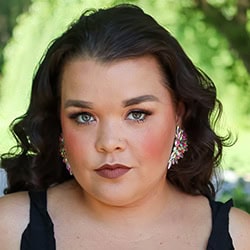
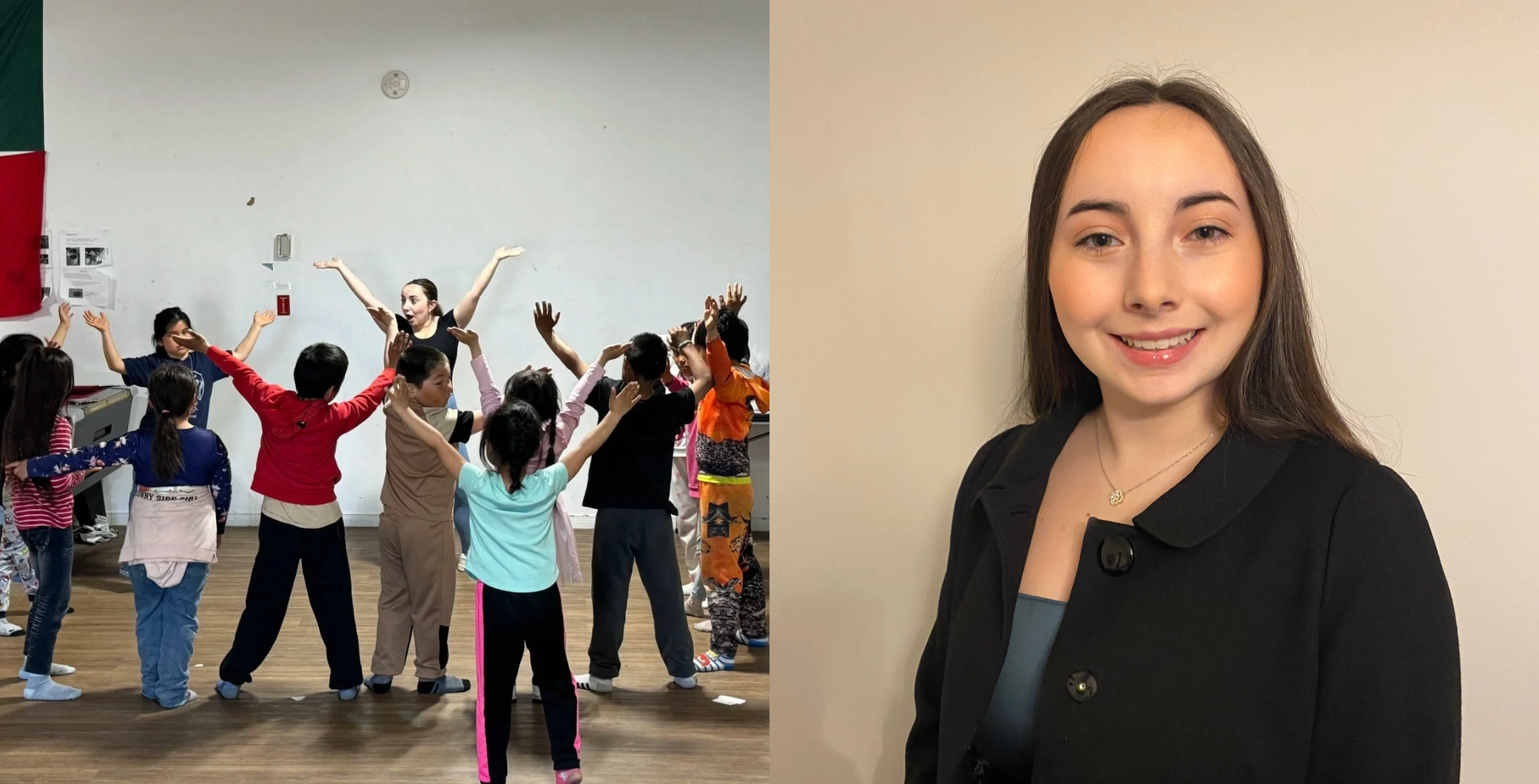
A young woman from Toronto is being honoured for her work bringing dance lessons to communities in Northern Canada.
After learning about the abuse of children at Canada’s Residential Schools when she was just 12 years old, Victoria Greenwood wanted to find a way to make a difference in the lives of Indigenous youth in Canada. At 17, she created the Indigenous Dance Foundation, bringing free dance programming to young people in Nunavut.
Greenwood told Now Toronto that the foundation grew out of her own experience with dance coupled with her desire to create positive change.
“Growing up, dance meant a lot to me,” Greenwood said. “It supported my confidence, health, self-expression, and provided me with mentors who shaped who I am today.”
Wanting to use something she already knew to make an impact, Greenwood reached out to Indigenous communities in Nunavut to develop programming together. Since launching, the foundation has delivered six programs across five Nunavut communities, reaching hundreds of young people. The programs introduce participants to different dance styles and culminate in a performance where children can showcase what they’ve learned to family and friends.
Greenwood said the opportunity to introduce children to dance styles they may never have encountered before is one of the most rewarding parts of the work. She explains that when she arrives in a community and introduces a new style, children involved in the programming, some as young as five, will go from never having heard of ballet or jazz to performing for their families in less than a week, those same children are performing for their families.
“It’s really amazing to me to see them start each day not sure what we’re doing, and then at the end of the week perform for their family in something new,” she told Now Toronto in an interview.
Allyship in Truth and Reconciliation
The programming also creates opportunities for the dance teacher to learn from the communities she works with. Greenwood shared that members of the remote communities she brings her programming to have welcomed her with open arms, sharing their culture with her, and taking her fishing and hunting with them.
She shared that after a week-long program in Arctic Bay, one community member presented Greenwood with a certificate of appreciation, thanking her for travelling north to teach dance to local children.
“You brought brightness and happiness,” the certificate read. “Thank you for all you did for Arctic Bay’s children.”
For Greenwood, that response reinforces the importance of building relationships and developing programming alongside the communities themselves.
While she herself is not Indigenous, Greenwood sees allyship as an opportunity to listen, learn and work collaboratively.
“I think allyship can be a really powerful tool,” she said. “If you approach Indigenous communities with your ears open and ready to listen and see how we can work together, you really can create really great work in programming together.”
That collaborative approach is central to the foundation’s work, which aims to create opportunities for young people while supporting broader efforts toward reconciliation.
But continuing the programming requires significant fundraising. Greenwood said securing grants and donations can be challenging, particularly in Nunavut, where she has found limited infrastructure for youth organizations seeking funding. Despite this, Greenwood explained that she hopes to expand the foundation’s reach while continuing to return to communities where relationships have already been established.
Greenwood pointed to a program in Pangnirtung in 2023 and again in 2025 as an example of what that continuity can make possible. During the second visit, she saw children who had participated in the earlier program take on mentoring roles with younger participants.
“It was really beautiful to see how the younger kids in the program in 2023 became the older kids and helped mentor the younger kids in the 2025 program,” she said.
In the future, Greenwood hopes to send multiple teams north to deliver more programming, depending on available funding and capacity. She also wants the foundation’s work to demonstrate how community-led initiatives can contribute to reconciliation on a broader, national scale.
Indigenous Dance Foundation at the Future is NOW! Awards
The Future is NOW! Awards, a ceremony celebrating young people working to create positive change in their communities, recently recognized Greenwood for her work, honouring her with the Guiding Light Award for Truth and Reconciliation.
The third annual awards recognized 10 young changemakers, each set to receive $1,000, mentorship, coaching and opportunities to expand their social impact. The event also marked Children First Canada’s unveiling of its 2030 Strategic Plan, outlining the organization’s ambitions for Canada’s approximately eight million children.
Greenwood hopes the recognition will encourage other young people to take action in their own communities, even if they are unsure where to begin.
“I hope young people can be inspired by the work I’m doing and do their own reconciliation work in their towns across Canada to make a national impact,” she said.
Her message to other aspiring changemakers is simple: start with what you can do.
“You don’t need to do something massive to create an impact,” Greenwood said. “Helping one person is still helping one person, and just believe in the vision you have for the world. Your actions and voice truly can make a difference.”