Thrift shopping has long been where Toronto shoppers stretch a dollar, but more shoppers are noticing price tags that feel closer to retail than second-hand resale.
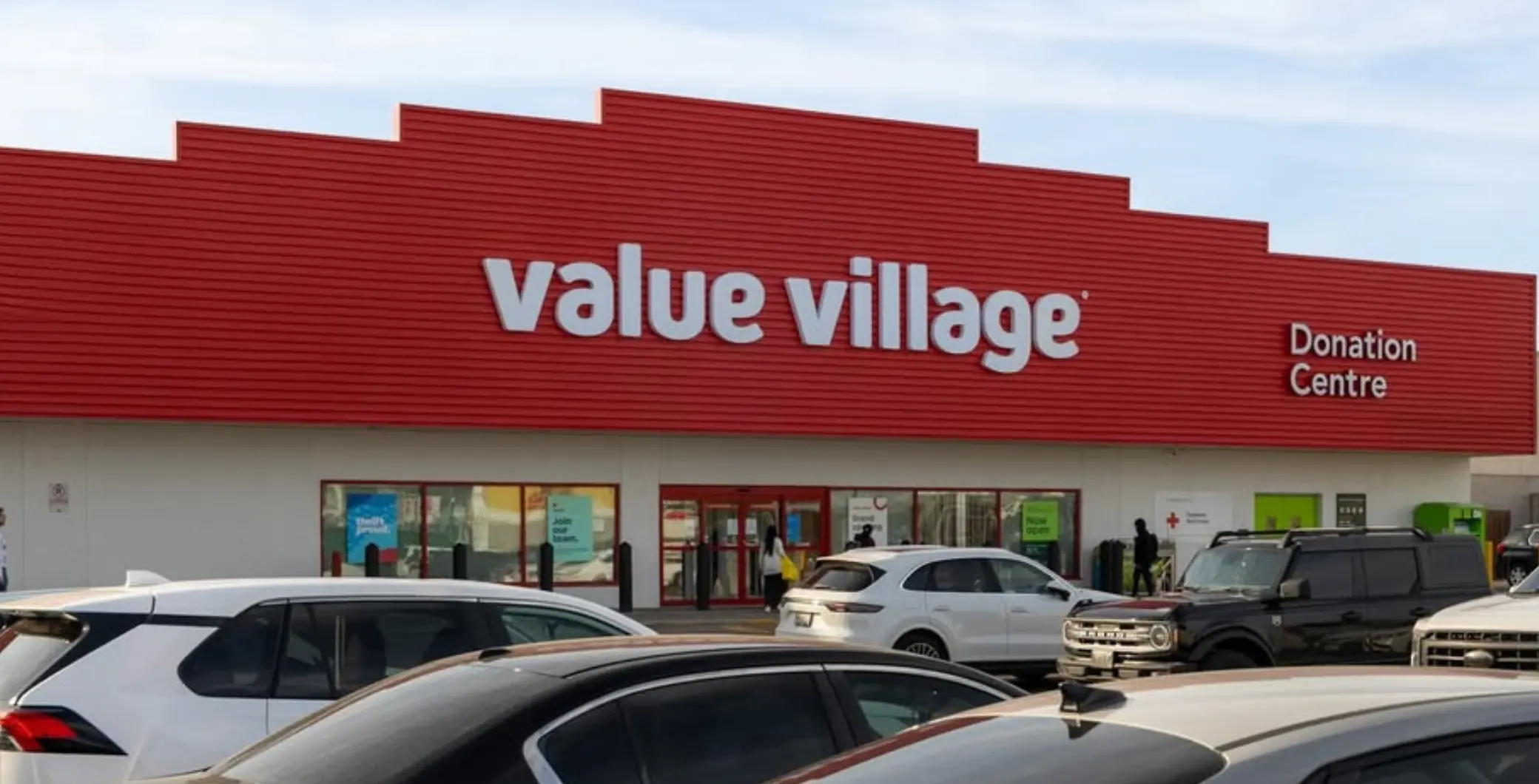
Shoppers recently ignited a heated discussion about for-profit store Value Village online after a photo of a rusty cast-iron pan priced at $29.99 at Value Village sparking hundreds of comments about thrift prices getting too steep.
“That’s why I take any donations to the Salvation Army thrift store,” a user on Reddit said.
“Damn I miss local Goodwill. And the money actually went to good things,” another user commented.
“And everything is donated for FREE!! They jack the prices of everything based on name-brand stuff!! Stop shopping there thinking you’re getting a deal, you’re not!” a user noted.
“This stuff should be heavily discounted to cater to people who need it,” another user said.
In a statement to Now Toronto, Value Village said it aims to keep prices accessible while processing a large volume of goods.
“With an average price of an item around $6.50 (CAD), we work hard to provide great everyday value for our customers. Value Village stores price and merchandise about 34,000 unique items each week, and each piece of merchandise is individually sorted, evaluated, and priced by our team members. With the large volume of items processed, we may sometimes miss the mark,” a spokesperson said.
“We value customer feedback and encourage shoppers to speak with a store manager if they feel an item has been inadvertently mispriced so we can quickly address and correct the issue,” they continued.
WHAT’S DRIVING THE RISE IN COSTS?
Now Toronto spoke to two experts who say a mix of surging demand, higher operating costs, and shifting perceptions of what thrift “should” cost are pushing prices up.
Part of the answer is demand, Canadian retail analyst Bruce Winder told Now Toronto.
“When I was young, thrifting was seen as a bit of an embarrassment. If you were out there and someone found out that you thrifted something, it was a bit shameful. It’s like you must have lost your job, or you must be down in the dumps. That changed fairly quickly. You know, where now it’s a badge of honour to have thrifted items,” he said.
“With that surge in demand, as younger generations, such as Millennials and Gen Z, see thrifting as cool and acceptable — the demand has increased and the price has increased.”
Winder also points to basic costs and processes.
“Taking a garment, cleaning it, sorting it, getting it on a rack—there’s real labour in that. Rents, utilities, payment fees: they’ve all gone up,” he said.
Add trend cycles and reselling, Depop/TikTok hauls, curated vintage, Facebook Marketplace, and certain categories get repriced upward because there’s a line of people willing to pay a bit less than new for something ‘almost new.’
“Prices have went up because people have accepted it, and there’s much more demand now. And even if you can save 20 or 25 per cent off brand new, that’s still a win for you. So, people who are in the resale market will sell as high as they can, as long as there’s a gap between what they would pay brand new and what they’re offering to you, and it also depends on the condition of the item,” Winder explained.
On pricing mechanics, Winder describes a simple rule of thumb: many operators aim to tag items significantly below the new retail equivalent, while protecting a gross margin that has to cover wages and rent.
For buy-sell models like Plato’s Closet, staff study the condition and expected resale value, pay the seller, then build in margin. Donations-based chains face different math.
Another part is from the consumer-culture side, where the quality of what’s donated has shifted, which changes the price mix on the racks.
Markus Giesler, a York University marketing professor and consumer researcher, argues that faster fashion cycles mean more low-quality garments entering thrift streams, while durable, branded pieces are increasingly scarce and therefore pricier.
“Consumer culture has become less sustainable. So, the stuff that ends up in thrift stores is often of a lower quality… Fast fashion has led to low quality items in people’s wardrobes. High quality donations are harder to find… durable branded pieces are increasingly scarce, so that leads to an increase in price,” he told Now Toronto on Friday.
“Then there’s trend cycles where you have certain items that are higher in demand because of some form of social media frenzy.”
Both experts say this isn’t just a Toronto story.
In developed markets, thrifting has become both cool and, for many, economically necessary amid rising living costs. That cultural meaning raises the desire to pay for some shoppers, even as others feel priced out of what used to be the budget option.