
What to know
- Sidhu Moose Wala’s hologram concert sold out Toronto’s Scotiabank Arena on Oct. 9, following the Punjabi rapper’s death in 2022. Other artists featured in hologram performances include Tupac and ABBA.
- Music historian Alan Cross says the technology will continue advancing, but hologram concerts remain a novelty and won’t replace traditional live shows.
- The performances raise ethical concerns about profiting from deceased artists without their consent. Cross says the decision depends on who owns their image, likeness and music rights.
- Torontonians are divided, with some excited to experience legendary artists while others worry holograms could diminish the connection of live music. Cross believes they could become more mainstream in the future.
Hologram performances are bringing late music icons back to the stage, giving fans a chance to experience their favourite artists long after their deaths. As these shows gain traction around the world, they’re raising a question: could hologram concerts become a new way to pay tribute to the artists we’ve lost?
The concept has already made its way to Toronto. Most recently, late Punjabi singer and rapper Sidhu Moose Wala went on a world tour – or rather, his hologram did – selling out his Toronto show at Scotiabank Arena on Oct. 9.
His six-city Signed to God World Tour was created as a global tribute, following Moose Wala’s death in 2022, which left behind millions of mourning fans and loved ones.
Thousands attended the sold-out Toronto show to witness the rapper’s hologram, with their dedication and support unwavering following the artist’s passing.
But holograms aren’t a new form of technology within the live music sphere.
Most notably, the iconic late rapper Tupac was projected at Coachella 2012, during Snoop Dogg’s set.
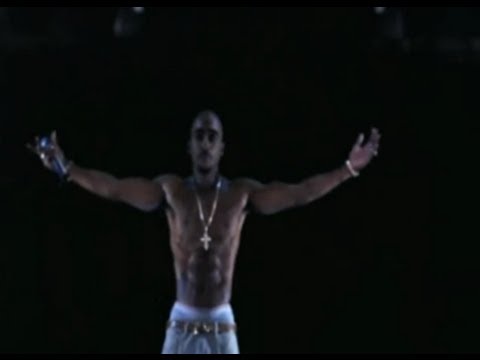
The performance was one that caused a mixed bag of reactions, with many fans online saying they found the tribute emotional and overwhelming.
Fourteen years later, the technology has only become more advanced, with holograms used over the years for artists such as Ronnie James Dio at the Pollstar Awards, Buddy Holly for the Rock ‘N’ Roll Dream Tour, and even ABBA, who have an avatar show in London, which displays digital versions of the group members performing as they looked in the 1970s.
While Tupac was projected using a 2D version of the “Pepper’s Ghost” illusion, which uses a high-quality projector and an invisible piece of specialty Mylar film or glass to pull off, Moose Wala’s hologram used the same illusion but with a 3D projection.
@sandhu.clicks Sidhu moose wala thapi 💪 hologram concert #sidhumoosewala #signtogod #concert #scotiabank #viral ♬ original sound – OG_SANDHU
It’s technology that Alan Cross, music historian and host of the podcast Ongoing History of New Music, said was going to continue to advance.
“When we saw Tupac do this at Coachella [14] years ago, they used a trick… which actually dates back to the late 1800s. Since then, things have gotten a lot better, and they’re only going to get better,” Cross told Now Toronto.
Cross added that the large companies buying the music and rights of late artists will want to continue to make money off of the content.
“…They’re going to need to exploit that to pay for the millions of dollars that they paid for these catalogues, and hologram concerts are definitely on the table,” he explained.
For now, Cross said, while the technology of holograms grows, the idea of a hologram concert is yet to be a trend.
“Hologram concerts are still quite a novelty. They are not mainstream,” he said. “But the deeper we get into this technology, the more people are interested in maybe seeing what this is all about.”
Hologram concerts can also be a way to experience a musical artist or group who may never perform again due to various reasons, including having passed away or grown older over time, according to Cross.
“There’s money to be made here,” he said. “…People are investing in the technology to make it bigger, better, cooler, more spectacular than ever.”
According to multiple UK news platforms, the previously mentioned ABBA Voyage show in London accumulated nearly $4 billion CAD in revenue for the city by 2025, three years after it premiered.
Despite the success of hologram live shows, Cross said he doesn’t think the spectacle would replace traditional concerts as a whole.
“I think this is going to evolve into an experience unto itself because you’re going to be able to do things with holograms that you can’t do in real life,” he explained.
Are hologram performances ethical?
Moose Wala’s concert prices at one point surged to nearly $1,000 for general admission floor tickets.
Cross said the price is determined by what people are willing to pay.
“The market will push prices to where the market will bear, and if people are paying that, then that’s the value of the ticket,” he said.
Additionally, Cross did note that a hologram concert could be seen as unethical due to potential exploitation of the late artist.
“You’re resurrecting somebody to make money, and they aren’t making any money because they’re dead, which is a creepy sort of thing for some people,” he explained.
Cross added that before an artist’s death, some will include strict rules around their likeness within their will, with some barring the use of their image and voice commercially.
Some examples of this include actor Robin Williams, whose will states his name, signature, photograph and likeness were bequeathed to the Windfall Foundation until at least 2039, according to a review of the Robin Williams Trust. Billie Eilish, Nicki Minaj and Stevie Wonder have also signed an open letter in the past against any artificial generation of their likeness.
“It lies with whoever owns the name, likeness, image, and writes to the songs. If they’re willing to do it, then they’re going to go ahead and do it,” Cross explained.
Torontonians react
Hologram concerts can still be quite a controversial topic in the music community, with residents in the Liberty Village area divided, giving Now Toronto a mix of reactions.
One Toronto resident, Christian, said he would consider attending a hologram concert depending on the artist, but it ultimately came down to the cost.
“I think it’s a cool idea. I think art’s kind of always growing and developing, so I don’t have any bad thoughts against it,” he said. “I wouldn’t pay $900… live or hologram, I wouldn’t pay that much to see any artist.”
Another resident named Andrea said she would consider seeing a hologram of an artist she loved, especially if they had passed away, but she also was not willing to spend hundreds of dollars on the experience.
“I would feel like we would lose a lot if that’s what became the norm,” she explained.
Stacie said the appeal of live music is being able to connect with artists in person.
“Holograms or anything like that, I would kind of leave to video or concerts, maybe a documentary or something like that. I can watch at home, but not a live show,” she explained.
Geoff was more open to the idea, suggesting hologram concerts could offer audiences a chance to experience legendary performers they never had the opportunity to see in person.
“One day there will be Elvis, there will be the Beatles, there will be acts that you are never going to see in your own lifetime, and I think there’s probably some cultural value in experiencing that in a group of people and celebrating music and culture that you love,” he said.
As for Cross, he believes a welcomed future for hologram concerts is still possible.
“Attitudes change,” he said.
“It’s very possible that somewhere down the road this is going to become a natural thing, and nobody’s even going to think twice about it.”


