What to know
- Toronto’s Air Quality Health Index reached 10 on Thursday morning as wildfire smoke continued to blanket the city.
- Environment Canada forecasts conditions will improve Thursday night, with the AQHI expected to drop to 6 by Friday morning.
- The improvement may be temporary, with air quality expected to worsen again by Friday night.
- Nearly 200 wildfires remain active across northern Ontario, with persistent northwesterly winds continuing to push smoke south.
After a second consecutive day of hazardous air quality caused by wildfire smoke from northern Ontario, Toronto could see some improvement beginning Thursday night, according to Environment Canada.
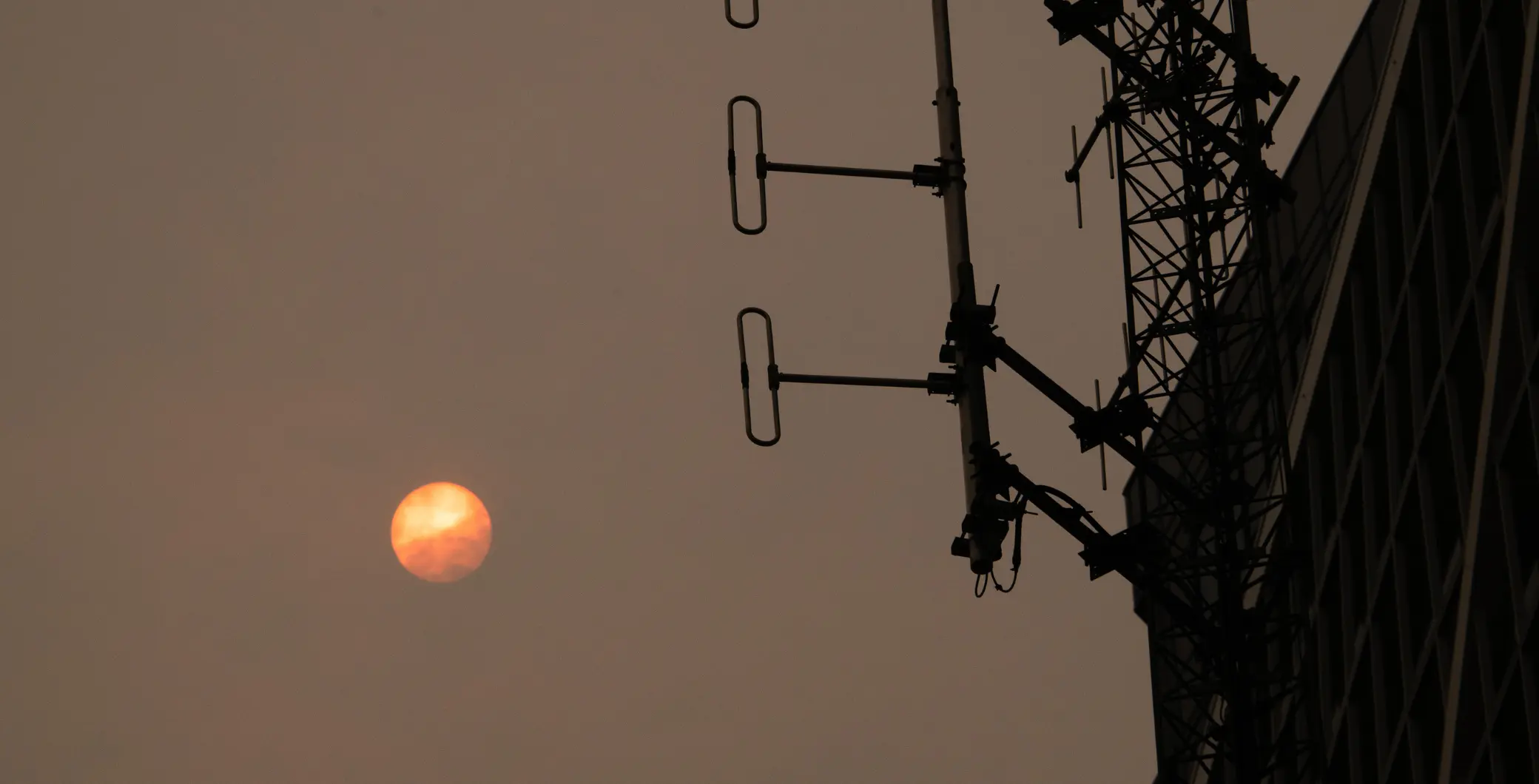
Torontonians woke up Thursday to hazy skies and worsening air quality, with Environment Canada’s Air Quality Health Index (AQHI) reaching 10, the highest risk category.
Air quality expected to improve into Friday
Environment Canada’s forecast suggests conditions will begin to improve Thursday night, with the AQHI expected to fall to around 8. While that still represents a high health risk, it is an improvement from Thursday morning’s conditions.
A more noticeable improvement is forecast for Friday morning, when the AQHI is expected to drop to around 6, placing the region in the moderate-risk category for those spending time outdoors.
An AQHI reading of 10 or higher is considered a very high risk, while a reading between 4 and 6 is considered a moderate risk.
However, the relief may be short-lived. Environment Canada forecasts the AQHI could climb back to around 8 by Friday night as smoke continues to move through the region.
Smoke could linger as wildfires continue burning
How long the smoky conditions will persist remains uncertain.
According to a recent report from The Weather Network, persistent northwesterly winds are expected to continue carrying wildfire smoke into southern Ontario as new fires develop across the province’s north.
As of Thursday, nearly 200 wildfires were burning across northern Ontario, with the majority concentrated in the northwest.
Evacuation orders remain in effect for several communities, while firefighters, helicopters and water bombers continue working to contain the blazes.
Use up and down arrow keys to resize the meta box panel.
Air quality forecasts may continue to change depending on wildfire activity and shifting wind patterns, and residents are encouraged to check the latest air quality updates before spending extended periods outdoors.


