What to know
- Ontario tenants can now install their own window or portable air conditioners under updated Residential Tenancies Act rules.
- A home expert warns that improper installation can disrupt a home’s ventilation system and increase the risk of carbon monoxide entering the home.
- Tenants should notify their landlord in writing before installing an AC unit, as required under the new rules.
- Experts recommend following the manufacturer’s installation instructions, ensuring the unit is compatible with the home, and installing a certified carbon monoxide detector.
- Residents should also regularly test smoke and carbon monoxide alarms and buy certified safety devices from trusted retailers.
With Ontario tenants now allowed to install their own window or portable air conditioning, one expert is sharing tips on how to do it safely to avoid damages and CO contamination.
As heat waves become more frequent in Ontario, the province’s Residential Tenancies Act update that allows renters to install their own ACs could be helpful in ramping up protection against extreme heat.
However, the update comes with a series of rules to allow the installation, including doing it safely and securely and avoiding any damage to the rental unit.
Read More
Now Toronto spoke with Scott McGillivray, a nationally-recognized home expert with experience in property renovation and management to help tenants and homeowners safely install the much needed devices.
What are the risks of installing an AC?
As portable or window air conditioners are not designed to retrofit into most units, according to McGillivray, some homeowners will modify their home to find the path of least resistance to get them installed. However, that can lead to issues.
As explained by him, some appliances in a home are vented in order to exhaust the air and keep dangerous gases outside of the unit, including things like gas stoves, hot heaters, and furnaces. But whenever a new device is installed, this ventilation balance might be disrupted.
“A lot of people will have these units just blowing, sucking air out of the house. So…the house needs to find a way to make up that air, and it’s going to find the path of least resistance, which could be your chimney to your hot water heater or the exhaust line of your furnace,” McGillivray explained.
“So even though your home’s been safe the way it was designed, all of a sudden you could be sucking carbon monoxide into your home unintentionally.”
Exposure to carbon monoxide (also known as CO) is extremely dangerous to people’s health, as breathing it reduces the body’s ability to carry oxygen into the blood, which can lead to monoxide poisoning and even death, according to the Government of Canada.
Symptoms of monoxide poisoning include tiredness, headaches, shortness of breath, muscle weakness, dizziness, chest pains, and difficulty thinking. In extreme cases, it can lead to convulsions, loss of consciousness, and death.
According to McGillivray, one of the most dangerous aspects of exposure is that it is extremely difficult to detect because carbon monoxide does not have a specific smell, sound, colour or taste, and can only be detected through a CO alarm.
Tips to avoid CO exposure through air conditioning
Whether you are looking to install a window AC in your rental unit or take a portable AC to your cottage, McGillivray shared tips that can be useful in avoiding CO exposure.
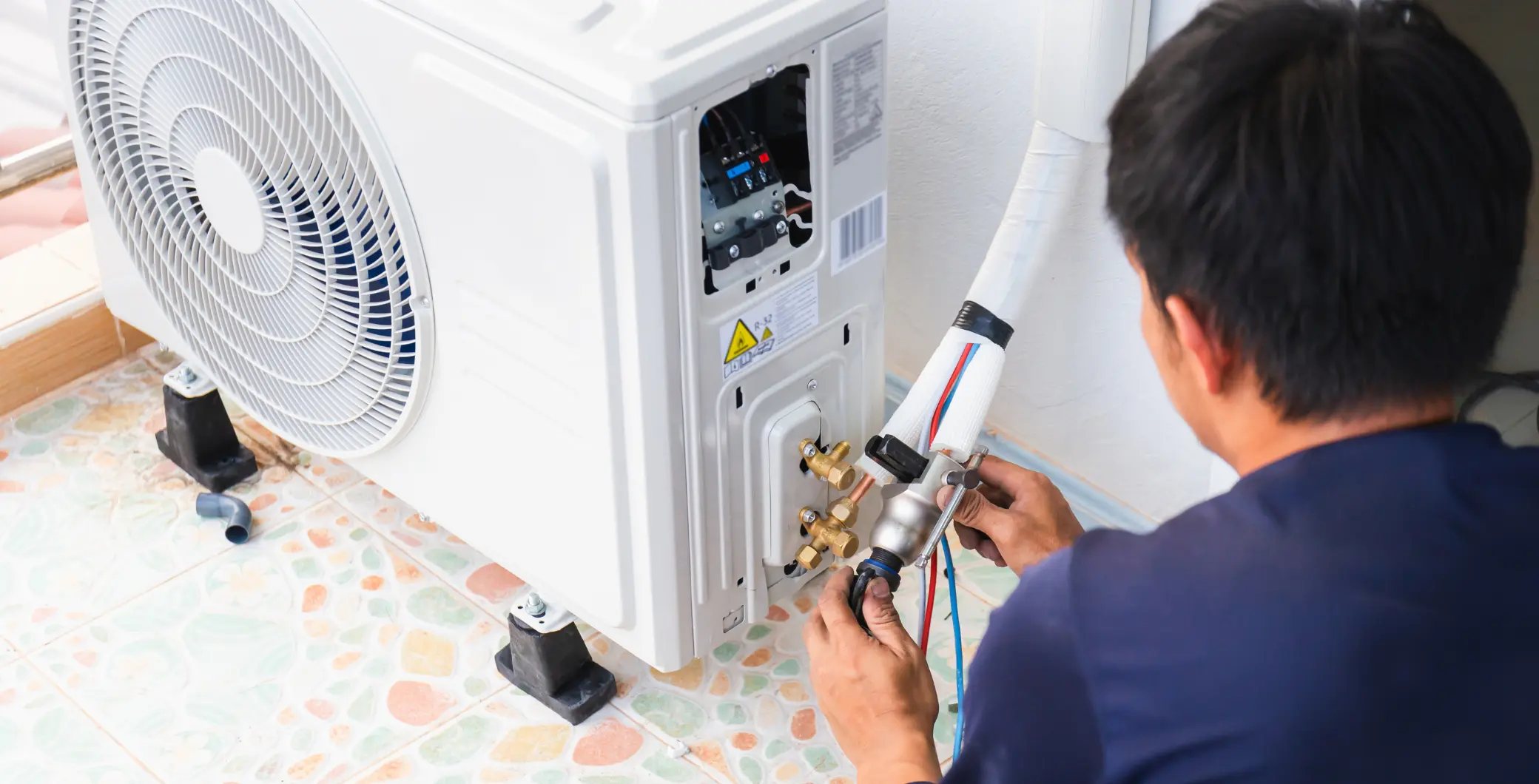
Firstly, the expert says it is important to strictly follow the air conditioner manufacturer’s recommendations when installing, or otherwise hire a certified professional to help with the installation.
Homeowners should also double check the other systems in their homes, including appliances and HVAC systems, to ensure the device is compatible.
Meanwhile, tenants should properly inform their landlord about the installation, so that they can confirm whether the device is compatible.
Informing the landlord about the installation is a mandatory requirement for tenants, as established in the newly-launched Residential Tenancies Act rule. This notification must be done in writing before the installation and include any available information about the equipment and its energy efficiency.
But McGillivray’s biggest tip would be to install a carbon monoxide detector, which can alert residents right away to CO in the home.
“If you start running your AC and your carbon monoxide detector goes off, you know that you’ve created a problem. That’s the best way to help you get an early warning,” he said.
“Then you need to get out of the house right away. You need to call someone and make sure that they come and fix the problem you’ve created, which means either getting a dual-hose portable unit…or maybe having the HVAC system upgraded.”
Residents should ensure their CO detectors are certified
Earlier this year, Health Canada recalled smoke detectors sold on Amazon as they were found to be a risk of failing during a fire, raising awareness of the importance of the proper testing of safety devices.
Read More
According to McGillivray, renters should also be careful when buying certain kinds of products, including smoke alarms, fire extinguishers, or CO detectors, especially when buying through digital platforms.
“Buying some of these things online, there’s no verification or vetting, so you could be getting things that may not work in our climate, things that may not meet the minimum codes of our homes,” he said.
“Sometimes people go with sort of no name versions of these things. You don’t want to cut corners when it comes to your safety… Make sure you’re buying it from a proper retailer or from the manufacturer directly.”
When purchasing these devices, the expert warns residents to research the product and verify if it is properly certified before installing it.
In order to make sure residents stay safe, McGillivray said it’s also important to regularly test alarms, and note their expiration dates.
“Testing your alarms is simple. You push the button, it makes the beep, or it talks to you…A lot of these units have got about a 10-year lifespan, because the building codes change, or the technology in our homes changes, and so these alarms need to,” he said.