What to know
- Megan Falley is continuing her late spouse Andrea Gibson’s legacy through a multimedia poetry tour featuring film, live music and orchestral accompaniment.
- The tour brings Gibson’s poetry to life for audiences who never had the opportunity to see the celebrated Queer poet perform before their death in 2025.
- Falley says grief has left her feeling “doubled” rather than halved, inspiring new creative work and a deeper sense of connection with Gibson.
- Falley continues Gibson’s Things That Don’t Suck Substack, which reaches more than 200,000 readers, sharing reflections on love, loss and finding meaning in life.
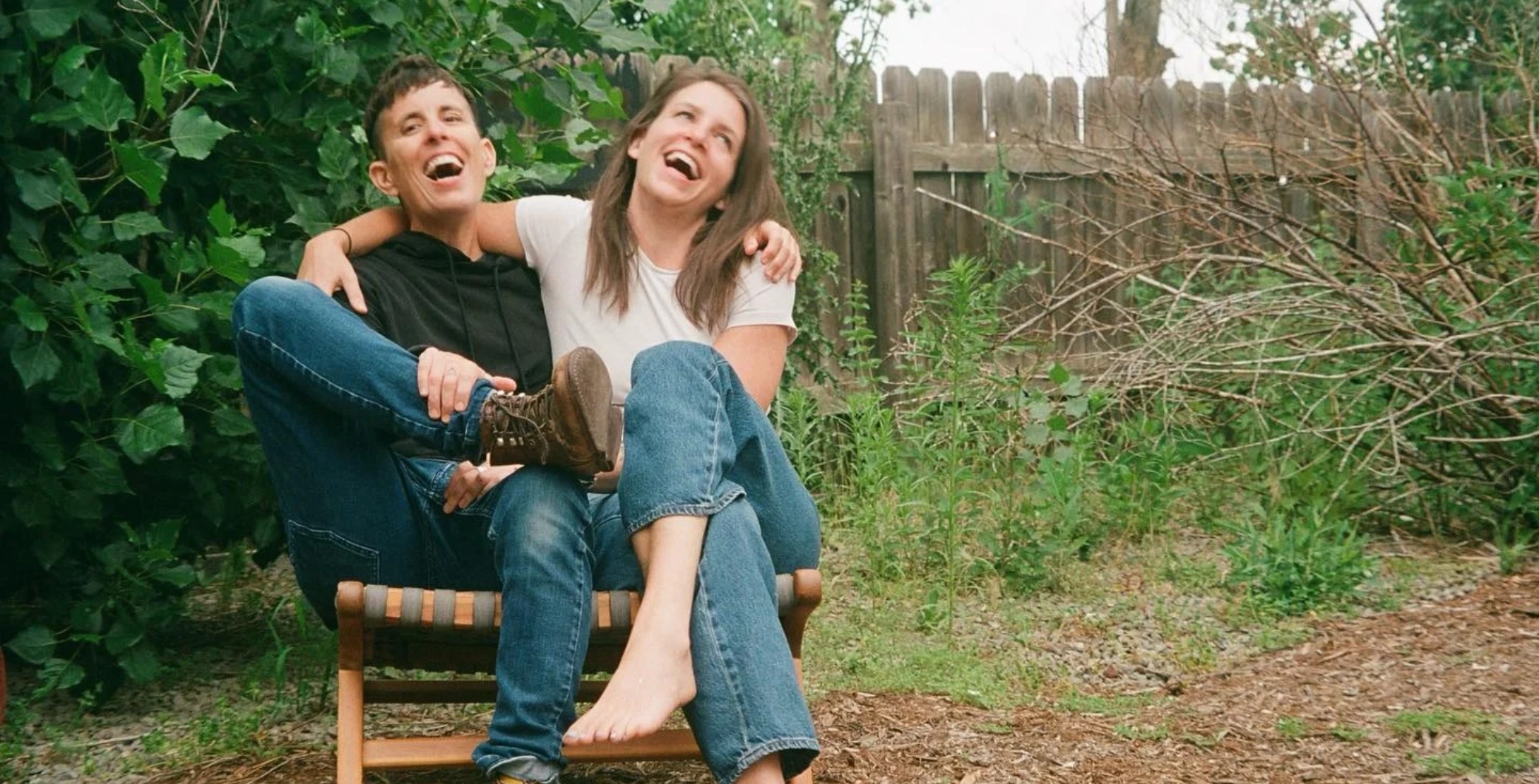
Through a multimedia poetry tour coming to Toronto, the documentary Come See Me in the Good Light and the Substack Things That Don’t Suck, poet Megan Falley is carrying forward her late partner’s legacy of love, connection and Queer community.
Falley tells Queer & Now that grief has not been the end of her love story with the late poet Andrea Gibson. Instead, it has opened up new ways of feeling connected to the person she spent years loving.
“I thought that I would be halved by this loss, and instead I feel doubled by this loss,” Falley said in an interview.
“I feel like I get to carry Andrea inside of me. I feel like I get to live for both of us.”
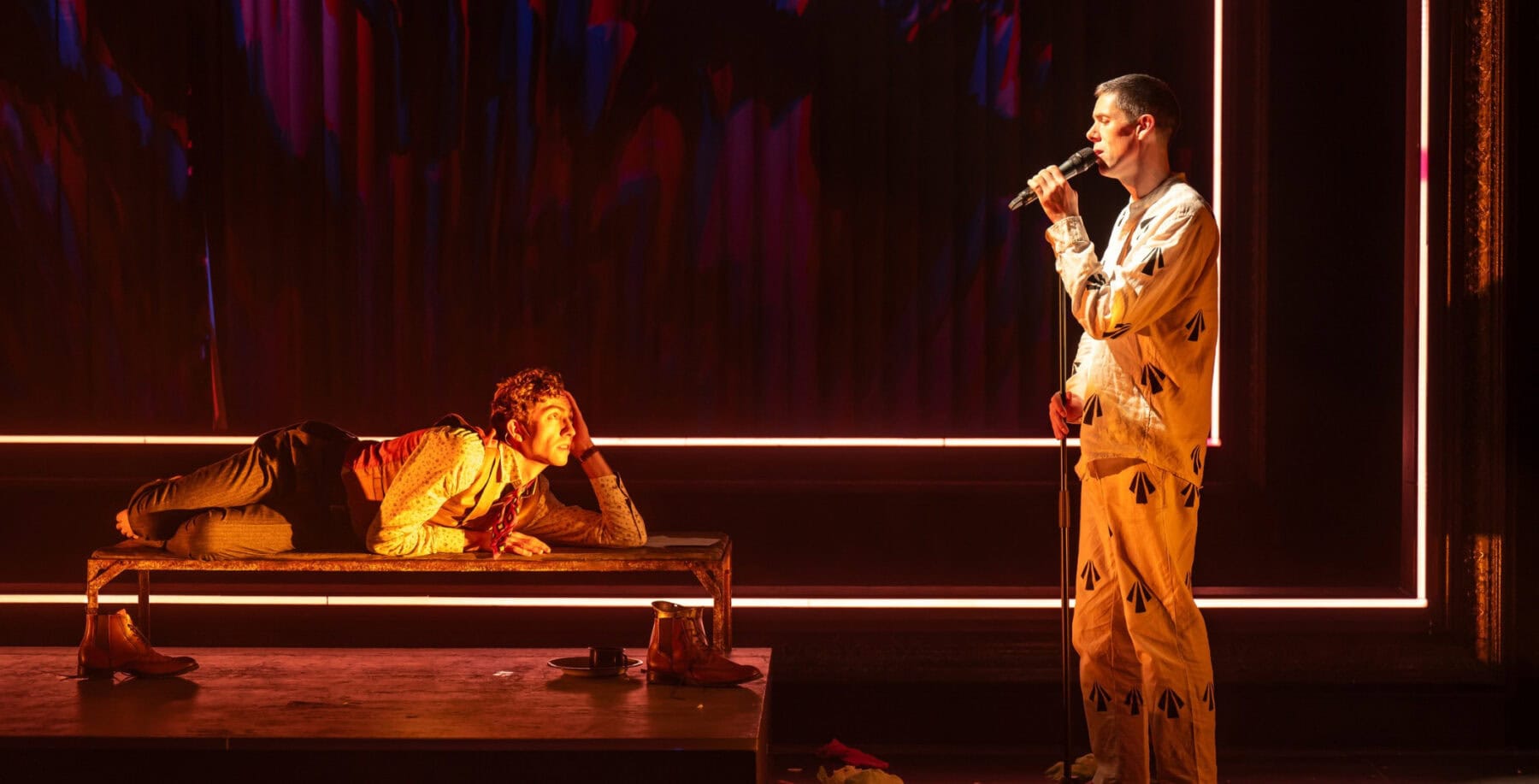
Falley, who is a poet, writer and performer in her own right, is finding ways to carry that love forward through Andrea Gibson: Love Letter from the Afterlife, a multimedia tour celebrating the work of one of the most beloved voices in contemporary poetry.
Following its sold-out world premiere at Colorado’s Red Rocks Amphitheatre in July 2026, the production brings together Gibson’s poetry, film, live music, orchestral accompaniment and intimate storytelling. Falley threads the performances together, sharing stories about their relationship, creative collaboration and the moments that connected Gibson with the artists joining the tour.
For Falley, the production is more than a tribute to her late partner. It is an opportunity to bring audiences closer to an artist whose work helped people navigate their identities, relationships and experiences of being members of the 2SLGBTQIA+ community.
“It’s really hard to witness Andrea’s work and be unchanged or unmoved,” she says, sharing that she was inspired to create the show not only by her love for Gibson and their work, but by the intense grief she felt for those who had never had the opportunity to see Gibson perform live before they died in 2025.
A love story rooted in poetry
Now two household names in Queer literature, Falley and Gibson first met when they were slightly less well known, frequently seeing each other through poetry events. Published by the same press, they would often run into each other at performances, writing retreats and poetry events, remaining friends for years before their relationship turned romantic.
That changed in 2014, when the pair found themselves on a dance floor at the National Poetry Slam in Oakland, California. Falley explains that she was surprised when Gibson made a flirty pass at her, becoming even more shocked to learn from a mutual friend that the poet had harboured a crush on her for years.
Reflecting on the development, Falley points to their 13-year age difference as a reason that she had not considered the possibility of a romance.
She also thought of Gibson, who is known for works such as Lord of the Butterflies (2018) and You Better Be Lighting (2021) as “the Gay James Dean.” But the unexpected flirtation changed things.
“It was curtains from there,” she says.
Their relationship developed from something more professional into both a romantic and creative partnership, one that audiences can glimpse in their co-authored book How Poetry Can Change Your Heart, or in Come See Me in the Good Light, the Academy Award-nominated, Peabody Award-winning documentary chronicling their relationship and the final year of Gibson’s life.
The film captures their intimacy as they navigate Gibson’s illness, offering audiences a window into the relationship behind the poetry they both are well-known for. But Falley says the documentary also led to another project: preserving a full recording of one of Gibson’s performances.
Although footage of Gibson’s final show at Denver’s Paramount Theatre appears in the documentary, only a portion of the performance made it into the film. The production team had captured the show using seven cameras, creating a recording that could stand on its own. That footage became the foundation for Love Letter from the Afterlife, the new North American tour kicking off in Minnesota next month.
Falley says Gibson’s live performances were unlike anything else, blending poetry, humour, music and a sense of community that extended beyond the stage.
“You just have people crying and people laughing and people making friends with strangers,” she says. “It’s this mix of concert, poems and Gay church, and community.”
Read More
After Gibson’s death, the opportunity to share that performance took on new meaning. Falley began imagining what it might look like to pair Gibson’s work with a live orchestra, drawing inspiration from cinematic experiences in which orchestras perform alongside films. The result premiered at Red Rocks, over the summer, with Gibson’s recorded performance accompanied by the Colorado Symphony and a 50-piece orchestra.
As she watched the production come together, Falley felt the distance between the audience and Gibson begin to collapse.
“There’s something about the live component with the music and that feeling of Andrea in the room that [makes] this as good as seeing Andrea live,” she says. “They feel very, very, very alive in it.”
Keeping Queer connection, and Andrea Gibson’s work, alive
Gibson, who identified as a Queer and used they/them pronouns, wrote poetry that spoke to people searching for the language to understand themselves, their relationships with others, and their place in the world. Falley has witnessed the impact of work firsthand, and even in their death, she regularly meets people who describe her spouse’s work as something that changed or saved their lives, helped them come out or gave them a way to connect with family members.
She also watched the audience grow as Gibson wrote about their illness and the ways their experiences changed their understanding of life.
For Falley, continuing to share that work is a responsibility she takes seriously.
“I feel like a steward over [it],” she says. “I think I do it now both for Andrea and for myself to stay connected to Andrea, but also for the world. I believe in it. I believe in it right now. I believe in it always.”
That commitment extends beyond the stage.
Gibson, who passed away on July 14, 2025, after a four-year battle with ovarian cancer, penned the popular Things That Don’t Suck, Substack publication while living with their diagnosis. Through the publication, Gibson explored their circumstances by looking for what remained meaningful and good in life.
Falley has since begun writing the Substack and sharing it with her partner’s subscribers, carrying that approach forward while navigating widowhood.
“I’ve continued that Substack living as somebody widowed at 36 through the lens of what doesn’t suck,” she says.
The publication now reaches more than 200,000 readers, offering another way for Gibson’s ideas and Falley’s own reflections to reach people who might need them.
Together, the Substack, documentary and tour create different ways for audiences to encounter Gibson’s work. They also demonstrate how art can preserve a connection that continues to evolve after someone dies.
Making room for a little more magic
Since Gibson’s death, Falley says her own writing has shifted. Where her work once focused primarily on the body, feminism, Queerness and interpersonal relationships, she now finds herself drawn to magic, connection, mortality and the ways grief can change a person.
She describes grief as a kind of “rocket engine,” one that has propelled her into new creative territory even as she continues to experience profound loss.
The shift has also changed how she thinks about the boundaries between life and death, with the writer explaining that she has experienced moments when she felt Gibson was still flirting with her from the afterlife. Through writing, music and dance, she has found ways to respond to that feeling to continue participating in a relationship that has changed but remains meaningful to her.
It is an idea that runs through the tour and the poem that inspired its title.
In Love Letter from the Afterlife, Gibson writes about a presence that persists beyond physical absence, imagining a closeness that makes the possibility of losing someone feel different.
“My love, I was so wrong. Dying is the opposite of leaving. When I left my body, I did not go away. That portal of light was not a portal to elsewhere, but a portal to here,” the poem reads.
“I am more here than I ever was before. I am more with you than I ever could have imagined. So close you look past me when wondering where I am. It’s Ok. I know that to be human is to be farsighted,” it continues.
“But feel me now, walking the chambers of your heart, pressing my palms to the soft walls of your living. Why did no one tell us that to die is to be reincarnated in those we love while they are still alive?”
Read More
Falley hopes the production might open audiences up to similar possibilities, particularly those who understand death as the definitive end of a person’s presence.
“I do hope that people who feel maybe certain of death as an ending of loss of a person’s physical body as loss of that person — that I pull even the tiniest thread there,” she says. “I’m not saying that they have to fully unravel, but that something is loosened.”
Ultimately, Falley hopes audiences leave with a renewed appreciation for love, connection and the time they have with the people around them.
She recalls how Gibson wanted to share what they learned through their diagnosis: that even in difficult circumstances, it is possible to live with love, gratitude and presence. For Falley, bringing Gibson’s work to the stage is one way of continuing that invitation.
“I just want to invite a little bit more magic to everyone’s life,” she says.
And for those who never had the opportunity to see Gibson perform in person, the tour offers a chance to experience the poetry as something more than words on a page or a screen: a shared encounter with an artist whose work continues to bring people together.
As Falley puts it, she once expected loss to leave her with less of herself. Instead, she is learning how to carry their love into the life she continues to build.