What to know
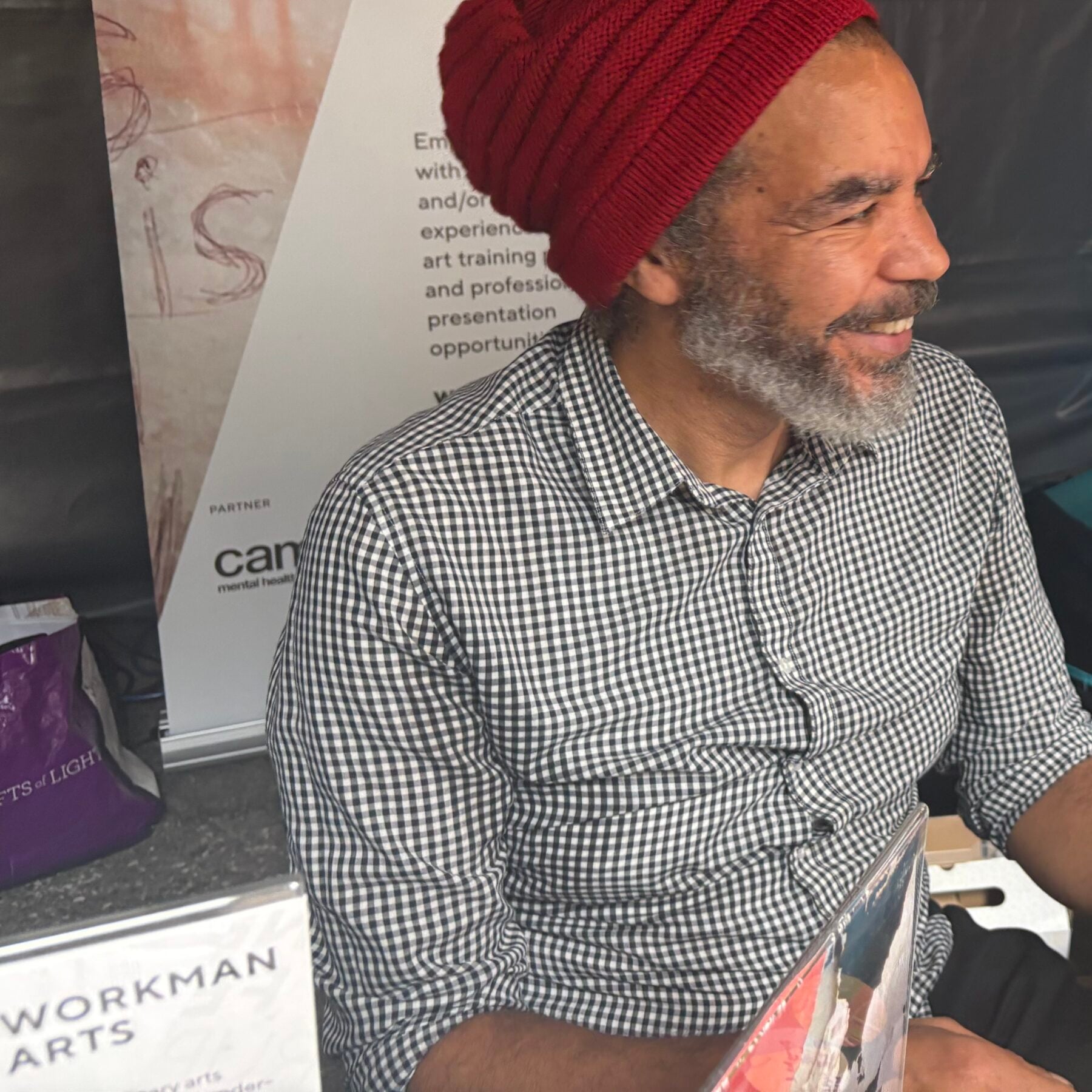
- Buddies in Bad Times Theatre’s ted witzel argues that Queer art has always served as a form of cultural language, helping 2SLGBTQ+ communities connect and understand themselves.
- The artistic director says many arts organizations are responding to financial pressures by programming safer, more commercially friendly work.
- He believes the greatest risk for Queer artists right now is softening their work to appeal to mainstream audiences.
- witzel is encouraging creators to embrace experimentation, authenticity and ambitious artistic expression in the face of growing political hostility.
There’s a time and place for everything, and Toronto creative ted witzel says the time for authentic Queer art is now.
Every Pride Month, there is a familiar conversation about visibility. Companies roll out rainbow logos, politicians issue supportive statements, and cultural institutions celebrate the contributions of 2SLGBTQIA+ communities.
But this year, as anti-Queer rhetoric continues to gain traction and transgender rights face renewed political attacks across North America, another question feels more urgent: what is the role of Queer art in times like these?
Read More
Queer art as a cultural language
Buddies in Bad Times Theatre is the premier venue in The Village for all things performing arts. Founded in 1979, Buddies started as a nomadic theatre company performing shows throughout the city for over a decade before landing at its current home, 12 Alexander St., in 1994. Now the largest and longest-running 2SLGBTQ+ theatre company in Canada, they platform performances focused on Queer stories and realities.
While art is a source of entertainment for many, it’s also a form of resistance. This is something Buddies’ artistic director ted witzel says is becoming more relevant in the current political climate.
“There’s something about Queerness that is always inherently performative,” witzel told Queer & Now.
Drawing on the history of Queer communities, he pointed to the ways 2SLGBTQ+ communities developed a cultural language through signs, signals, vocabulary, metaphors, and behavioural patterns to identify one another in conditions where it wasn’t safe to live openly. Think bouquets of violets or thumb rings as a signal of sapphic identity.
Read More
Because of this, 2SLGBTQ+ art is more than entertainment; it’s something that has always been part of our cultural language. Whether it’s a theatre performance, a concert or a crowded dance floor at 4 a.m., Queer art creates opportunities for collective experiences that help people understand themselves and one another.
“We build our shorthands out of our cultural references,” he said. “Encounters with Queer art are generating Queer culture, are generating the future of Queer culture, and are also reflecting on the past of Queer culture.”
That perspective feels especially relevant right now. As Toronto’s arts sector continues to grapple with post-pandemic issues like financial pressures and shrinking audiences, witzel says that many organizations have responded by pursuing safer bets, with programming that is more commercially friendly and unlikely to offend or alienate audiences.
The biggest risk? Playing it safe
While he understands the approach, he says that it’s the wrong course of action for 2SLGBTQ+ artists.
“In a Queer space like this, and with the relationship that people have to this organization, the biggest risk that we could take would be to play it safe,” he explained.
It’s a striking statement at a time when many artists across all genres and mediums feel pressure to make their work more palatable. But witzel has a message for 2SLGBTQ+ artists: now is the time to dig your heels in.
“This is not the time to blunt those sharp edges,” he said. “The expectation externally is going to be for us to code-switch our way into oblivion, and this is not the time to do that.”
Instead, he hopes Queer artists embrace experimentation, discomfort and ambition.
“Now is the time to be ferociously taking risks, to be fiercely asserting what it is to be weird and edgy and Queer as f**k.”
It’s a message that extends beyond theatre. Across the country, Queer communities are confronting rising hostility, and in that environment, there can be a temptation to become quieter, less visible or less provocative. In her 1984 book Sister Outsider, Audre Lorde wrote, “My silences had not protected me. Your silence will not protect you.” Fast-forward 42 years, and witzel has a similar message: retreat won’t protect us.
“The only things that will show us through this time are the things that dare to be visionary,” he explained.
While that doesn’t mean every piece of Queer art needs to be overtly political, it does suggest that authenticity and living your truth can be a political act. The work that resonates most deeply, Witzel says, is the work that introduces audiences to something they haven’t seen before and offers “an invitation to understand myself and the world differently.”