RATING: ⭐️⭐️⭐️⭐️/5
This review contains spoilers for the short film, Butterfly on a Wheel.
In Trevor Morris’s short film Butterfly on a Wheel, the tangled realities of mental illness and the search for authenticity unfold against a backdrop the director calls both a love letter to Toronto and a meditation on finding one’s true voice.
Spanning just under 36 minutes, the film unveils the protagonist, Jacen Davis’ struggles with OCD and anxiety, revealing vulnerability with a resonance that is both personal and universal. It did a great job displaying the complexities of what it means to carry the disorders’ struggles, a burden that can feel too heavy to bear.
From the opening scenes, the film illustrates Davis’ daily reality: the repeated tapping of his feet, the whispered count of “1, 2,” the taking of the multiple medications and the identical blue shirt hanging in his closet, a glimpse into how OCD can manifest.
Everything Davis does is a reflection of what he goes through and what ripples through his brain.
Then, we’re introduced to Davis’ brother, Dylan, who encourages Davis, who is a gifted musician, to play his music in front of the masses. To step out of his comfort zone and to share his talents.
Dylan is a character in the film who continues to push Davis through the trials and tribulations, and ultimately, lead him to reflect and see life for what it can truly be, despite life’s anxieties.
The film’s cinematic impact resonates most with those who know and love Toronto, showcasing the city’s charm through subway sequences and the grandeur of Koerner Hall, where Davis imagines his music captivating an audience, even as he continues to play only for himself.
The sound of Davis’s piano fills the school’s corridors, catching the ear of Sorrel, a classmate at the Royal Conservatory. Though their encounter is tinged with awkwardness, it underscores a deeper truth, that others glimpse in Davis the brilliance he cannot yet recognize within himself.
In the moments in between, Davis experiences flashbacks of him as a kid performing, and playing piano with his grandmother, showcasing that his fear of performing is deeply rooted in a childhood memory that seems so close, yet so far, to what he is experiencing.
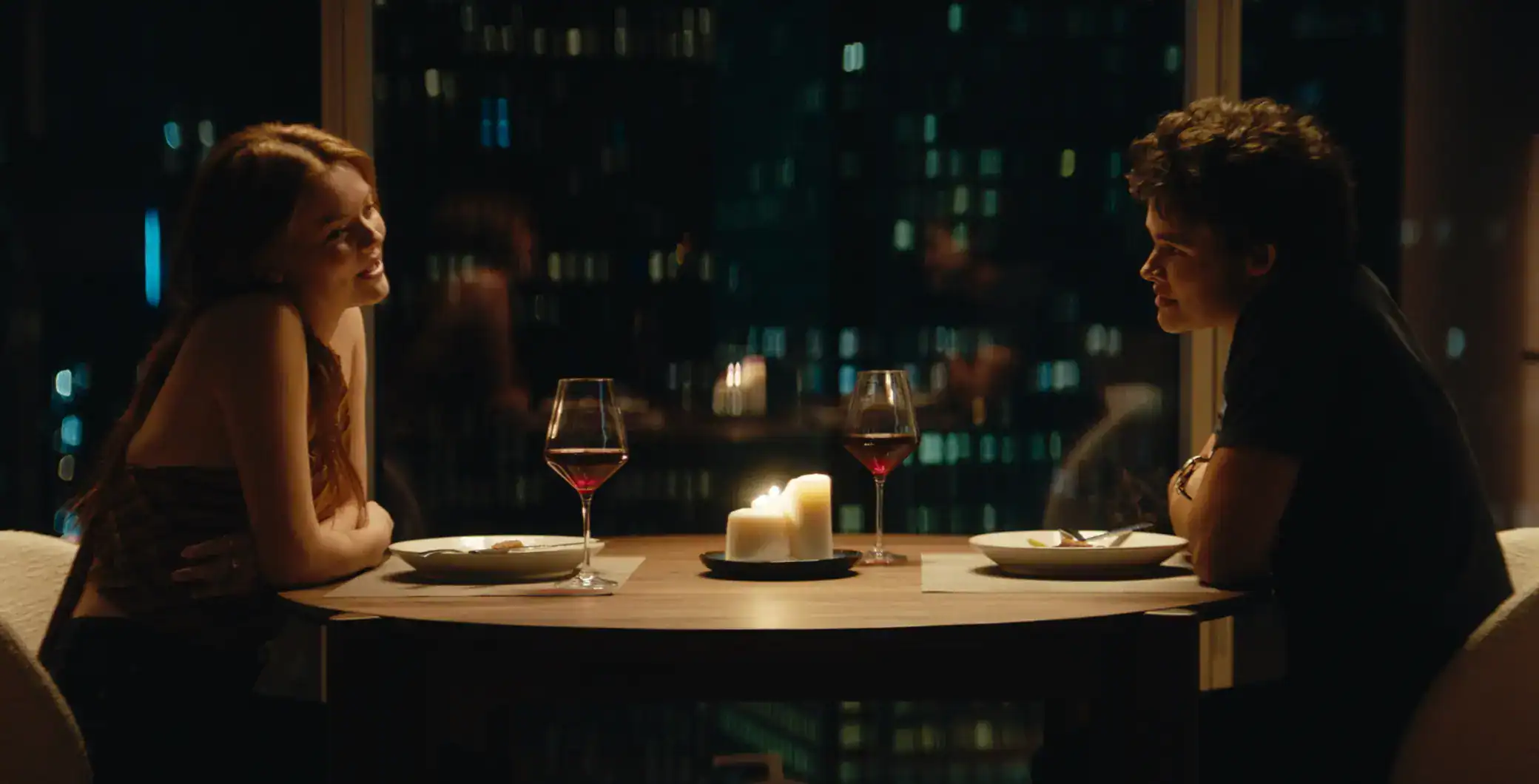
Meanwhile, the scene switches over to Sorrel and Davis’ dinner date. Where their interactions in the film tell a story of what can be seen at eye-level, doesn’t necessarily equate to what is truly happening inside someone’s mind.
The scene escalates when Sorrel asks Davis why he doesn’t play for other people, and Davis starts to visibly look anxious, with the same flashbacks pulsing through his brain, his hands start to tighten and he starts to sweat uncontrollably,the flashback shows kids laughing at him before he plays.
The tension peaks when Davis shouts, “NOTHING IS WRONG WITH ME!” after Sorrel gently asks if he’s okay. Startled and unsure, Sorrel apologizes and walks out. The moment is deeply moving, illustrating how easily a trigger can unsettle someone who is vulnerable, an experience often difficult to understand, yet even harder to endure.
Then, Davis and Dylan share a moment of brotherhood, where they talk about what Davis struggles with. In it, Davis says, “I wish I was a dumb jock,” kind of alluding that his emotions get the best of him and he hopes to feel less. I can relate to this, maybe not wanting to be a jock, but yearning for emotions to subside and to feel emotions at a lower scale.
He decides to go away and be in nature to reflect, and leave what he knows for a bit,the scene contrasts with the bustling energy of the city to a rural area, with a simple tent, and his notebook, where he reflects on who his true self is, and where it lies.
“I think it’s about time for me,” Davis said, where it shows him back to his apartment,getting ready for his performance, where he speaks to Dylan, and they share words about the challenges Davis faces, and Dylan says, “the challenges make you, you and you are amazing.”
“The world is a better place with you in it,” Dylan affirms. “I’m proud of you, I’m really proud of you.”
This scene was extremely touching because it showcases the power of one person and how they can be a source of support and love, and that can be the lifeline of someone struggling. And why they choose to keep going.
The film wraps up with Davis playing piano alongside the school band, and his skills radiate through the screen, impressing the audience watching, and me included. He plays the piano with so much emotion, and an ease that is not easy to replicate.
Sorrel shows up in the audience, and they share an emotional exchange where Sorrel is seen tearing up, showing how proud she is to see Davis finally shine through with what he loves doing, music.
“What makes you different is your superpower. We’re all caught in the dances of shadow and light, like a butterfly on a wheel,” the screen displays, before the credits roll.
This film showcases that deep struggle can lead to an even deeper triumph, and how overcoming fears and leaning into your authentic self can ultimately bring you to freedom.
Where you’re free from the shackles of the mind, and free of any trauma or judgment you may have felt in the past.
The film reflects the reality of countless people who struggle in silence, reminding us that there is a quiet beauty in simply surviving each day, especially when, like Davis, you’re navigating the relentless waves of OCD and anxiety, disorders that can consume the mind.
I deeply resonated with this short film, and truly wished it were longer with a deeper storyline. But, I appreciate the film for what it is, and applaud Director Trevor Morris for shining light on mental health and overcoming our minds, by learning about our worth, and really, really using our voice.


