What to know
- Toronto collects real Christmas trees on regular garbage days throughout January, with additional drop-off and yard waste options available later in the year.
- Trees must be free of decorations, placed beside—not inside—bins, and left accessible for pickup.
- Once collected, trees are processed as yard waste and turned into compost, helping divert about 85,000 tonnes of organic material from landfills each year.
The new year is already here, and it’s time to let go of 2025, starting with your Christmas tree. For Torontonians who opted for a real tree last year, here’s what you need to know about properly disposing of your festive plant.
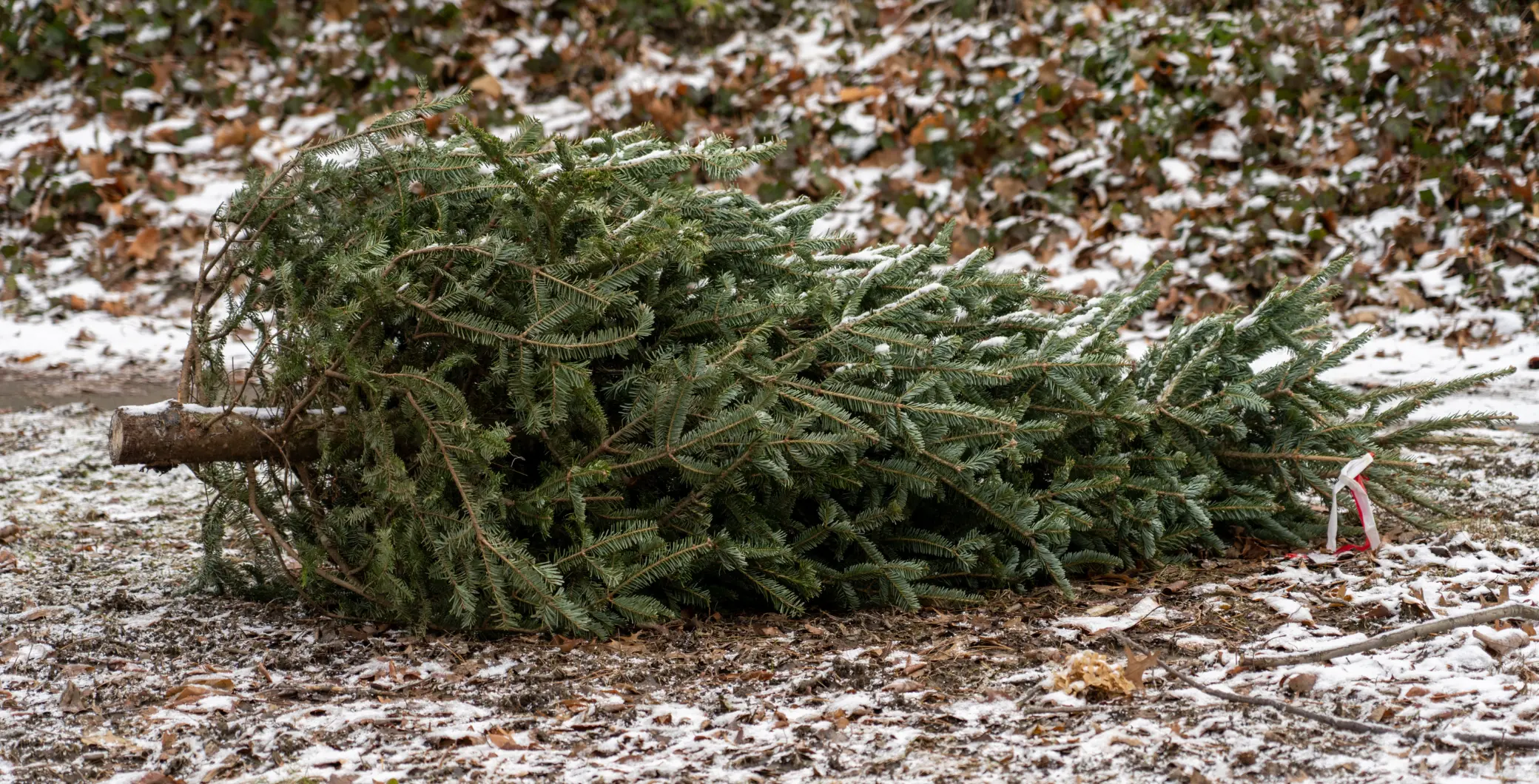
With the festivities now over, the City of Toronto is working to pick up discarded Christmas trees during regular garbage collection throughout the month of January.
Trees that are not collected in January can be later picked up during yard waste collection days, which usually resume from mid-March to mid-December, depending on residents’ local schedules.
According to the city, to get their trees picked up, residents should:
- Remove all decorations, including lights, tree stands, skirts, tinsel, etc.;
- Place the tree beside the garbage bin, not inside it;
- Make sure the tree is standing alone, and not inside a bin or a bag;
- Ensure the tree is accessible for pickup and free of snow or ice.
Residents are also welcome to take their trees to a designated drop-off depot, where they can be discarded all year long. Unlike branches, Christmas trees don’t need to be cut down to a certain length and can be collected in full size.
Those who live in multi-residential buildings, such as condos or apartment buildings, need to check in with their property managers for instructions on how to dispose of the trees.
WHAT HAPPENS AFTER TREES ARE COLLECTED?
The holiday seasons come and go, but have you ever wondered what happens to your favourite merry décor piece after it leaves your curb?
A city spokesperson tells Now Toronto that Christmas trees are composted after they are collected as part of Toronto’s yard waste program.
Every year, this conversion saves approximately 85,000 tonnes of yard waste from ending up in the landfill, according to the spokesperson.
During this process, the city sends collected yard waste to third–party contractors, who carry out windrow processing practices that produce compost, which is later sent to laboratories that ensure the material meets all Ontario Compost Quality Standards.
After that, the compost is suitable for residential use, and your favourite festive decor becomes useful again even after Christmas.