What to know
- Olivia Chow said riders will travel for free after paying for 10 TTC trips in one week if she is re-elected.
- The proposed cap would begin sometime in 2027, with Chow also promising to freeze fares for a fourth consecutive year.
- Several riders told Now Toronto the plan could make transit more affordable and encourage people to use the TTC more often.
- Other riders questioned how the program would be funded and argued that governments should invest more broadly in public transit.
Toronto commuters could get a break on evening and weekend travel costs under a new campaign promise from Olivia Chow.
Chow says that, if re-elected, she will introduce a weekly TTC fare cap allowing riders to travel for free after paying for 10 trips in the same week. The change would take effect sometime in 2027.
“If I am re-elected, after you take 10 TTC trips in a week every ride for the rest of that week will be free,” Chow told reporters during a campaign stop on Friday.
“If you take the TTC to work five days a week that means your evening and weekend trips are free. You can take your kids to the library, get your groceries, get to a medical appointment for free or go shopping, see your friends and go to a Jays game for free.”
The proposal was Chow’s first major policy announcement since officially launching her re-election campaign on Wednesday. She also pledged to freeze TTC fares for a fourth straight year in 2027.
Read More
How would the weekly cap work?
Under Chow’s plan, after riders reach the 10-trip cap, they would get free trips for the remaining days of the week.
The promise would build on the TTC’s new monthly fare-capping program, which launched on Sept. 1. Under this program, riders who pay for 47 trips in one calendar month using the same PRESTO card, debit card, credit card or mobile wallet can ride free for the rest of that month.
Read More
Under Chow’s new proposal, riders would not need to purchase a pass or make a large payment upfront. According to her campaign, the cap would be applied automatically as long as passengers use the same PRESTO card, debit card or credit card for each trip. The mayoral candidate said the weekly format could also benefit hybrid workers and others who might not travel frequently enough to reach the TTC’s monthly cap.
Chow has also asked TTC staff to explore lowering the monthly cap to 40 trips in 2027.
She said approximately $12.2 million already reserved in the city’s budget for fare capping could likely cover the weekly program, describing her proposal as “affordable and responsible.”
“People are working hard and everything costs more. Your city should be in your corner,” Chow said in a press release. “If you take the TTC to work every day, your rides in the evenings and on the weekend will be free. It is simple, automatic, and it puts real money back in your pocket.”
“This election is a choice,” Chow said. “We can keep moving forward, making transit better and lowering costs, or go back to higher fares, service cuts and a city that asks working people to pay more for less. I choose to keep Toronto moving forward.”
What TTC riders are saying
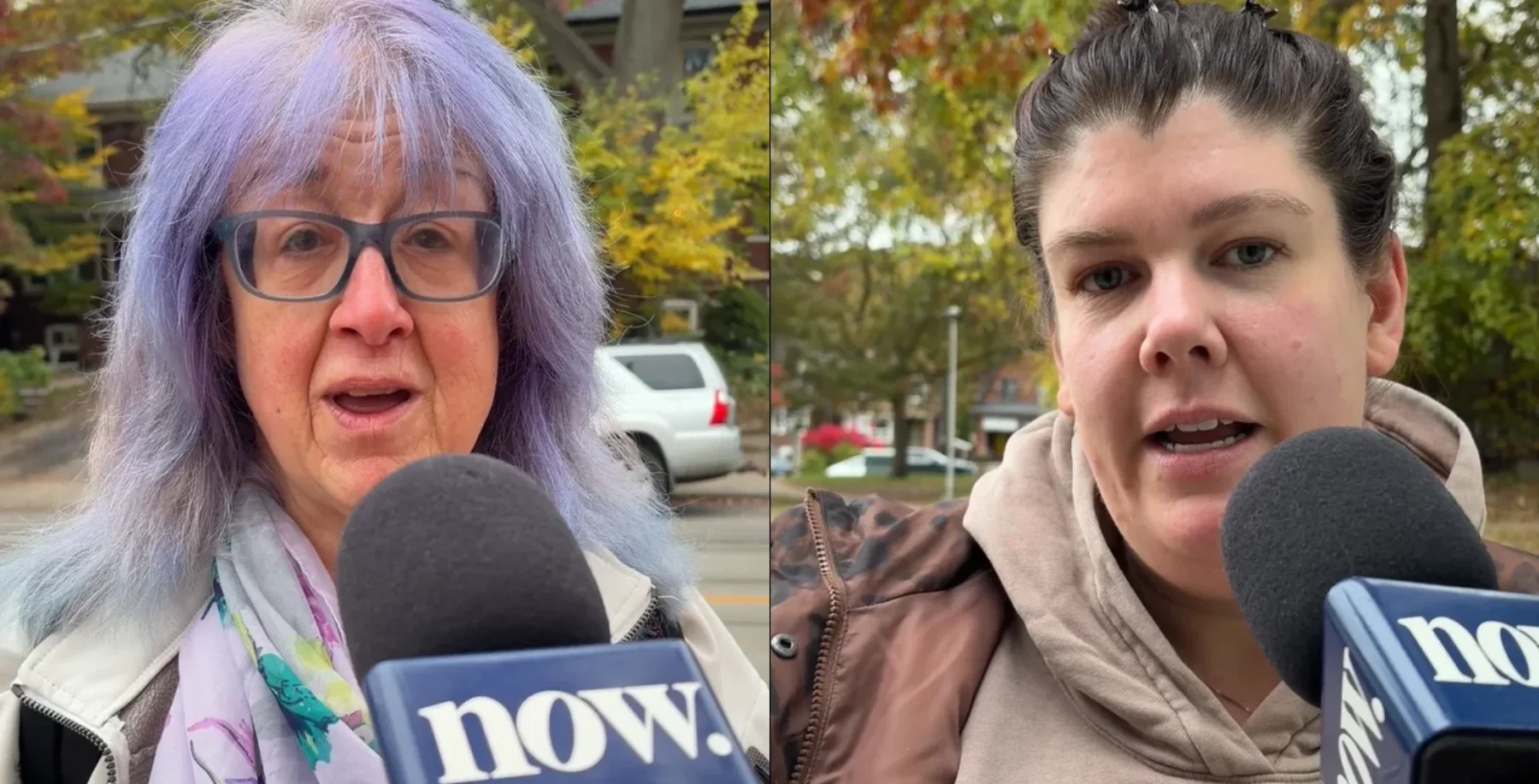
Several riders who spoke with Now Toronto welcomed the proposal and said it could help ease the cost of getting around the city.
Aaron J. called the plan “a pretty good incentive” that could encourage residents to use the TTC.
“I think that’s a really good way to keep Toronto residents coming back to the TTC, and it brings a lot of faith back in the system,” he said.
Jenny F., who recently began studying at York University and commutes to the city from Guelph, said the change was overdue.
“It was about time because I take the TTC a lot,” she said. “You want to save money because everything’s expensive.”
Janish R. also supported the proposal, pointing to how quickly individual fares can add up.
“I think that’s a good thing to do,” he said.
Meanwhile, others questioned whether the city could afford the program and suggested Toronto should go further.
Gary G. said the change would be worthwhile if it could be introduced without affecting other city services.
“It would be great if transit was completely free for everybody,” he said. “But the thing is, how do you fund it? Because you gotta fund it, right?”
Phoenix B. described the proposal as “a nice step towards maybe making the TTC more accessible,” but said governments should invest more broadly in public transportation.
“I think in general we should be funding the TTC, and I think it should be free just as is,” she said.
Toronto voters will head to the polls on Oct. 26.