What to know
- Toronto is experiencing its second heat wave of the summer, with temperatures in the 30s and humidex values in the 40s.
- Experts say climate change is making extreme heat more frequent, increasing the need for heat-resilient urban design.
- Toronto’s Thermal Comfort Guidelines recommend strategies such as expanding tree canopy, installing green roofs and using lighter-coloured materials to reduce heat.
- Experts also say cooling initiatives should prioritize lower-income neighbourhoods, which often have less shade and green space.
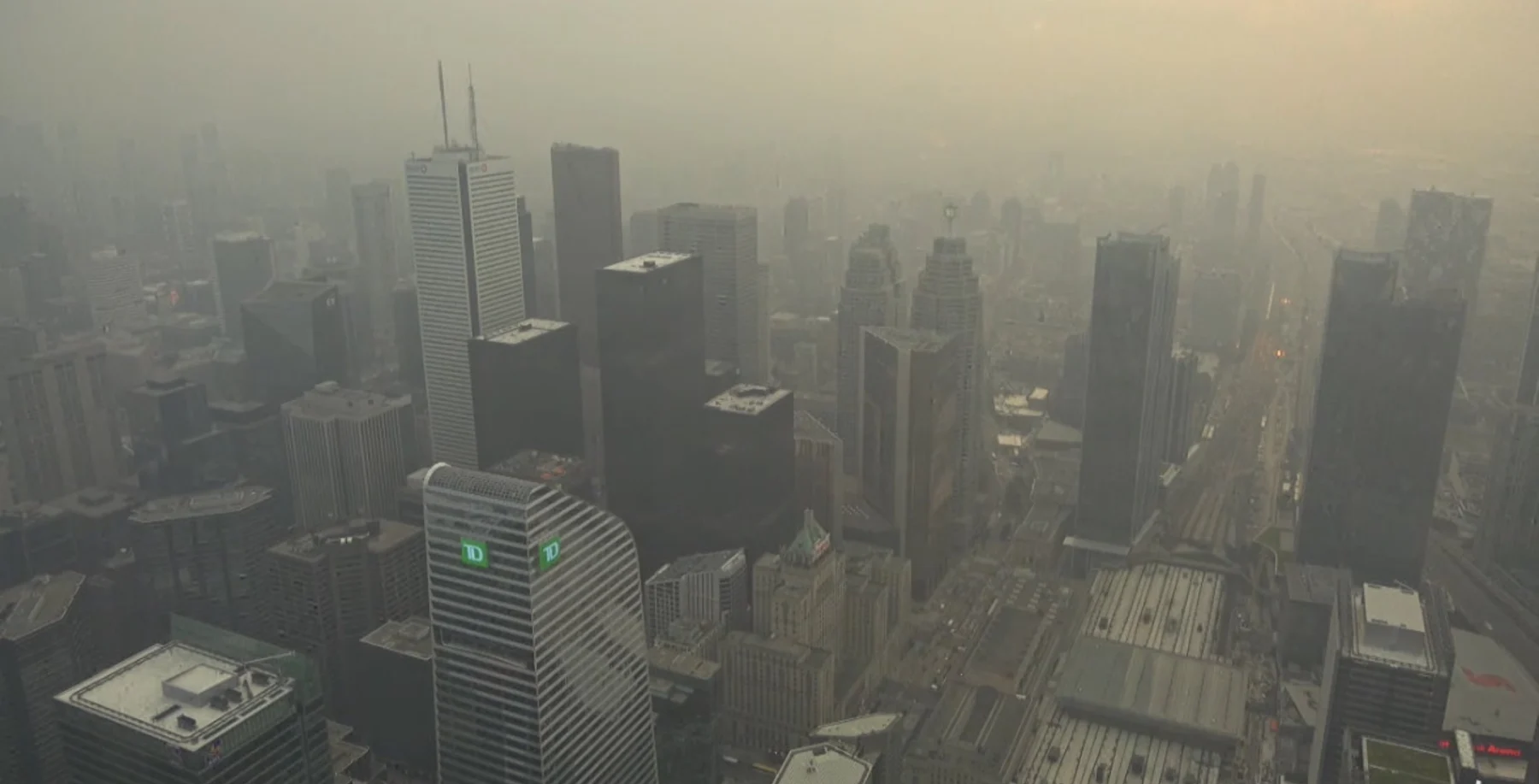
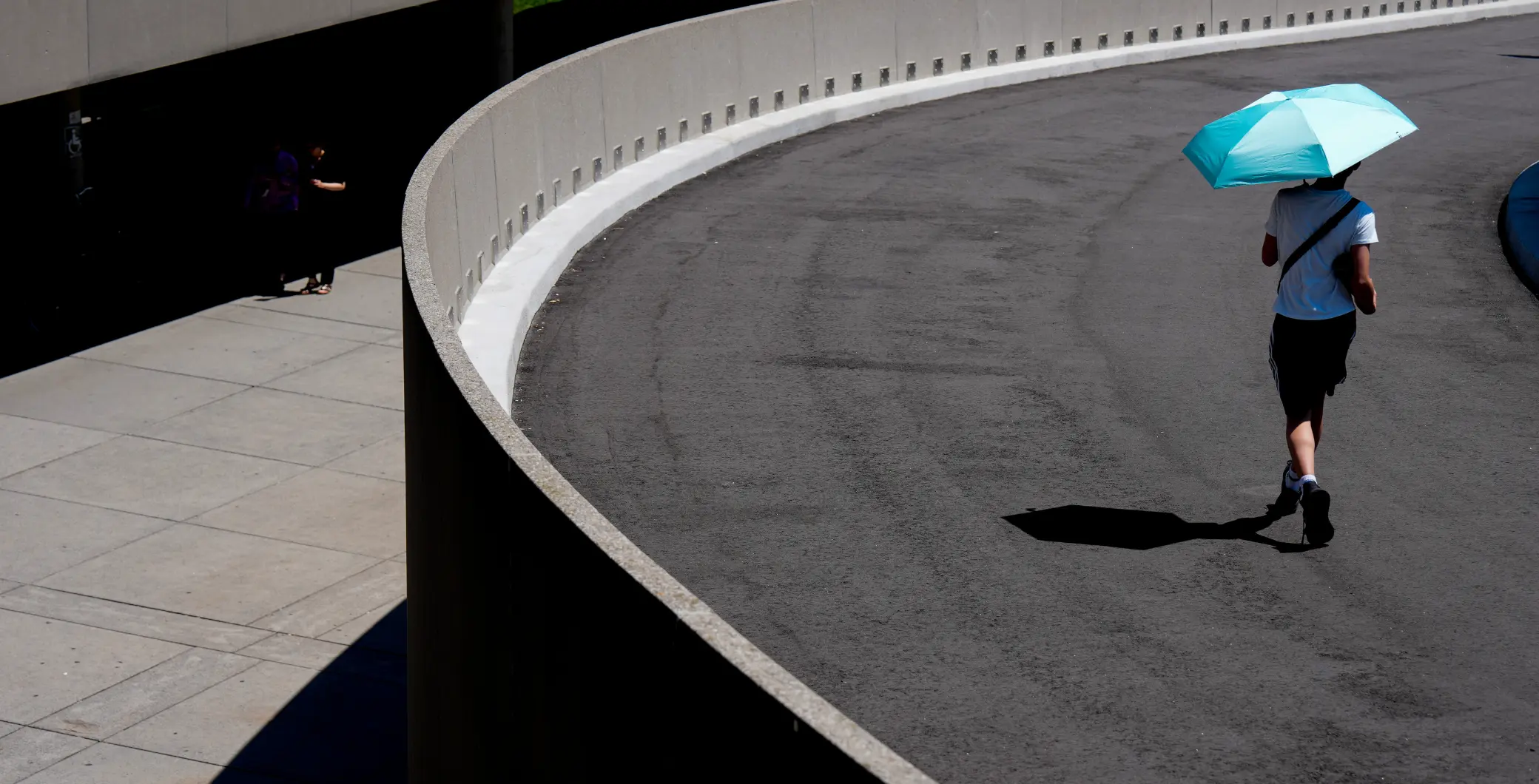
As Toronto endures another stretch of extreme heat, urban design experts say the city must continue rethinking how neighbourhoods are built to withstand rising temperatures driven by climate change.
Environment Canada has issued the second heat warning of the summer, with daytime highs climbing into the 30s and humidex values reaching the 40s.
For Dorsa Jalalian, principal and urban designer at DIALOG, these frequent heat waves highlight the need to build a city that is designed to stay cooler.
Last year, the City of Toronto, in partnership with DIALOG, developed the Thermal Comfort Guidelines, the first comprehensive framework of its kind in North America.
The guidelines, which have since been adopted by the city, provide evidence-based strategies to make public spaces more comfortable during both extreme heat and bitter cold.
Jalalian says the framework is intended to shape how Toronto designs new developments and upgrades existing streets, parks and public spaces.
Designing cooler neighbourhoods
Among the recommendations are practical changes that can significantly reduce urban heat.
Jalalian says using lighter-coloured paving materials can help reflect, rather than absorb, solar radiation. Green roofs and cool roofs can also reduce heat buildup on buildings while improving insulation.
“We can integrate green roofs, cool roofs and buildings that absorb less heat,” Jalalian said. “You can increase tree canopy and vegetation, especially in areas with very little existing shade.”
She also points to permeable and vegetated ground surfaces as another way to cool neighbourhoods while improving stormwater management.
A city that works in every season
Although Toronto has long been considered a winter city due to extreme temperatures in the winter, Jalalian says designing for summer comfort doesn’t mean sacrificing winter comfort.
Instead, she says thoughtful urban design should give people options throughout the year.
Parks and other public spaces, for example, can offer both sunny and shaded areas so residents can choose what feels most comfortable depending on the season.
Jalalian says one simple solution is planting deciduous trees.
“The ones that lose their leaves in the fall are nature’s perfect comfort designers because they give you shade in the summer when you need it the most and let the sunlight through in the winter,” she said.
Heat resilience is also an equity issue
Jalalian says ensuring neighbourhoods stay cool must also be approached through an equity lens.
Lower-income communities often have fewer trees, less green space and fewer places to escape extreme heat than wealthier neighbourhoods.
“When you overlay Toronto’s tree canopy with socioeconomic data, you can clearly see that more vulnerable, lower-income neighbourhoods have less shade,” she said. “Neighbourhoods with higher incomes often have much better access to ravines, parks and mature tree canopies.”
She says the city has been working to address those disparities through targeted tree planting initiatives and by using a tree equity score to help guide the initiative.
Preparing for a hotter future
With climate change expected to make extreme heat far more common, Jalalian says designing heat-resilient neighbourhoods is becoming increasingly urgent.
“We used to only get about 10 days a year where temperatures exceeded 30 C back in the ’80s and ’90s,” she said. “By the 2080s, that number could rise to 55 or even 60 days a year.”
As Toronto continues to warm, she says investing in cooler streets, more trees and climate-conscious urban design will be essential to keeping the city livable for decades to come.