What to know
- Wildfire smoke from more than 100 active fires in northwestern Ontario has drifted into southern Ontario, giving Toronto an orange haze and pushing the city’s air quality among the worst in the world.
- Toronto’s Air Quality Health Index reached a rare 10+, with officials urging everyone, especially children, seniors, pregnant people, and those with underlying health conditions, to stay indoors as fine particulate pollution from wildfire smoke can harm the lungs and heart.
- Canada’s wildfire season typically runs from April to October, with extreme heat, dry conditions, and strong winds helping fires spread across forests and communities.
- Ontario officials say about half of wildland fires are human-caused, reminding residents to keep campfires small, never leave them unattended, fully extinguish them, and report any smoke or flames by calling 911 or 310-FIRE (3473).
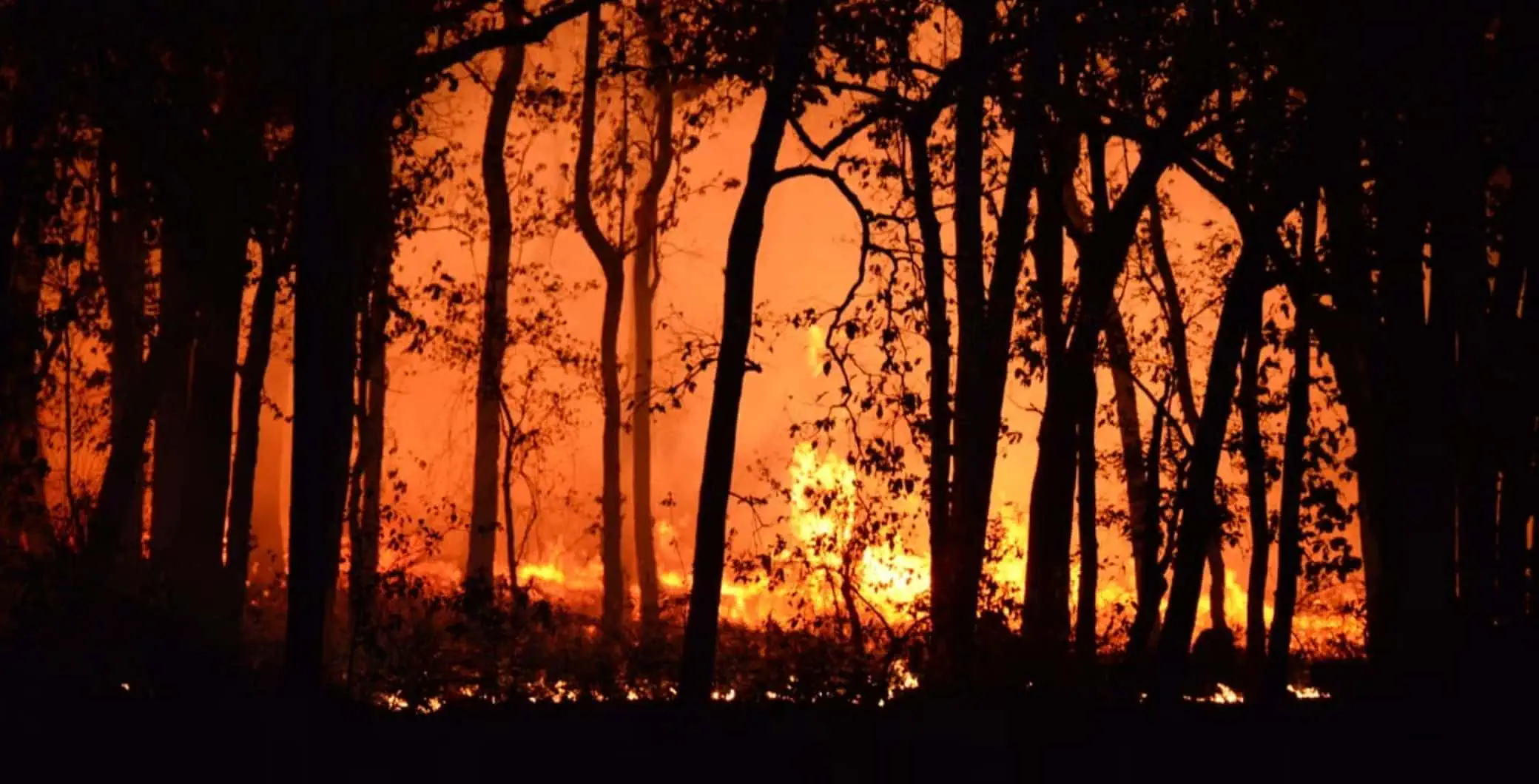
An orange hue has settled over the city, as wildfire smoke wafts down from northwestern Ontario over Toronto. From air quality protections to avoiding setting off a spark, here’s everything you need to know about navigating wildfire season.
Where are these wildfires coming from?
It seems fires across Canada have become more frequent year after year, with smog days like Wednesday’s occurring at least once annually in the past few years.
According to IQAir, multiple fires in towns across the province, including Armstrong, Nipigon, Red Lake, Dryden, and several remote Indigenous communities, have caused rising smoke to waft south, covering southern Ontario with plumes of orange smoke.
The air quality technology company also added that the fires began around July 15, with more than 100 active wildfires threatening communities across Ontario.
They added wildfire conditions, and air quality drops began mainly due to extreme heat, dry conditions, and strong winds.
How do wildfires affect air quality?
As of 8:00 a.m. ET on Wednesday, Toronto ranked the second most polluted major city globally, according to IQ Air.
Read More
Wildfire smoke and burning particles go into the air and create a harmful pollutant known as PM2.5, or particulate matter.
According to Health Canada, this matter can be made up of smoke, soot, liquid, mould, bacteria, pollen and/or animal dander, and are less than 2.5 micrometres in diameter. Due to their small size, which can be even less than a strand of human hair, the matter is able to travel past the body’s natural defenses, and when inhaled, it can travel deep into your lungs.
Inhaling this fine particulate matter can lessen lung function or worsen conditions like asthma and heart disease.
How bad is the air quality in Toronto?
On Wednesday, Toronto’s air quality was a rare 10+ on Environment Canada’s Air Quality Health Index, putting the city and the surrounding regions into an orange warning, with the federal government warning all Torontonians to stay indoors and avoid making a trip outside if possible.
While vulnerable communities such as children, seniors, pregnant people, or others with underlying health conditions are most at risk, Health Canada is warning everybody to stay inside on Wednesday.
How long does wildfire season last?
Wildfire season typically lasts in Canada from April to October, with warmer temperatures causing drying conditions in forested and bush areas, according to Canada Wildfire, a wildfire science organization.
It added that wildfires typically follow a triangle of three components, causing them to spread: weather, fuel, and topography.
Weather such as heavy winds and dry temperatures can prolong wildfires, spreading them quickly through forests and at times towns.
In this instance, fuel can be anything that aids fire growth, including grass, shrubs, properties, and other flammable materials.
Topography, meaning how the landscape guides the fire, can also be a contributing factor. Whether a slope is uphill or downhill can greatly direct how a fire grows and travels. Other factors include terrain that influences wind flow.
How to stay safe and avoid starting a wildfire
Residents can be in-the-know about where wildfires are around the province using the Forest Fire Info Map by the Ontario government.
As conditions dry in some areas around the country, and in Ontario, the government is warning residents on how to stay safe and prevent starting a wildfire.
Officials advise being cautious when outdoors, with about half of the province’s wildland fires being human-caused.
They said that during the wildfire season, unattended campfires are responsible for at least one wildfire every day.
The government warned that anyone who started a fire must keep it under control and fully extinguish it. If a manmade fire leads to a wildland fire, those responsible could face charges.
Anyone who spots smoke or flames is asked to call 911 or 310-FIRE (3473).


