What to know
- Olivia Chow leads Brad Bradford 38.8 per cent to 31.4 per cent among all respondents in the latest Mainstreet Research poll.
- Chris Alexander has eight per cent support, followed by Sarah McVie at 2.1 per cent and Odessa Paloma Parker at 1.2 per cent.
- Nearly 17 per cent of respondents remain undecided, while 13.5 per cent say they could still change their minds before election day.
- Crime and public safety are among the top concerns tested in the poll, with nearly 52 per cent saying the issue is very or extremely important to their vote.
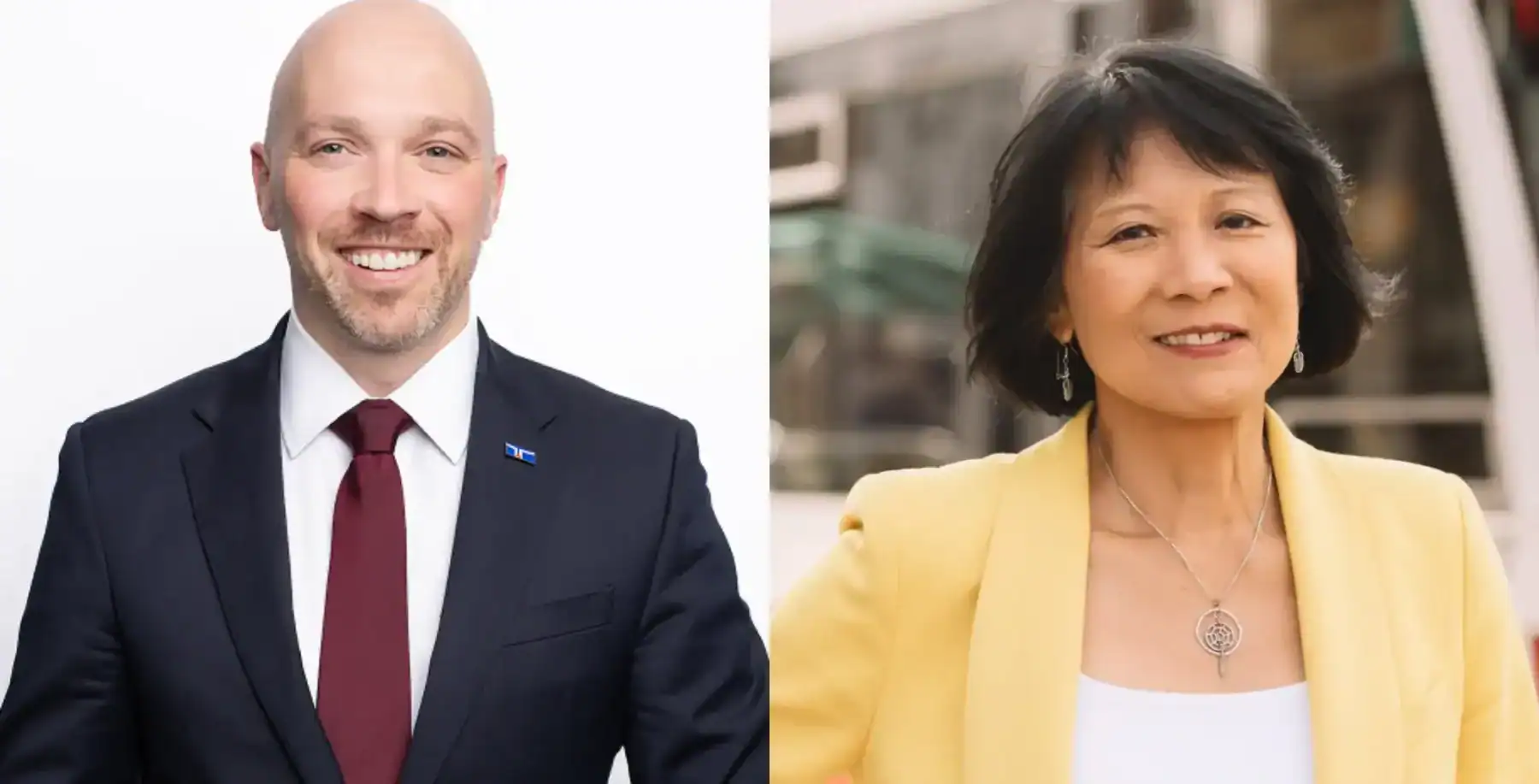
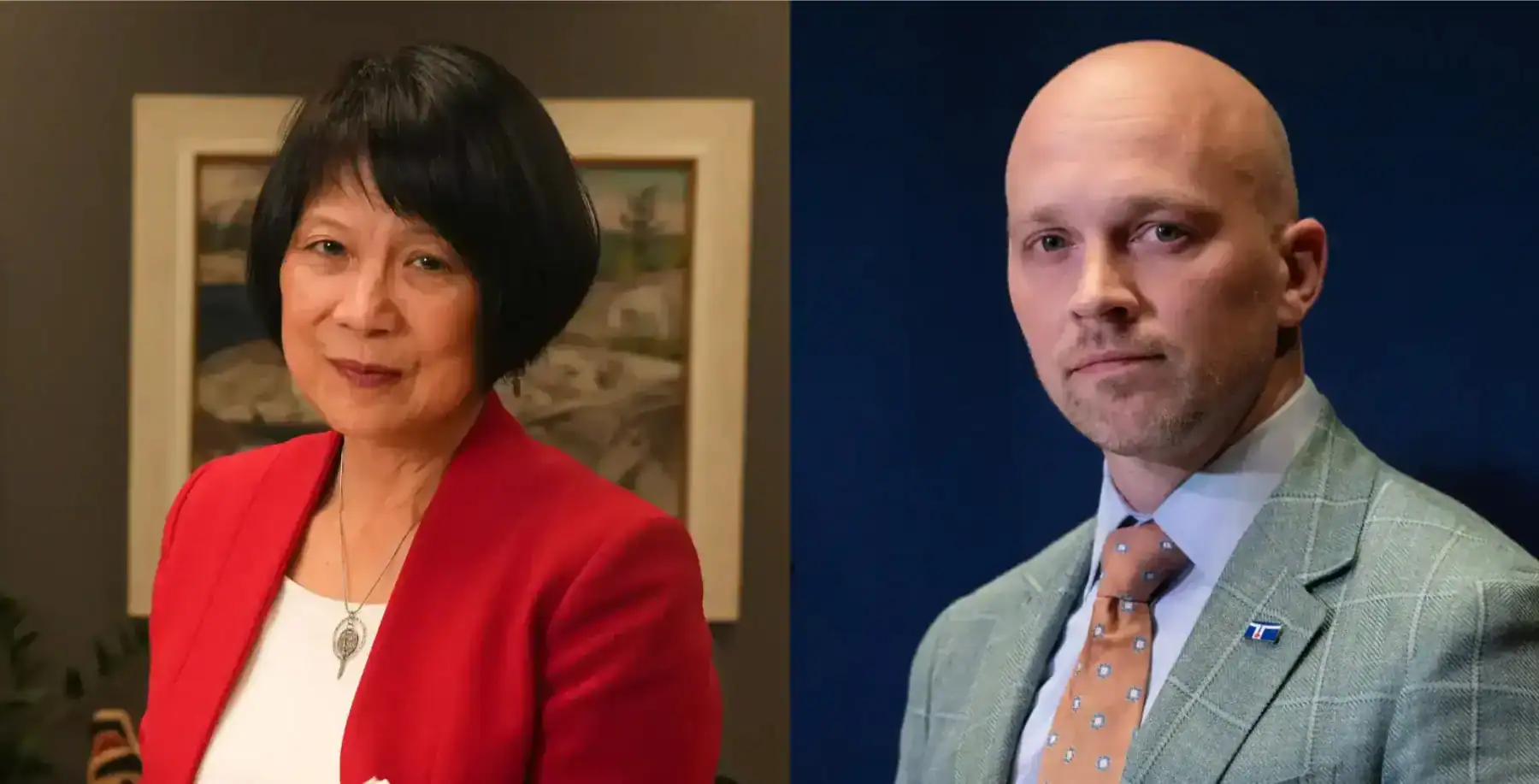
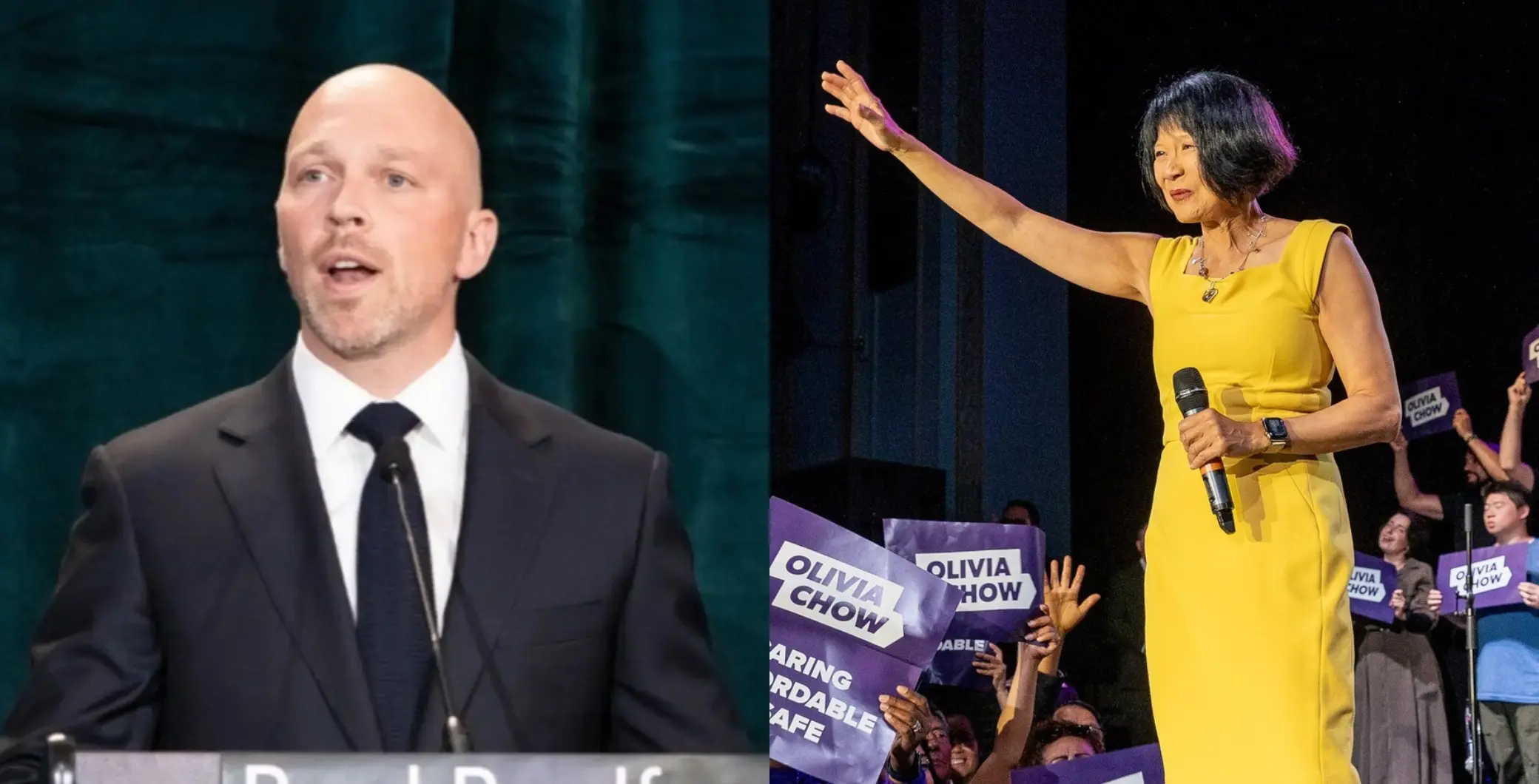
Toronto’s mayoral race appeared to have gotten a bit tighter, with a new poll indicating a smaller difference in vote intention between Olivia Chow and Brad Bradford.
A latest mayoral poll by Mainstreet Research published on Friday showed that Chow is still leading the race, but her advantage has become smaller.
Among respondents, 38.8 per cent said they would vote for Chow, followed by 31.4 per cent who would vote for Bradford. Coming after the two race leads were Chris Alexander with eight per cent, Sarah McVie with 2.1 per cent and Odessa Paloma Parker with 1.2 per cent.
Meanwhile, two per cent of respondents said they’d vote for a different candidate, while 16.8 per cent said they are still undecided.
While election day continues to approach, the poll indicates that things might change as fall progresses, with 13.5 per cent of respondents also saying they might still change their minds before Oct. 26.
Although the lead remains unchanged, the latest poll suggests the race has just gotten tighter, with a much smaller difference between the two leading candidates.
After Chow officially launched her campaign earlier this month, a Liaison Strategies Toronto Pulse survey had shown a double-digit advantage for the candidate, with 50 per cent of respondents saying they’d vote for her and 39 per cent for Bradford.
Read More
Public safety found as voters’ top concern
The Mainstreet Research poll also suggests that crime and public safety seems to be voters’ top concern when it comes to the race. Nearly 52 per cent of respondents said that crime and safety would be extremely or very important when deciding how to vote.
Meanwhile, 69.8 per cent said they are somewhat or very concerned about public safety and crime in Toronto, and 62.5 per cent said they believe crime has increased in the last two years.
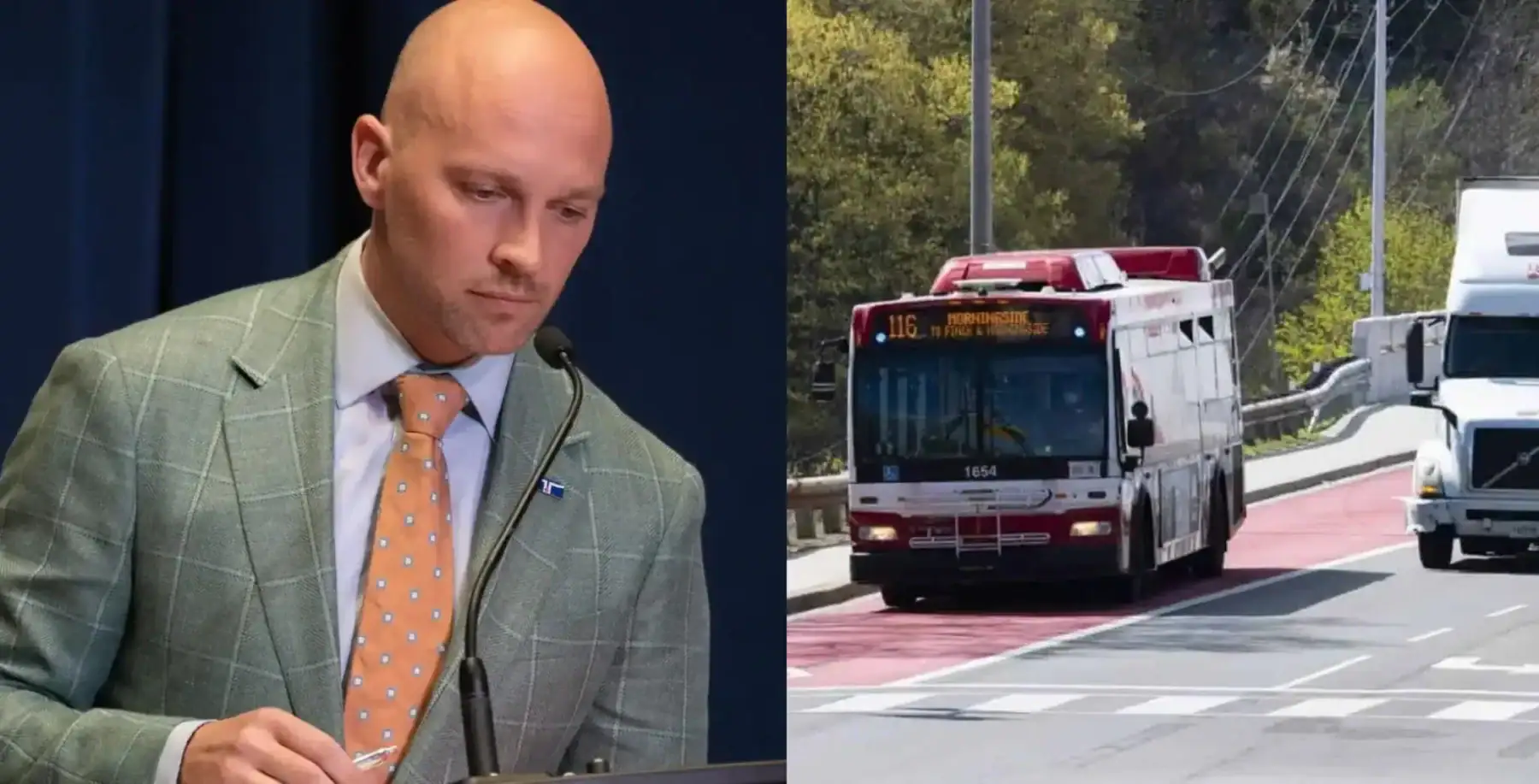
According to the poll, 20.7 per cent of respondents said they felt most concerned about safety in the downtown core, while 19.9 per cent indicated the TTC as the top safety concern, and 17.9 per cent said their own neighbourhood.
On the other hand, a recent poll by Liaison Strategies published earlier this month, indicated that people’s perception of safety in Toronto doesn’t necessarily reflect the city’s actual crime rates. According to the poll, there was an 11 point difference between the city’s actual crime rank and respondents’ perceptions.
According to Toronto Police Service (TPS) major crimes in the city have significantly dropped compared to last year, including shootings, homicides, robberies, and break-and-enters.
Chow, Bradford respond to poll findings
In a statement shared with Now Toronto, Laryssa Waler, a spokesperson for Bradford’s campaign said the Mainstreet poll reflects what his team has heard from voters across the city.
“This poll was in the field in the days right after the first debate of the campaign, when voters saw both candidates side by side for the first time, and the race tightened. Toronto is stuck, Torontonians know it, and they’re taking a hard look at the one candidate offering real change with a real plan to deliver it.” Waler said.
Bradford’s campaign spokesperson also criticized Chow’s administration, pointing to food bank visit hikes and property tax increases in contrast to $1.2 billion in provincial support received by the city from the provincial government.
Waler also took a jab at Chow for a perceived lack of safety in the city, pointing to the poll’s findings to say many find crime to have increased in the past two years.
“This is the mayor’s record. It’s how people feel. For her re-election argument to work, she has to convince Torontonians that what they’re feeling is wrong,” she said.
“The Mayor looks at all of this and tells Torontonians the city is living up to its full potential. Brad [Bradford] rejects that. We’re not even close, and that’s exactly why he’s running.”
Waler said Bradford will continue to visit “doorsteps in every corner of the city” ahead of election day.
Meanwhile, a spokesperson for Chow’s campaign told Now Toronto emphasized her investments in housing, public transit and safety.
“Since her election as Mayor in 2023, Olivia Chow has made historic investments in affordable housing, expanding public transit, improving public safety and more. The choice is clear: we can either go backwards or keep moving forward,” spokesperson Zeus Eden said in a statement.
“The only poll that matters is on election day. Until then, Olivia Chow will continue connecting with communities across Scarborough, North York, Etobicoke, downtown and across Toronto, inviting them to support her vision for a more affordable, caring and safer city.”
The spokesperson also mentioned a report published in 2018, which suggested the Mainstreet’s polling methodology to be flawed and “detrimental to public trust in the polling industry.” However, the report specifically points to the 2017 Calgary Election.
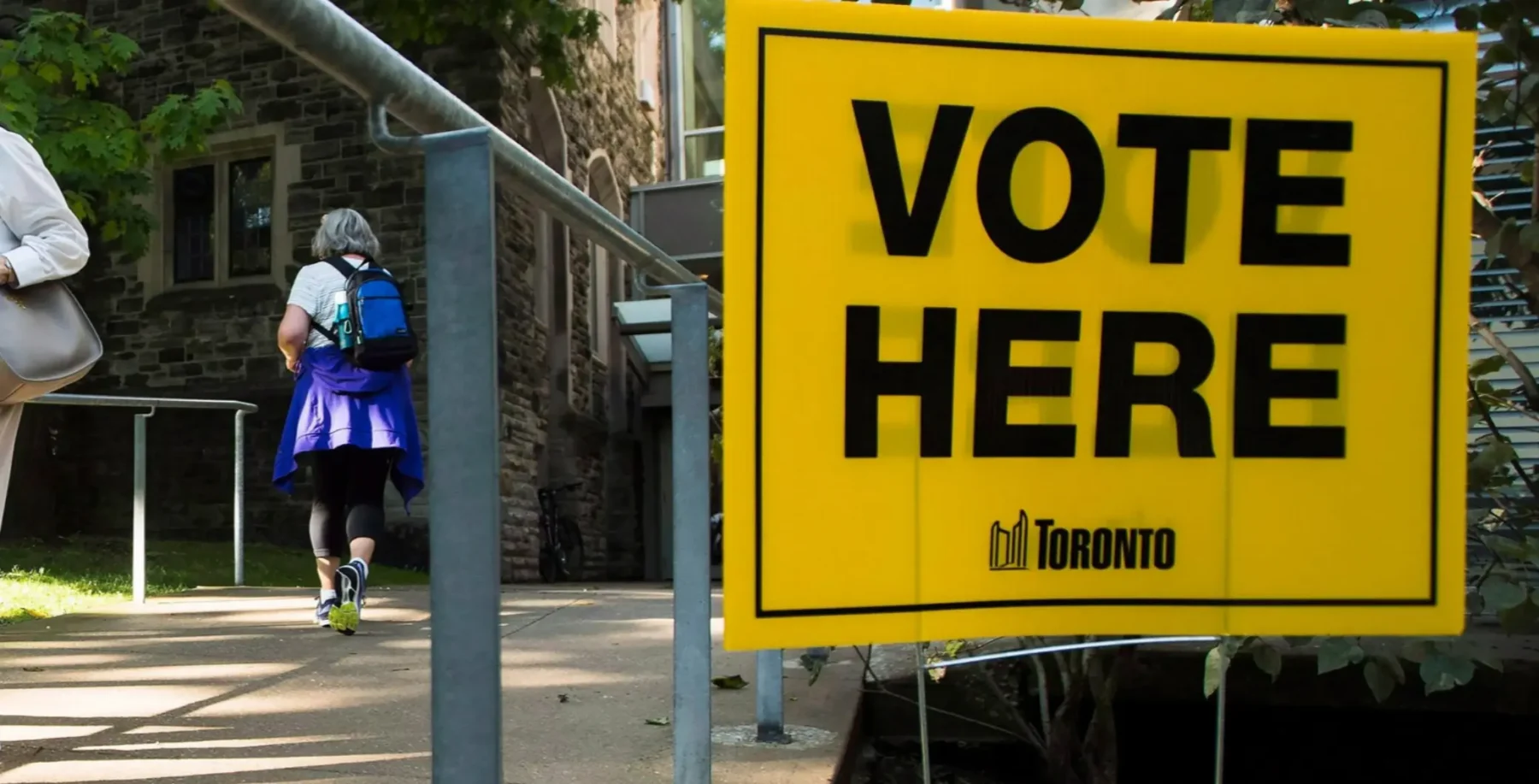
The mayoral election is taking place on Oct. 26.