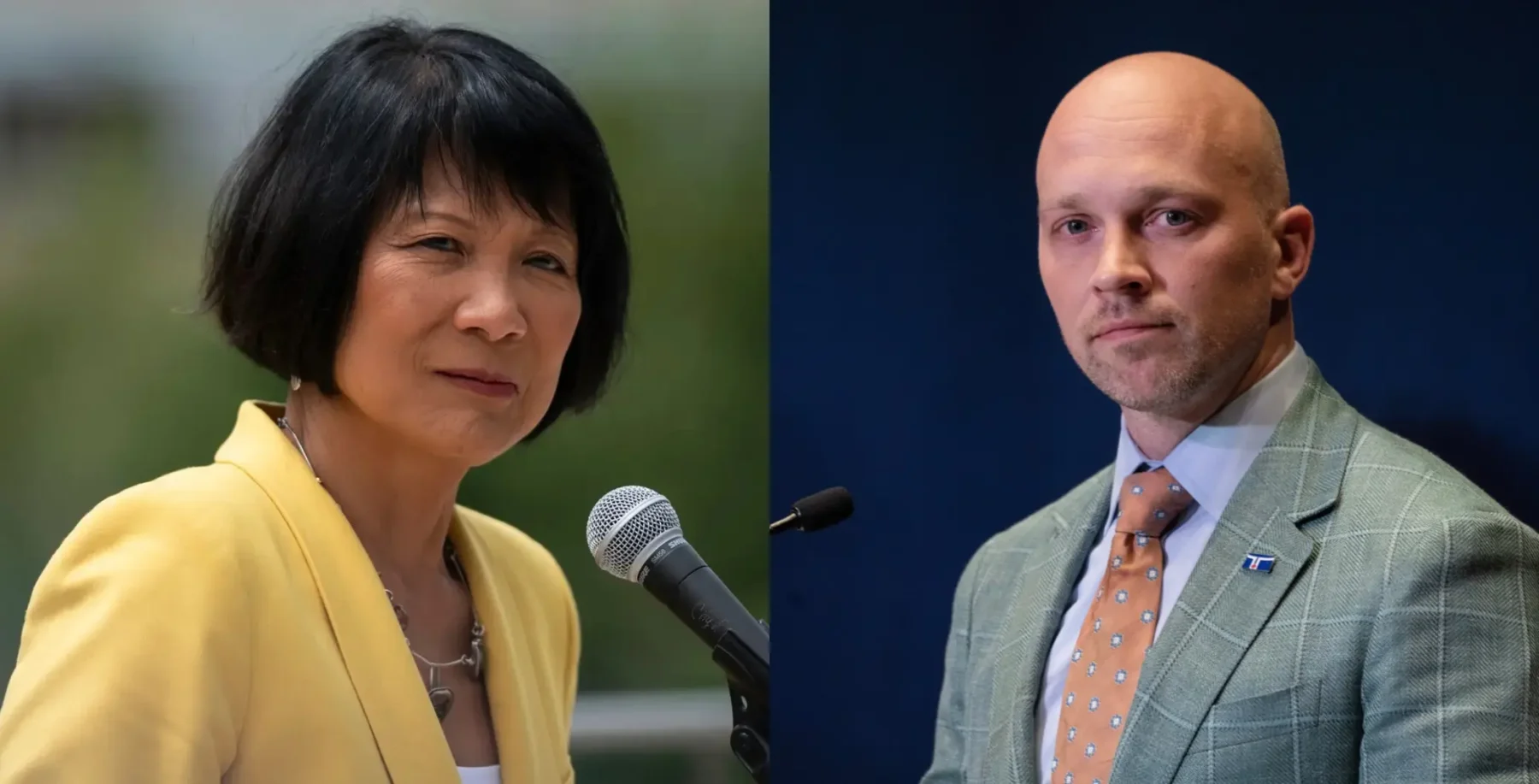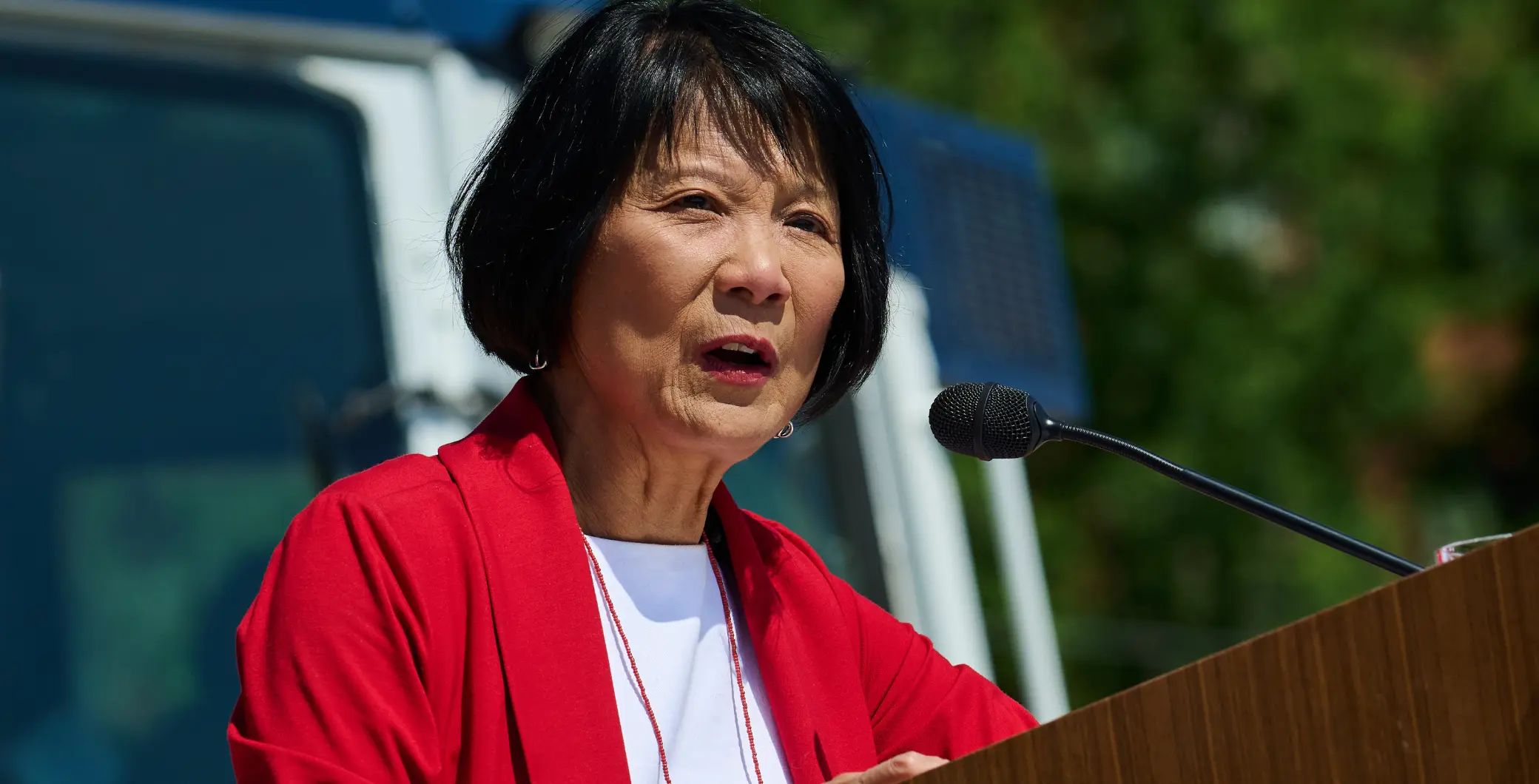
Olivia Chow enters the 2026 mayoral campaign with a clear lead over her closest challenger, but a new poll suggests Toronto voters are far less enthusiastic about higher taxes and the direction of the city.
Chow is set to officially launch her re-election campaign Wednesday night, the same day a new Liaison Strategies Toronto Pulse survey puts her ahead of Coun. Brad Bradford by 11 points among decided and leaning voters.
The poll has Chow at 50 per cent, compared with 39 per cent for Bradford. Chris Alexander trails at 10 per cent, while two per cent support other candidates.
The numbers have changed little since Liaison’s previous survey on Aug. 20, when Chow led Bradford 49 per cent to 38 per cent.
Among all voters, including those who remain undecided, Chow has 42 per cent support, Bradford has 32 per cent and Alexander has eight per cent. Sixteen per cent are undecided.
Poll highlights challenges
But the poll also highlights some potential challenges for the incumbent as she begins her campaign.
Just 47 per cent of Torontonians say the city is moving in the right direction, while 48 per cent say it is moving in the wrong direction. Chow’s approval remains positive, with 51 per cent approving of her performance and 45 per cent disapproving.
The strongest warning may come on taxes, 54 per cent of respondents favour either freezing or reducing property taxes, or increasing them by less than inflation even if that means some services decline or improvements are delayed.
Only 22 per cent say affordable housing and homelessness services would justify a tax increase, followed by public transit at 21 per cent and police, fire and paramedic services at 17 per cent.
Transit is another potential vulnerability. Twenty-nine per cent of respondents say they use the TTC less often than before the pandemic, compared with 15 per cent who use it more.
Among those riding less, changed routines were the most common reason, but safety, travel time and inconvenience, and unreliable service were also significant factors.
For Bradford, the poll suggests there is room to grow, but he has yet to close the gap. Chow leads in downtown Toronto, North York and Scarborough, while Bradford’s strongest region is Etobicoke, where he leads 56 per cent to 33 per cent.
The poll surveyed 1,000 Toronto residents Sept. 4 and 5 using interactive voice response technology and has a margin of error of plus or minus 3.1 percentage points, 19 times out of 20.