What to know
- Short-term rentals often require different insurance coverage than standard homeowner or long-term rental policies.
- One expert warns that hosts could face significant out-of-pocket costs if they rent their property without proper coverage.
- Third-party protections offered by platforms like Airbnb may not provide the same level of coverage as a dedicated insurance policy.
- The expert says updating or changing coverage is typically a quick process, leaving enough time for residents hoping to host World Cup visitors.
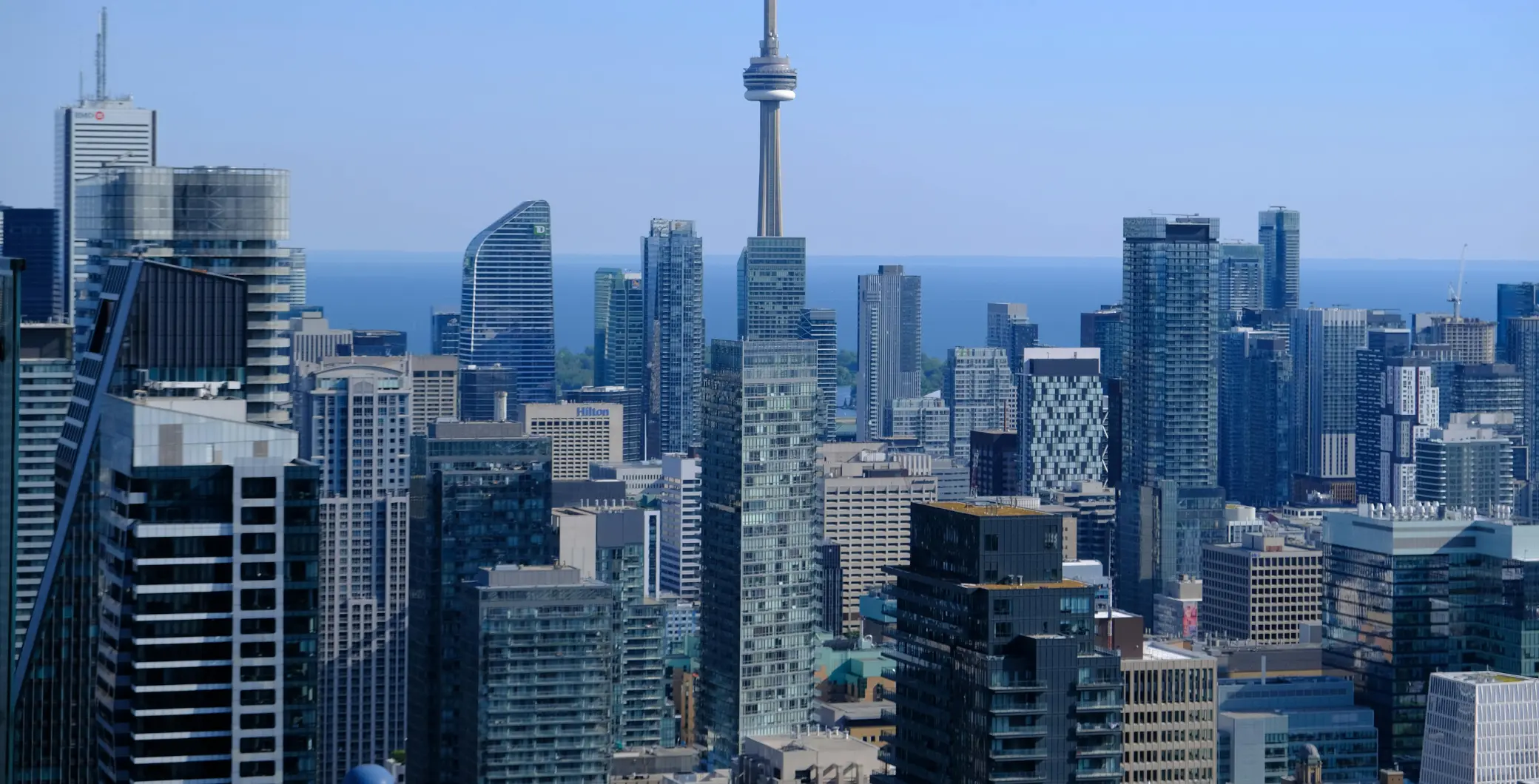
The World Cup is a week away, and one insurance expert is warning Torontonians looking to make some money from the event by hosting visitors to make sure their policies allow for short-term rentals.
With more than 300,000 fans expected to come from out of town to Toronto to watch the games, the World Cup is expected to generate up to $940 million in the GTA, according to an economic assessment by Deloitte Canada.
In light of the economic opportunities coming from the event, Airbnb previously announced incentives to Toronto residents who host visitors this summer.
But Rates.ca Insurance Expert Daniel Ivans is warning that those looking to open their homes for short-term rentals should first make sure their policies are able to cover it.
Read More
Why hosts need a different insurance
Although homeowners might already have their home insurance, Ivans explains that policies might change when it comes to short-term rentals, in comparison to home ownership or long-term rentals.
This happens because insurance policies are determined by the type of exposure that exists to properties, and short-term rentals usually face a different exposure from longer-term rentals or permanent homes.
“Having a short-term rental unit is one of those where you’re inviting the general public into your home or into a rental unit for a certain period of time and there’s less known about them than somebody that you might be familiar with,” he said. “Because of that additional exposure, insurance companies look at short-term rentals and a little bit differently”
In this case, a policy held by a homeowner or one held by a long-term renter might not apply to short-term rentals. Hence, if they decide to open their doors for hosts without changing the policy, they’d be left without proper coverage.
What about third-party insurance?
Some platforms have their own policies for hosts, such as AirCover for Airbnb. However, Ivans said these might not offer complete protection for renters.
Instead of relying on these platforms right away, the expert recommends that hosts reach out to their insurance providers to check whether their policies could cover short-term rentals.
“Brokers and agents want to understand who clients are, so that they can make sure that they’re recommending enough coverage for each individual, and what we find in a lot of cases is that third-party policies, not coming directly from insurance companies, often have much lower limits,” he explained.
Is it possible to get a new policy by the World Cup?
According to Ivans, changing insurance policies is a quick process that usually can be done on the spot.
So, for those looking to get their homes ready by the time the event comes around, there is still time left to make the necessary changes.
Ivans recommended that those looking to host should obtain a copy of the existing coverage with their third-party company and take it to an agent or insurance broker, who can then determine if that is enough to host or if they need extra coverage.
The expert explained that having proper insurance is necessary to protect hosts from any unexpected losses, avoiding extended financial consequences if any sudden events lead to damage.
“To have an insurance policy that doesn’t provide that coverage, potentially, or doesn’t provide the coverage that you need, could mean that you’re out of pocket as a consumer a lot of money in the event of a loss,” he said.


