What to know
- Ontario’s $100 million investment into the Ontario Fertility Program expands access to IVF, IUI, and fertility preservation, building on a previous $250-million commitment.
- A Toronto fertility clinic focused on inclusive care says the funding has dramatically reduced wait times, with its waitlist dropping from two years to zero.
- Medical leaders argue that timely fertility access is critical, as delays can reduce treatment success and increase emotional and financial strain for patients.
- Advocates say the expansion is also improving equity in reproductive care, particularly for 2SLGBTQ+ and marginalized communities facing systemic barriers.
Ontario’s latest $100 million investment into the Ontario Fertility Program is being hailed as a major expansion of reproductive care access, with one Toronto clinic saying the funding will help remove long-standing barriers for people trying to build families.
The $100 million dollar investment into the Ontario Fertility Program (OFP), revealed this spring, is aimed at broadening access to fertility services, including intrauterine insemination (IUI), in vitro fertilization (IVF), and fertility preservation. Officials say the expansion will help reduce barriers to care and improve access for individuals and families seeking reproductive support.
The new funding builds on a previous $250-million investment announced in 2024, earmarked to support publicly funded fertility services in Ontario. This cash infusion has helped reduce the amount of time that people looking to access fertility care have to wait, a crucial development when considering how important timely access to care often is. Fertility is often time-sensitive, and delays can reduce the chances of successful treatment, especially as age can affect outcomes. Access to timely care also helps reduce emotional stress and ensures people aren’t forced to delay or give up their family-building plans due to system wait times or cost barriers
Anova Fertility, which operates clinics across Ontario, describes itself as a leader in reproductive medicine and inclusive fertility care. The clinic has played a role in Ontario’s publicly funded fertility program since its earlier expansion in 2024. Dr. Marjorie Dixon, the founder and medical director of Anova Fertility, calls this a significant step in the right direction for Ontarians.
“It has levelled the playing field,” Dixon told Queer & Now, explaining that while the first funding for this program was allocated in 2015, it created a “bottleneck” issue for people trying to access the funding.
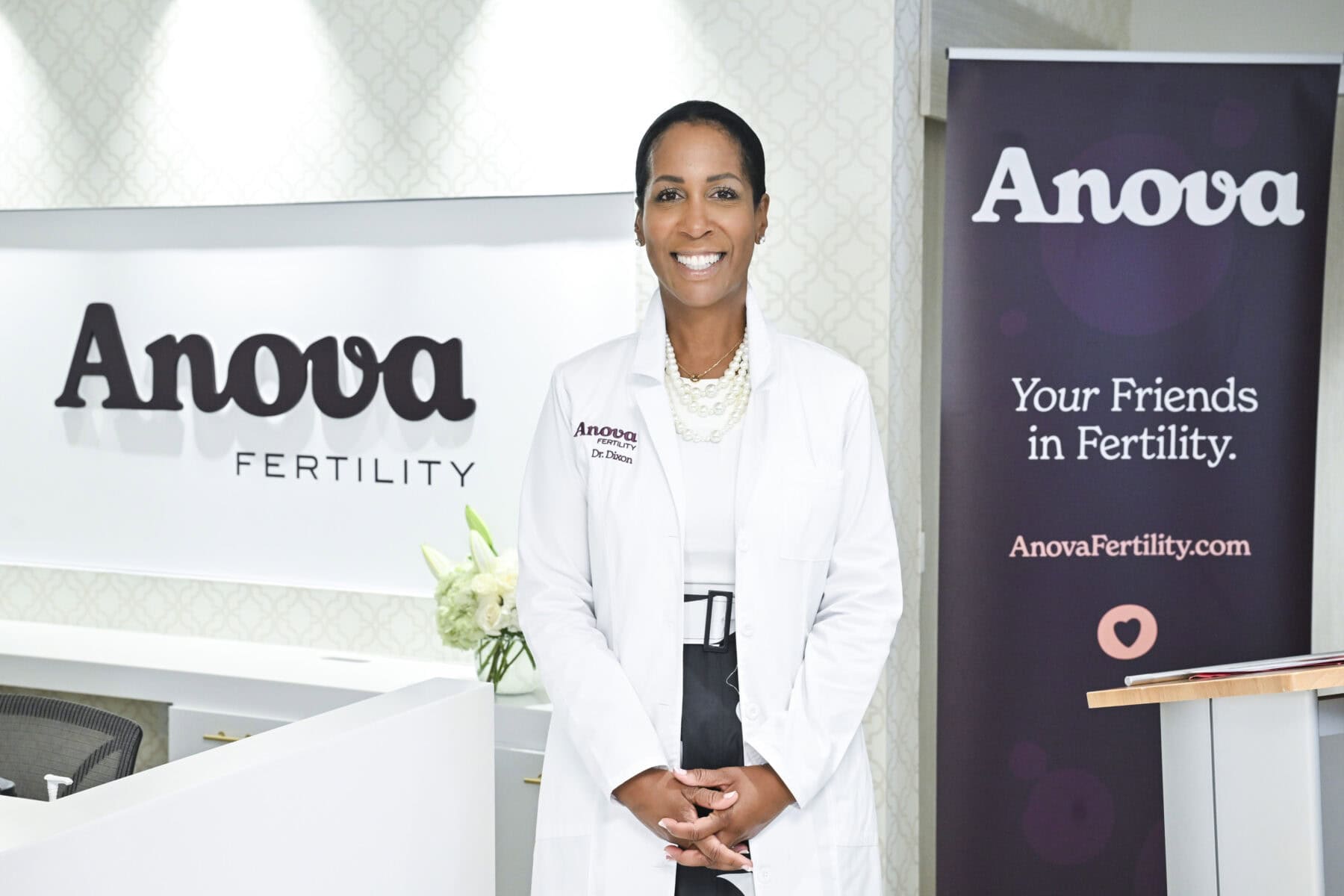
“It brought people to care, but it also created this bottleneck of people getting on a waitlist,” she explained, and for those experiencing infertility driven by medical issues, time matters.
But thanks to this new funding, Anova went from having a wait list of two years to not having a waitlist at all. This means that those walking through the clinic doors can begin their journey almost immediately.
“I saw a patient yesterday, and they’re like, ‘Well, so how long is my wait?’ I said, ‘What waitlist? Welcome, there’s funding now, and you can come immediately to care.’ And if I die tomorrow, I will have done my contribution in my specialty to create a place where we got rid of barriers.”
Inclusive fertility care
Dixon, who has practiced fertility medicine since the early 2000s, said 2SLGBTQ+ people often face major barriers accessing care due to bias, systemic issues and other factors.
“We were the equity, diversity, inclusivity people before it was a thing,” she said of her work dating back to 2008.
At the time, Dixon said some clinics would not allow her to bring in Queer male patients, prompting her to work with lawyers to create systems that protected patients while remaining within medical regulations.
“We toiled away to develop a system that would protect the patients, and that would actually not allow for us to be outside of the guidelines of what the law and regulations said,” she explained. “You can function in that without disclosing, and you don’t have a right to deny people care. We have a fiduciary responsibility to all of our patients.”
Dixon says that in her practice, she sees many Queer and BIPOC people, with communities drawn to the clinic because it is known as an inclusive practice.
“Sensitivity training and cultural sensitivity are important. People need to see themselves in their care providers; they also need to feel comfortable with their care providers,” Dixon explained. “I’m proud to say that our very diverse staff is well versed.”
This is particularly important to her, as Dixon is both Black and Lesbian.
“Leadership comes from the top, and they know that their boss is Queer and that this matters,” she shared.
Dixon said culturally informed fertility care is essential to improving both access and health outcomes for marginalized patients.
“If we don’t have data about our patients, how can we produce the best-in-class care for them?” she said, noting that Black patients often face longer timelines accessing fertility care.
“We need research, we need data, and we need centres to track it,” she added.
Dixon said Anova has prioritized inclusivity from the beginning, including representing different races, genders and family structures throughout the clinic’s branding and patient experience.
“Being a Black, Lesbian woman gives me a perspective that’s different from most, and being someone who’s had IVF also gives me perspective, so I am patient-centred,” she said.
Read More
Having her first child in 2005, Dixon said she has witnessed a major shift in how Queer families are viewed publicly, as well as how people talk about infertility and fertility treatment.
“Families come in all shapes and sizes,” she said. “It has come a long way, and now it’s not unusual for kids to talk about being IVF babies.”
An Anova success story
Dixon said that after decades of advocacy and nearly 10 years running her clinics, helping Queer people build families remains deeply meaningful to her.
“All people deserve to have the right to build a family, and fertility is a medical issue,” she said.
One of those patients was artist and mother Rina Kazavchinski, who said finding an inclusive fertility clinic was important to both her and her partner as a Lesbian couple.
Despite living downtown, Kazavchinski said commuting to North York for treatment at Anova Fertility felt worthwhile because she wanted care providers who understood their experiences.
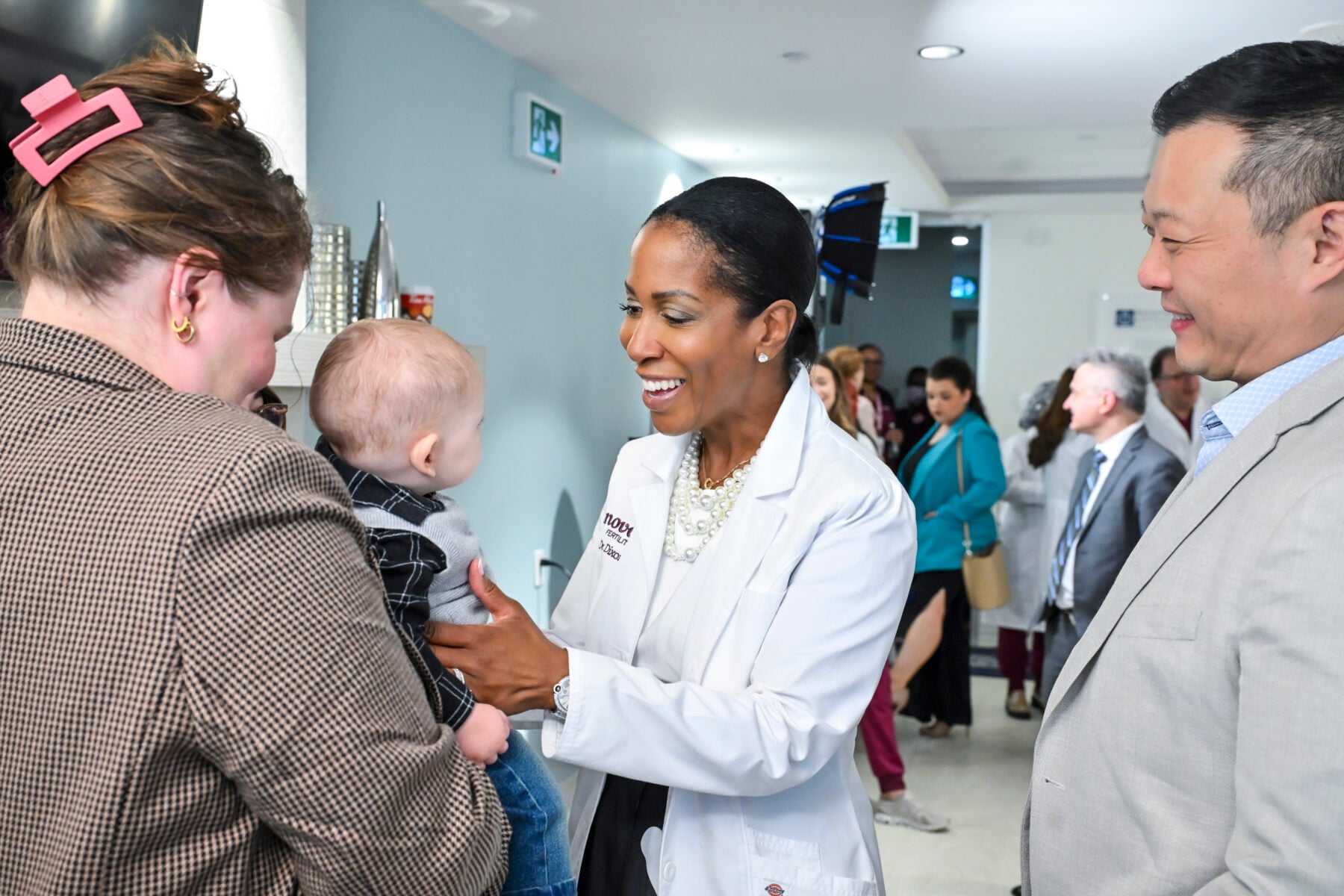
“This process is already stressful enough,” she told Queer & Now. “The last thing you want is for someone to make assumptions about you or your family.”
Kazavchinski joined Anova’s waitlist during the pandemic before eventually meeting her now-partner, Melanie, who also wanted children. Now the mother of 10-month-old Benson, Kazavchinski says that despite various career accomplishments as an artist, her role as a mother has become the most meaningful part of her life.
“All those achievements were amazing, but nothing really compares to becoming a mom,” she said. “Whenever I introduce myself, I’m most proud to say that I’m a mom first.”