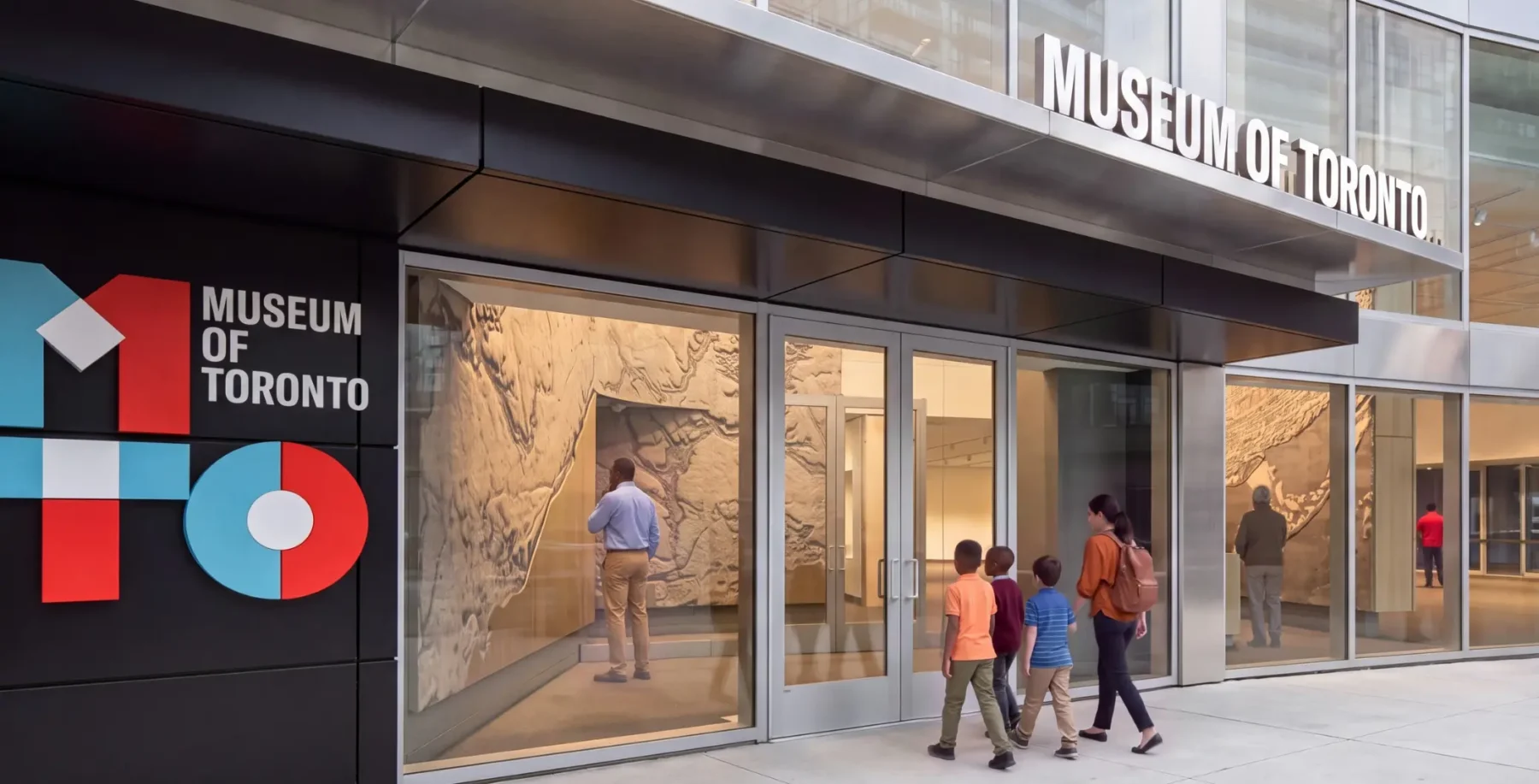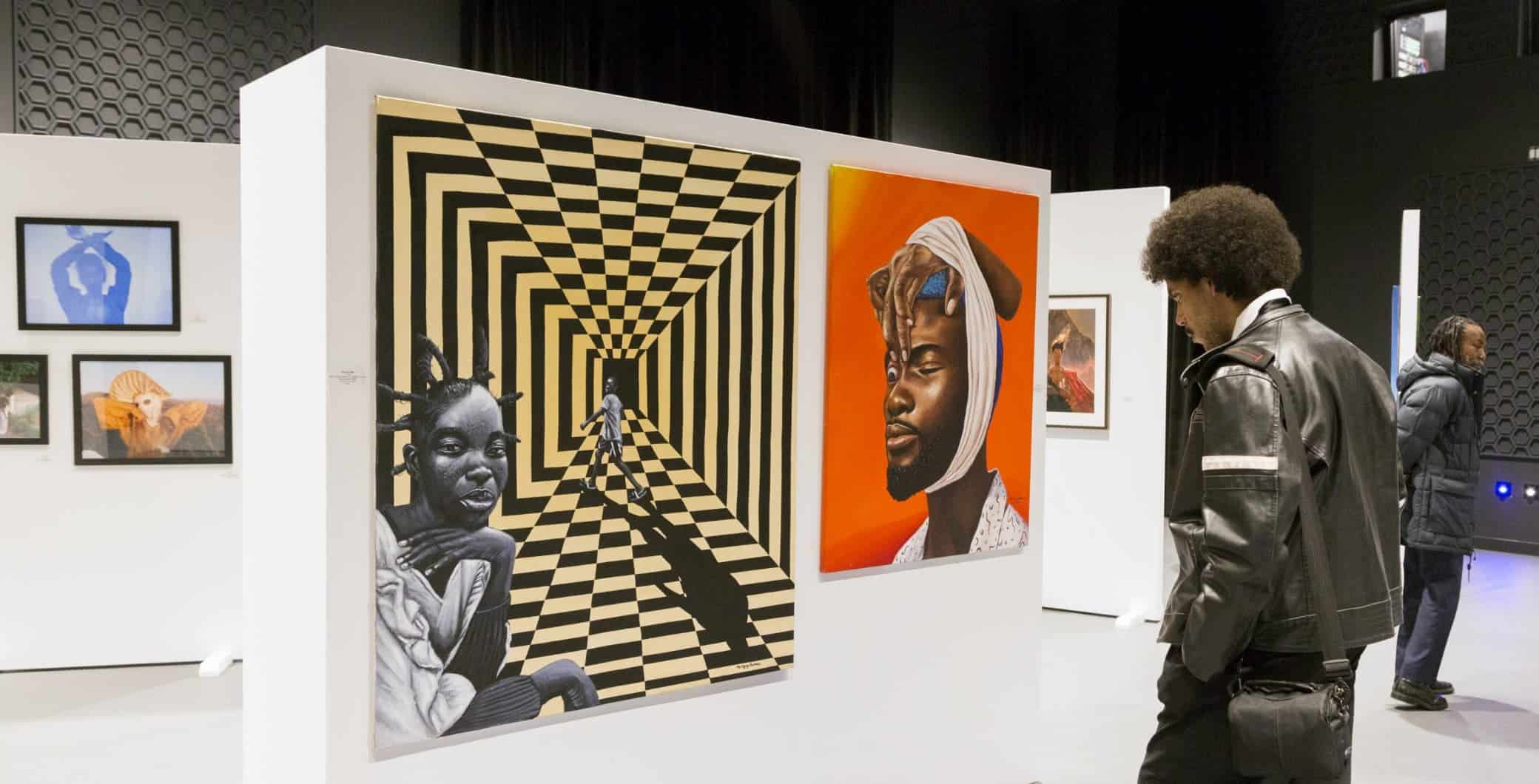
The Nia Centre for the Arts presented A Black Art Fair, where it showcased over 50 contemporary artworks by 30 Afro-diasporic artists. This year, the event coincided with the city’s Art Toronto week.
The Nia Centre is a charitable organization that is committed to advancing multidisciplinary Black artistry through mentorship and community. In line with its name (‘nia’ means ‘purpose’ in Swahili), the centre supports people who have found their purpose in the arts.
Read More
“Our centre serves as a destination both to experience and to learn from artists,” the Nia Centre Executive Director Alica Hall tells Now Toronto.
A report based on the 2021 census found that out of over 200,000 professional artists in Canada, 6,400 are Black – that’s around three per cent.
Hall says numbers do not show the bigger picture.
“[Black people] represent roughly three per cent of the population, so [the numbers] are not off,” Hall says. “The issue is that despite Black creatives making major contributions to the Canadian creative landscape and putting the country on the map in very real, global ways, we just don’t get the same kind of support. We don’t get the same funding. We don’t get the same representation.”
Earlier in her career, Hall recognized the lack of opportunities Black artists had to showcase and sell their work.
“One of the most powerful ways to support an artist’s career is to buy their work,” Hall says. “[A Black Art Fair] brings the community together for art enthusiasts, buyers and collectors to be able to support artists from our communities.”
Just like that, A Black Art Fair was born.
Conceived in 2019, A Black Art Fair underwent a five-year hiatus as the centre underwent a major renovation. The fair resumed last year in the all-new 14,000 square-foot facility located in the heart of Toronto’s historic Little Jamaica.
This year, in its third edition, the fair brought together artists from Sudan to Scarborough, Congo to Montreal.
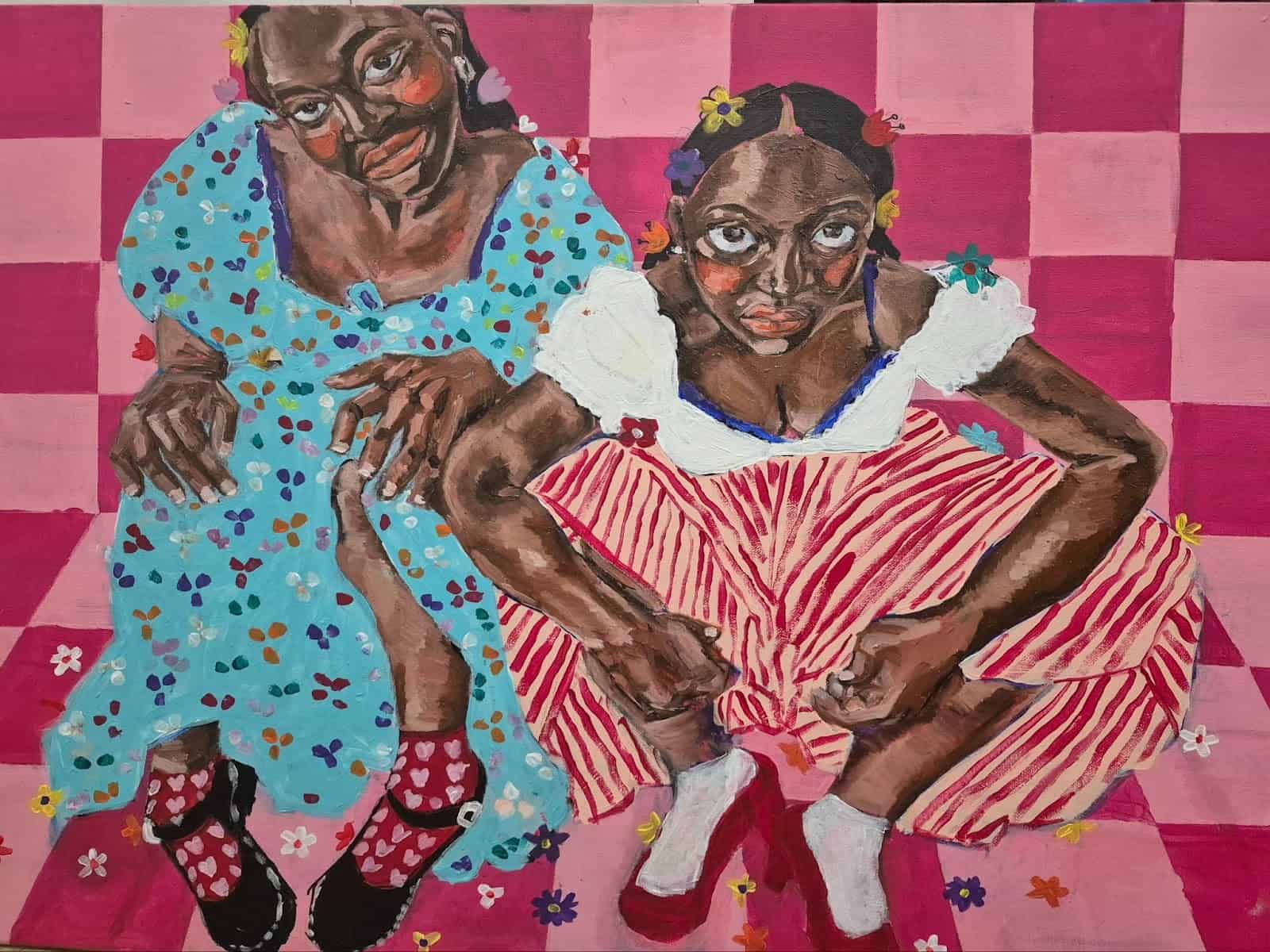
Among them is Chisom Chiwete, a 20-year-old artist currently studying Fine Arts in Winnipeg. Featured at A Black Art Fair, Chiwete’s self-portrait, ‘Sit like a lady,’ depicts her defiance against the mainstream media’s one-dimensional portrayal of Black women, and her struggle as she navigates her many identities as a Nigerian, a woman, and a young adult. She says collectives like the Nia Centre are crucial in the development of young artists such as herself.
“I just feel overwhelmed with gratitude. I’ve never experienced a time when so many people have connected to my work in the way that they have [at the Nia Centre],” Chiwete tells Now Toronto.
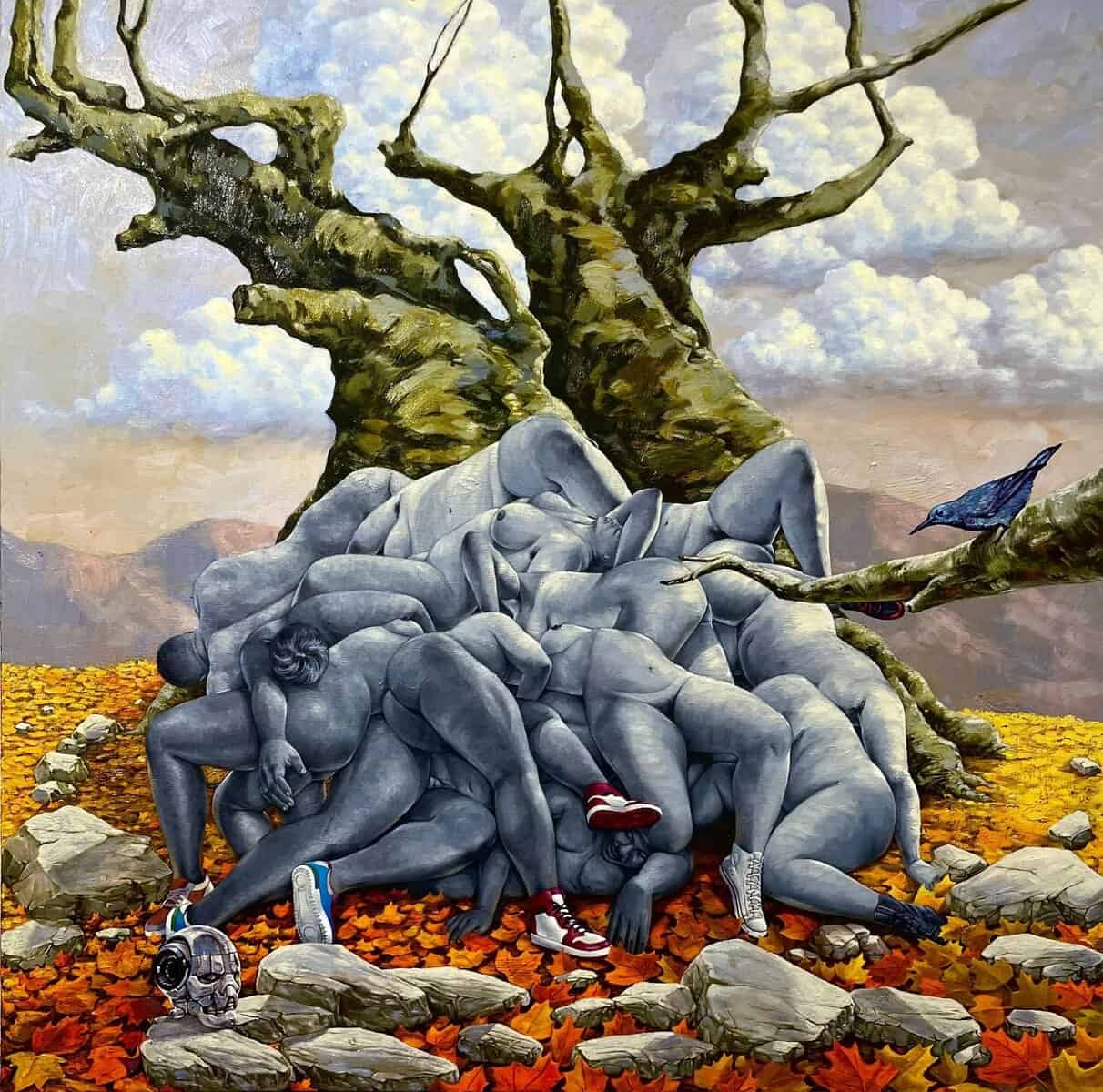
Héritier Bilaka – an Ottawa-based figurative painter of Congolese background – shares Chiwete’s sentiment. Bilaka has participated in the fair before and says the community at the centre is something special.
“I was so amazed last year and this year, too. I was amazed to see more Black artists, discover more work – exceptionally amazing work,” he tells Now Toronto. “We need more centres [like the Nia Centre] everywhere in Canada.”
In his anecdotal experience, Bilaka says larger fine arts institutions such as the National Gallery of Canada in Ottawa still have a long way to go when it comes to inclusivity and representation.
“[Black artists] need to be a part of Canada’s history,” Bilaka says. “We need to see Black vision, visually, not conceptually. Visually. To see on the wall, a Black vision.”
Hall says that’s exactly what the Nia Centre continues to work towards.
“Art is such an important part of how we understand ourselves and the world around us. So, we want to ensure that the current and future generations of artists are supported so that they may continue to create work that reflects our traditions, our stories, and our beauty.”