What to know
- Pride Month is back, but Toronto activist Myles Sexton says meaningful support for 2SLGBTQIA+ communities is becoming harder to find.
- Queer-serving organizations have lost nearly 30 per cent of donors since 2020, according to CanadaHelps data.
- Sexton says Pride-related brand partnerships and opportunities for Queer creators are disappearing.
- With anti-Trans rhetoric and hate crimes remaining a concern, advocates say the fight for 2SLGBTQIA+ equality is far from over.
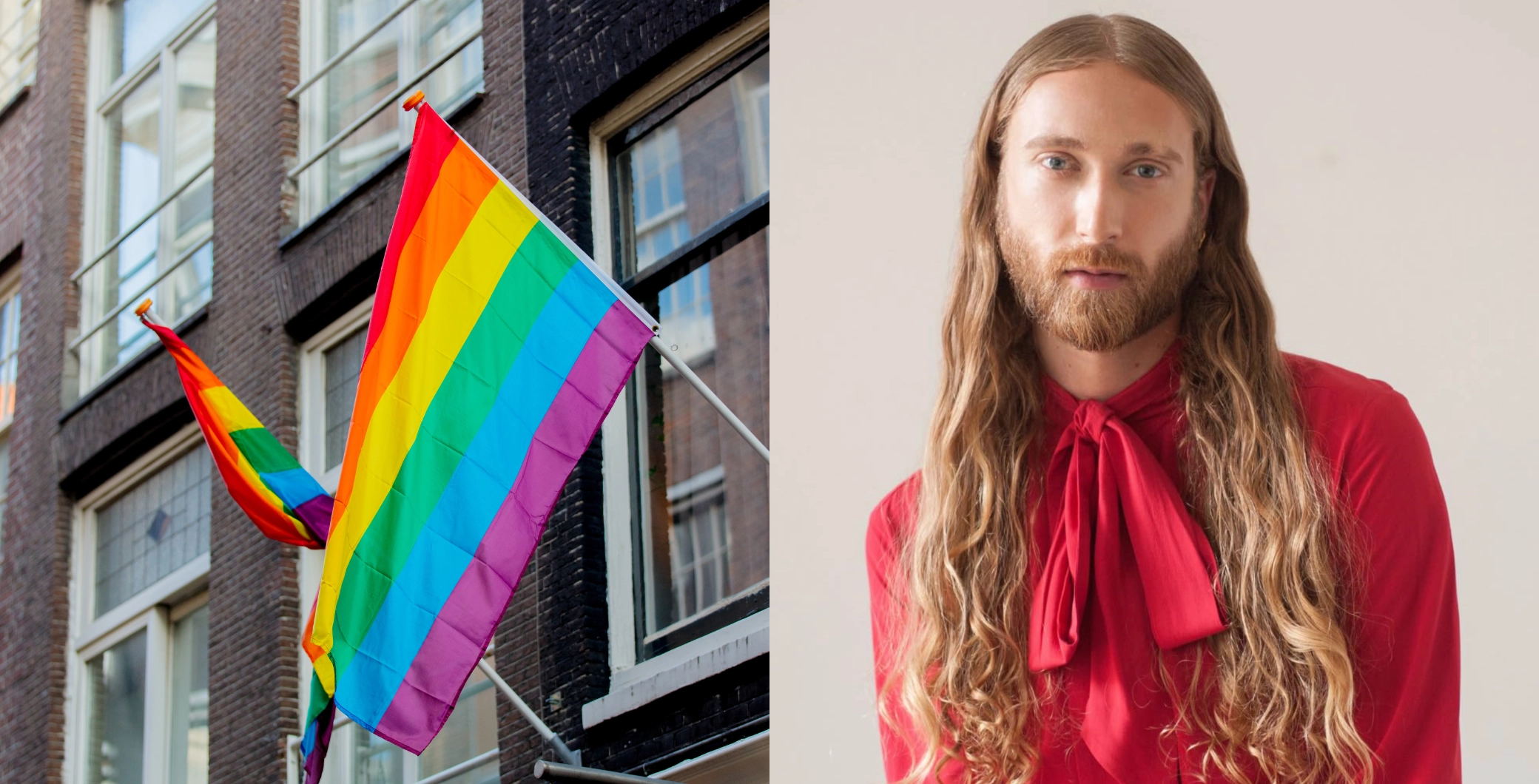
As Pride flags return to storefronts and social media feeds this June, non-binary creator and advocate for Queer rights Myles Sexton says meaningful support for 2SLGBTQIA+ communities is becoming increasingly difficult to find.
Myles Sexton is a well-known influencer, model, advocate and educator in the GTA, working to decrease stigma against 2SLGBTQ+ communities through various advocacy campaigns on social media. This Pride Month, the Toronto influencer is drawing attention to decreasing funding and opportunities for Queer organizations and creators.
Data from fundraising platform CanadaHelps shows that 2SLGBTQIA+ organizations in the country have lost nearly 30 per cent of donors since 2020, Sexton explained, even as the cost of operating their crucial services has increased.
Read More
That loss of funding has real-world consequences for Queer communities across Canada who rely on these services for things like housing assistance, STI prevention, mental health support and healthcare.
“They rely on that funding in order to access life-saving care,” they told Queer & Now. “Less crisis lines are being answered, more of the community-based support systems are not available because jobs will have to be cut.”
But for Sexton, the issue extends beyond donations. They argue many companies continue to treat Pride as a seasonal campaign rather than a year-round commitment to the Queer community. This is something that they say needs to change.
“I think organizations need to go beyond just putting up a rainbow flag,” they explained, adding that businesses should focus on educating staff, creating safer workplaces through diversity, equity, and inclusion (DEI) training, hosting community fundraisers and investing directly in organizations that are dedicated to 2SLGBTQ+ communities.
Decreasing funding, increasing attacks
The advocate explained that while many Canadians view growing attacks on 2SLGBTQ+ rights as an issue that primarily exists below the border, data shows that the same issues are happening right here at home.
“I think often a lot of people think that what’s happening in the U.S. isn’t impacting us in Canada, but it is,” Sexton shared.
Pointing to recent debates around gender-affirming care and policies affecting transgender youth, Sexton argues Canada is not immune to the political shifts happening elsewhere.
“The fight is not over in terms of just trying to have equal rights and for our community to just be able to exist and live their lives,” they said. “It’s quite scary to think that the pendulum is swinging backwards in many ways.”
Read More
Data from Statistics Canada shows that police-reported hate crimes targeting gender identity or expression have nearly tripled since 2020. While reported hate crimes targeting sexual orientation declined from a record high in 2023, they remain significantly above pre-pandemic levels, underscoring the ongoing issue of homophobia and transphobia in Canada.
This comes as activists continue to sound the alarm about what they describe as a rollback of transgender rights in Alberta, including restrictions on gender-affirming care for youth and policies affecting pronoun use in schools and participation in sports.
As a non-binary person working as an influencer, the changing political climate has also affected Sexton personally. Historically, Pride season has seen them frequently taking on projects focused on 2SLGBTQ+ visibility, with May and June historically being one of the busiest and most financially important times of the year for them. But 2026 has been markedly different.
“Outside of this CanadaHelps fundraiser that I’ve been doing, I actually haven’t gotten any brand partnerships with any other companies this year for Pride,” Sexton said.
According to Sexton, Pride-related campaigns have traditionally accounted for the majority of their annual earnings, making about 75 per cent of their income.
“I’m seeing it so much more on a larger scale where many other members of the community are also feeling it,” they explained. “We’re not getting hired for jobs anymore.”
The importance of Queer representation
For Sexton, that decline in Queer-focused campaigns raises concerns about 2SLGBTQ+ visibility, because representation played a crucial role in their own journey.
Growing up in Brooklyn, Nova Scotia, a town of roughly 1,000 people, the model shared that they rarely saw Queer people represented in media, advertising or public life.
“I felt so isolated in my little town,” Sexton said. “I didn’t feel like I could be a part of this world.”
The lack of representation took a toll on their mental health, and at 35 and now living and thriving in the Greater Toronto Area, it’s something that they’ve tried to combat throughout their career.
“I wish that there were campaigns where I could [have] seen visible Queer people, but there weren’t,” they explained. “I didn’t see them on TV. I didn’t see them in the magazines I was looking at.”
Today, Sexton worries that shrinking corporate support could limit opportunities for the next generation of 2SLGBTQ+ youth to see themselves reflected in the world around them.
“I think having visibility within these campaigns allows young people, especially, to be able to see themselves in someone,” they said. “To know that they can strive towards something bigger than maybe the little town they grew up in.”
As Pride Month continues, Sexton hopes Canadians will move beyond symbolic gestures and consider how they can support LGBTQ+ communities throughout the year.
“People think that things have improved so well that everything’s good, but it’s not,” they said. “There’s still so much more work to be done.”
Raising funds to combat rising hate
While funding for many organizations is dwindling this Pride, Sexton is partnering with CanadaHelps to raise money for five 2SLGBTQ+ serving organizations:
- Rainbow Railroad, an international human rights organization supporting at-risk 2SLGBTQIA+ people by creating pathways to safety and advocating to strengthen policies and systems that support their protection and integration.
- The Canadian Foundation for AIDS Research, a Toronto-based charity working to combat HIV-stigma and to end Canada’s HIV epidemic by leading national strategies to increase prevention, testing, treatment and linkage to care.
- The 2-Spirited People of the 1st Nations, a Toronto-based non-profit providing social services for First Nations, Metís and Inuit Two-Spirit people.
- Egale Canada, a national organization advocating for 2SLGBTQIA+ people and issues, changing lives through research, education, awareness, and by advocating for human rights and equality.
- Skipping Stone, an Alberta-based charity providing affirming care to Two-Spirit, trans and gender-diverse youth, adults, and families.
You can find out more about Sexton’s fundraiser and make a donation through CanadaHelps.


