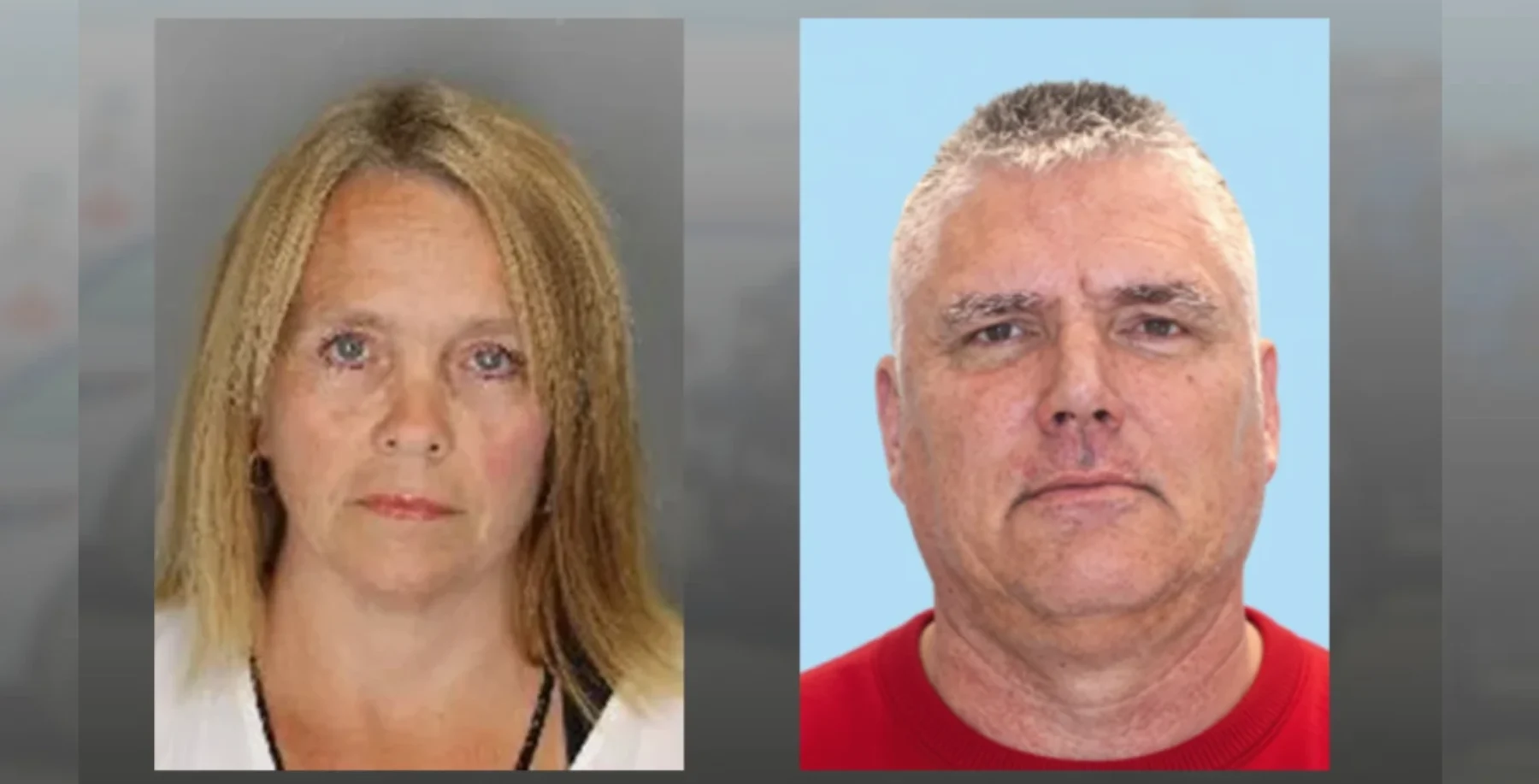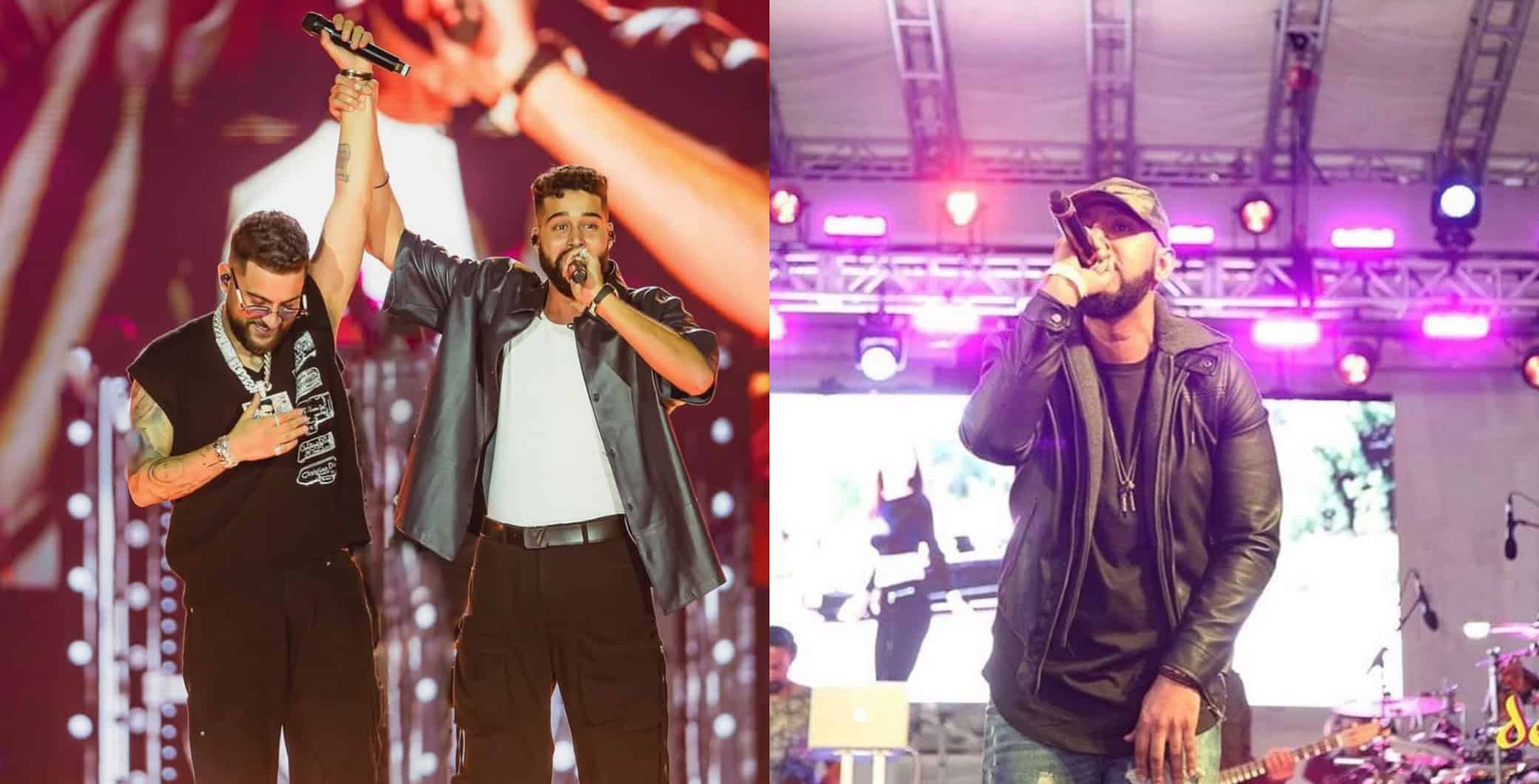
Canadian rapper AP Dhillon made history by winning the JUNO’s first-ever South Asian Music Recording of the Year, giving the genre the recognition it deserves for its influence on the Canadian music industry.
Dhillon moved to Vancouver in 2015 as an international student, as depicted in his Amazon documentary First of a Kind filmed in 2023. He first gained popularity by posting music on YouTube and Spotify, eventually hitting millions of listeners, and attracting the attention of Universal Music Canada.
“The fact that the JUNO Awards introduced a brand-new category for South Asian Music Recording of the Year shows just how far this genre has come and the impact it is having on the Canadian music industry. AP Dhillon is a pioneer in the Punjabi hip-hop space,” Universal Music Canada Hip-Hop and South Asian Marketing Manager Charnjot Shokar told Now Toronto.
Dhillon was also one of the first artists to perform in Punjabi at the JUNOs last year. This was the same ceremony that saw Karan Aujla win the TikTok Fan Choice Award, who received backlash for performing due to not being a Canadian citizen.
Read More
The Canadian Academy of Recording Arts and Science (CARAS) told Now Toronto that the award for South Asian Recording of the Year follows a process similar to the other genres with two voting stages and 10 anonymous judges who have unbiased roles within the music industry.
“All judges must be Canadian Citizens or Permanent Residents actively working in the Canadian music Industry. The purpose of Round 1 Voting is to determine the 5 JUNO Award Nominees,” CARAS said.
PIVOTAL TIME FOR SOUTH ASIAN MUSIC IN CANADA
South Asian urban music pioneer and Mississauga native Blitzkrieg became one of the first Punjabi artists to popularize what is known as “Desi Hip Hop,” after Jay-Z collaborator Punjabi MC flew him and Scarborough rapper Roachkilla to the U.K. in 2002.
Speaking about Dhillon’s recent JUNO win, Blitzkrieg told Now Toronto that we are currently at a pivotal time for South Asian music in Canada.
“We could either make it blow up and continue to be here, or it could end up being like a splash in the band like reggaeton was in the early 2000s in America,” Blitzkrieg said.
“Back then, the U.K. was like the hub or the mecca of urban Indian music worldwide. So, Punjabi MC, Dr. Zeus, Ri, Juggy D, RDB, all those guys in the late 90s and early 2000s. If you wanted to make it in the urban Indian music industry, you had to have prevalence in the U.K. if you want to blow up,” Blitzkrieg said. “It was like how Hip-Hop was in New York.”
Blitzkreig was one of the first Indian rappers to collaborate on a song with Choclair and Saukrates, and ended up getting signed to Universal Music India.
“When we would go to Hip-Hop ciphers and stuff like that in Toronto, there were no Indian people, no Indian people like me. Roachkilla, maybe one, two other guys. It was actually a disadvantage because no one would take you seriously,” the rapper said, as he pointed to all of the CD albums signed by major labels Sony Music and Universal Music in the U.K. and India that he still receives synchronization licensing deals from.
Blitzkreig says now there are ciphers full of Indian rappers who weren’t born and raised in Canada, but it’s an opportunity to create true fusion between immigrants and first- and second-generation South Asians.
Read More
“This is the beautiful side of immigration. We open up our doors to new songs and thoughts. It’s very healthy. It makes the system a lot stronger… we have some homegrown artists and some we have to import,” Desifest organizer, entrepreneur, and author Sathish Bala told Now Toronto.
SUPPORTING THE NEXT GENERATION
Practicing over 25 years to establish their craft, Blitzkreig, Bala, and fellow Desi urban music artists like Noyz and Gurv, started organizing community events in the Greater Toronto Area to support the younger generation of South Asian music artists.
Read More
One of these recurring events is DesiFest. It’s Canada’s largest South Asian music festival for the last 19 years, which has rocketed the careers of Jonita Gandhi, Yanchan, Fenifina, and Spitty.
“There’s our version of the culture, and [the] mainstream version of the culture they think they’re supporting, and the shine always seems to be on one segment. If Punjabi music is making the most noise, I get it, but we have to look at other vehicles,” Bala said.
Shokar says that social media plays an important role in reaching communities and listeners who consume music differently, especially for fans in India who rely on platforms like YouTube to discover artists.
Bala has also started running a monthly community open mic in Toronto, which has seen between 80-100 South Asian artists walking through the doors to perform.
“Bureaucracy blocks passion. Every 8-10 years, the market significantly changes. We have to break down old rules and come up with new rules. We haven’t changed since 20 years ago. Desifest is the representation of the growth of this market and we need to elevate the entire community, Bengalis to Tamils to Fijians to Srilankans,” Bala said.