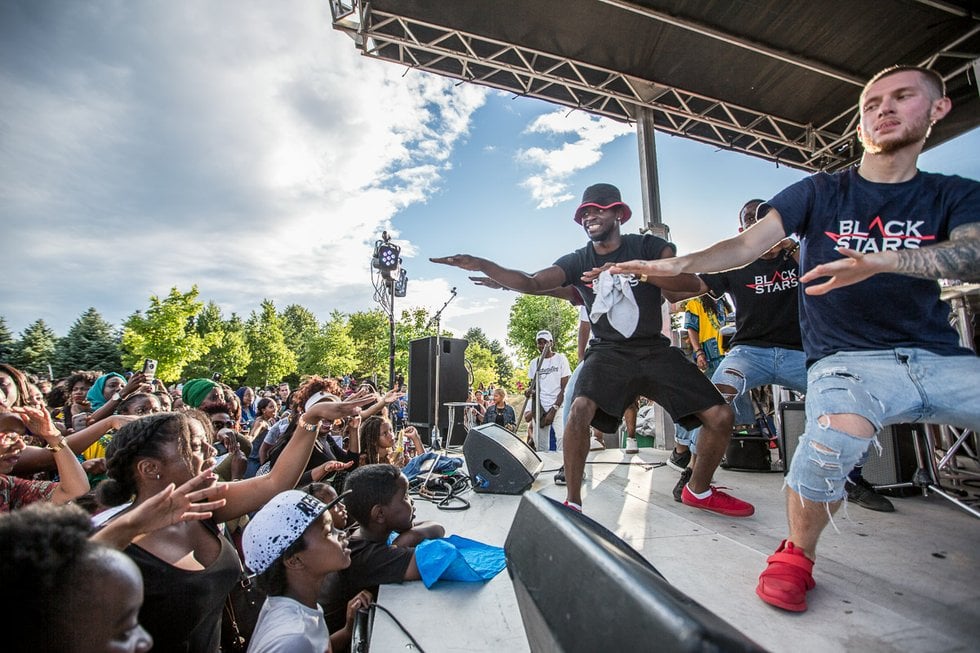
AFROFEST at Woodbine Park, Saturday and Sunday, July 9 and 10. Rating: NNNN
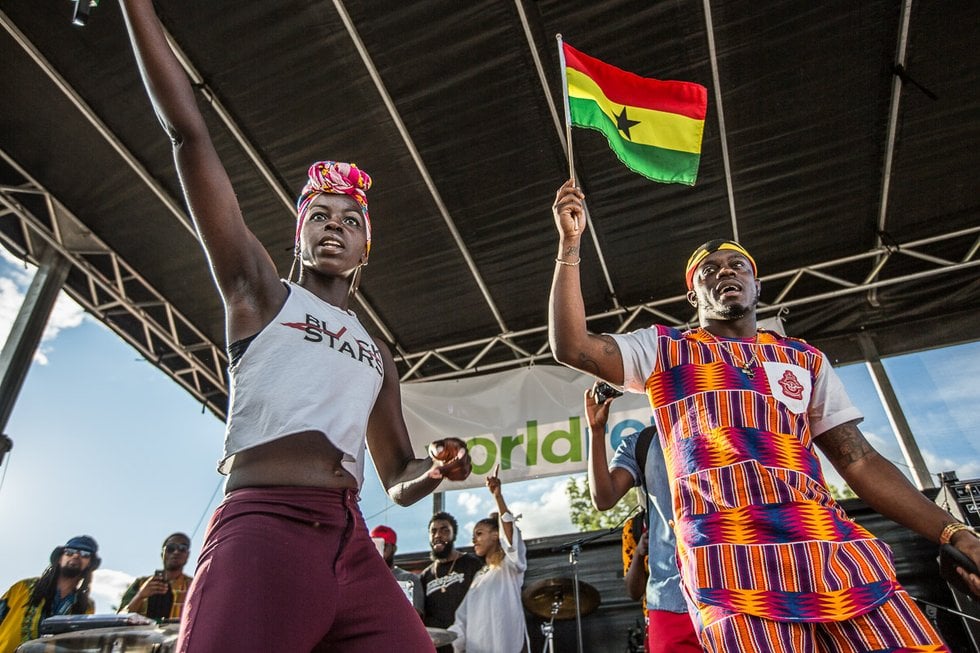
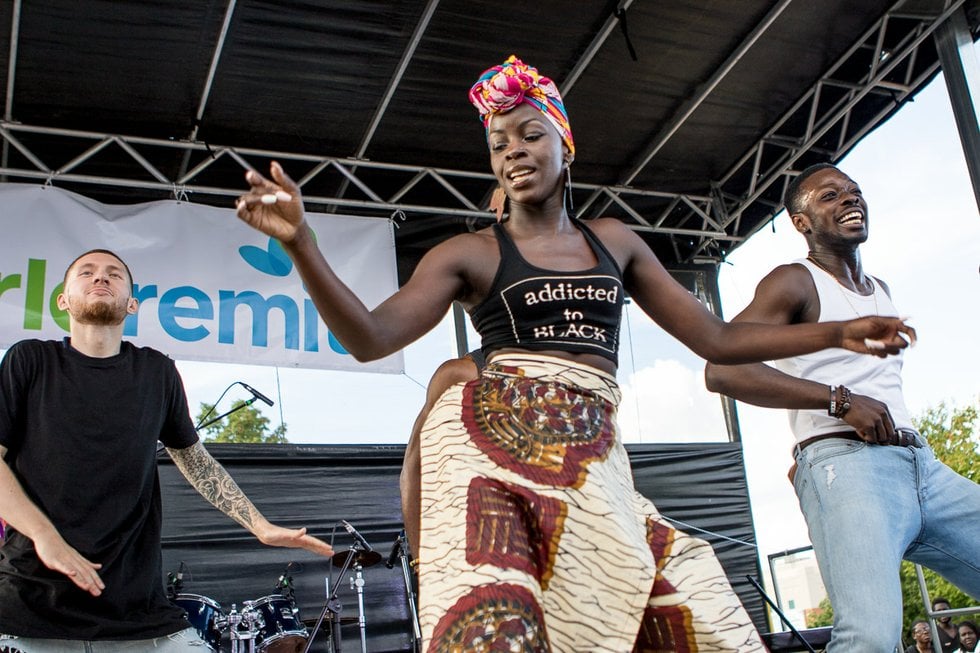
Between the life-breathing colours of a kente cloth market and a group of people debating which African nation makes the best jollof rice stood the entrance to Afrofest‘s utopia of sights, smells and sounds. You could easily forget geography on the hills of Woodbine Park, the stomping ground for Toronto’s 28th annual festival of African culture.
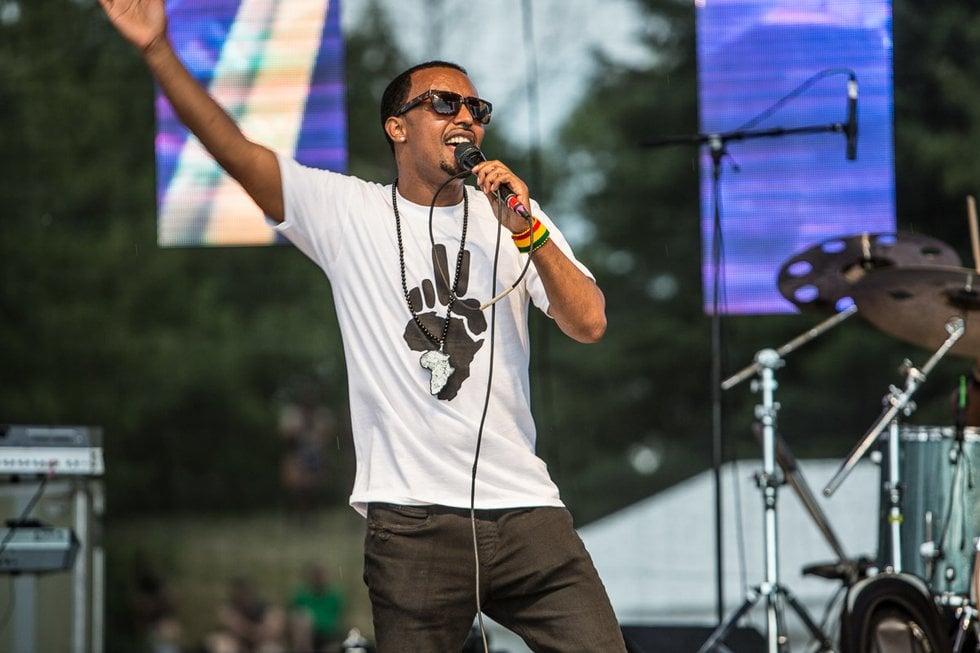
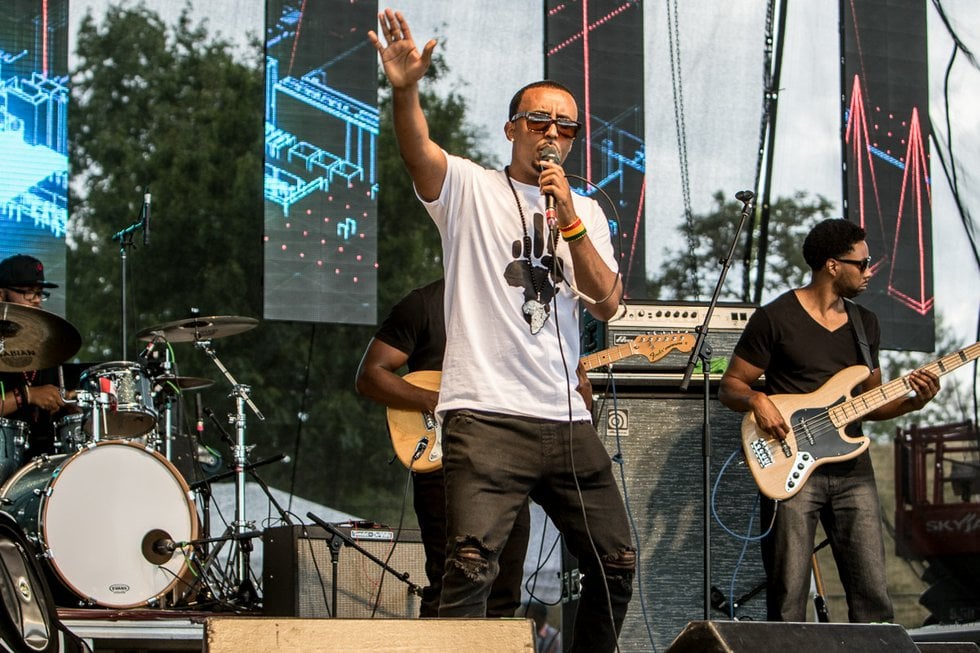
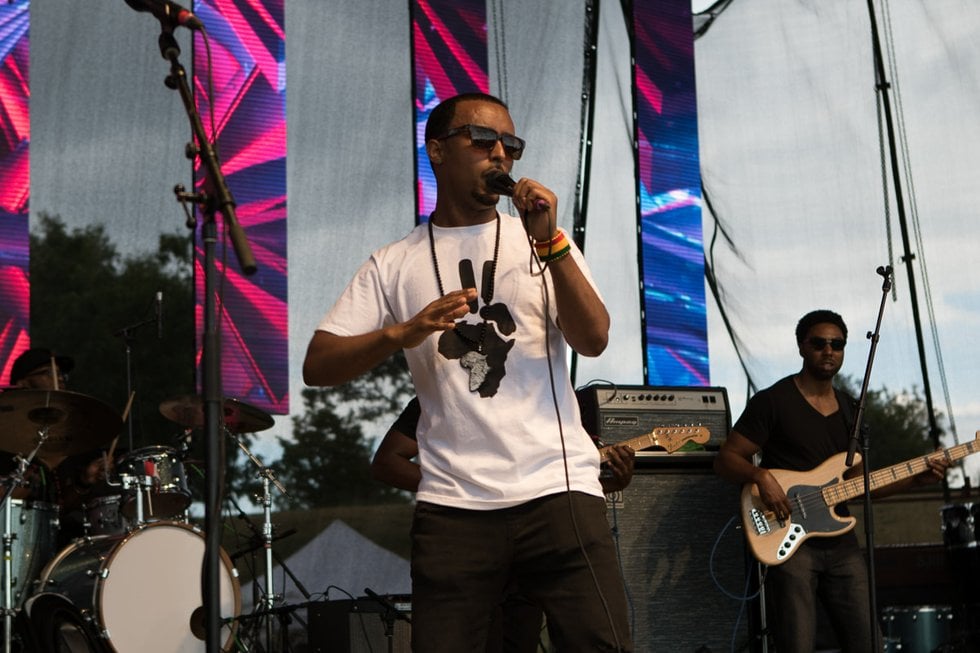
Attendees were spoiled by two action-packed music stages and over 60 stalls hawking food, fashion and art. But it was Nati Haile’s Ethiopian performance that truly tested the crowd, as looming clouds broke into rainfall that beat as hard as the drums onstage.
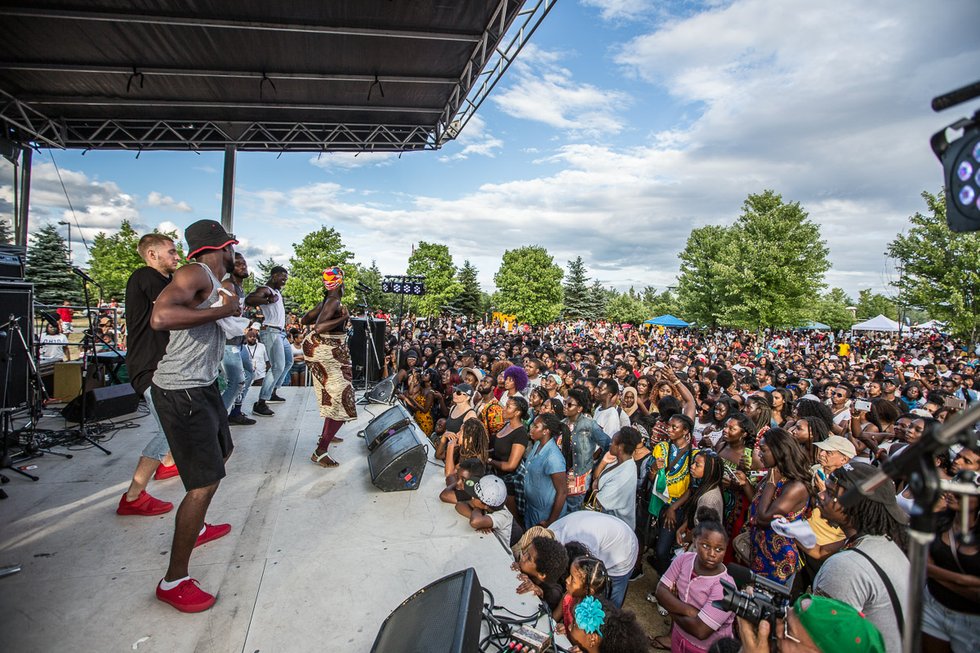
Imagine the sight of thousands facing the toss-up between good hair and the muddy dance floor in front of the seven-piece band. “Move your shoulders up and down, side to side like this,” said Haile as he danced, beckoning onlookers out of hiding.
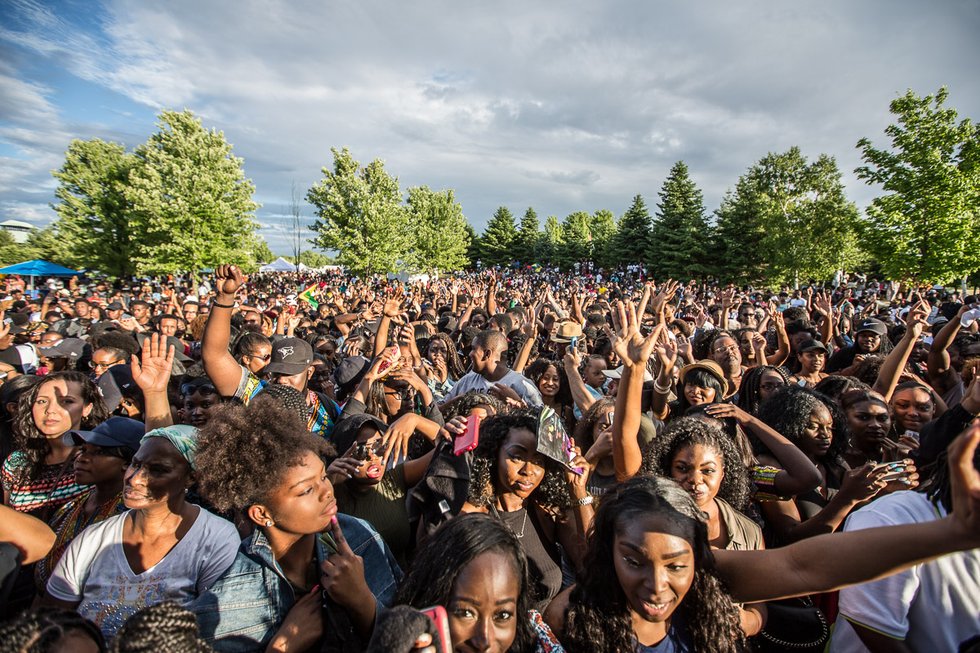
By the time the sun returned, the family-friendly event had hit its peak, drawing over 40,000 people on its first day.
In 2000, Afrofest expanded from a one-day event into a two-day festival. By 2012, gatherings had grown to 100,000 visitors. Then in March this year, the city made the controversial decision to restrict North America’s largest African music festival to a single day due to noise complaints and alleged curfew violations last year, but a successful online petition prevented that downsizing.
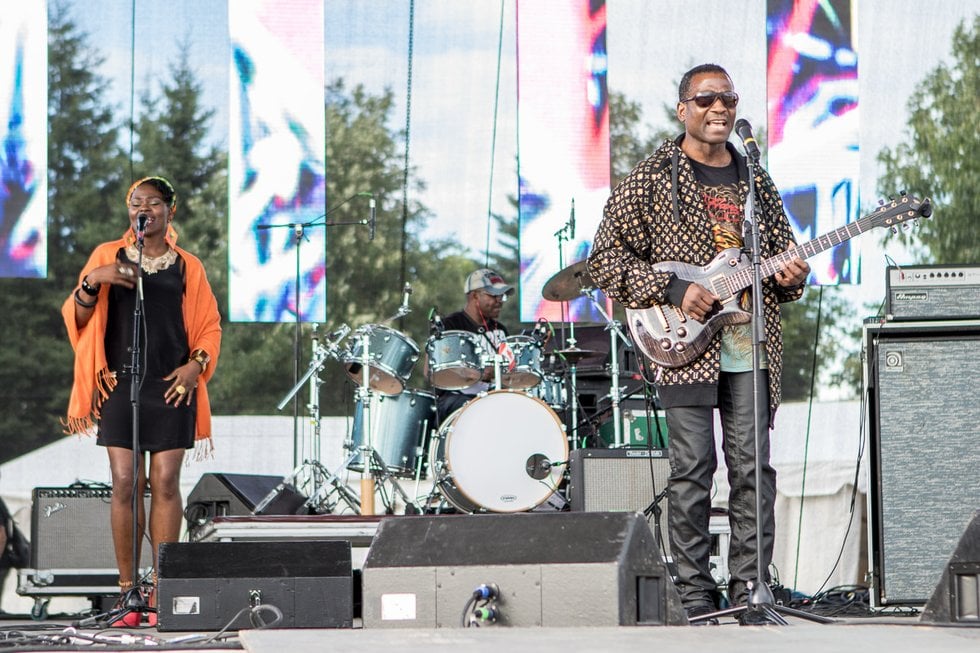
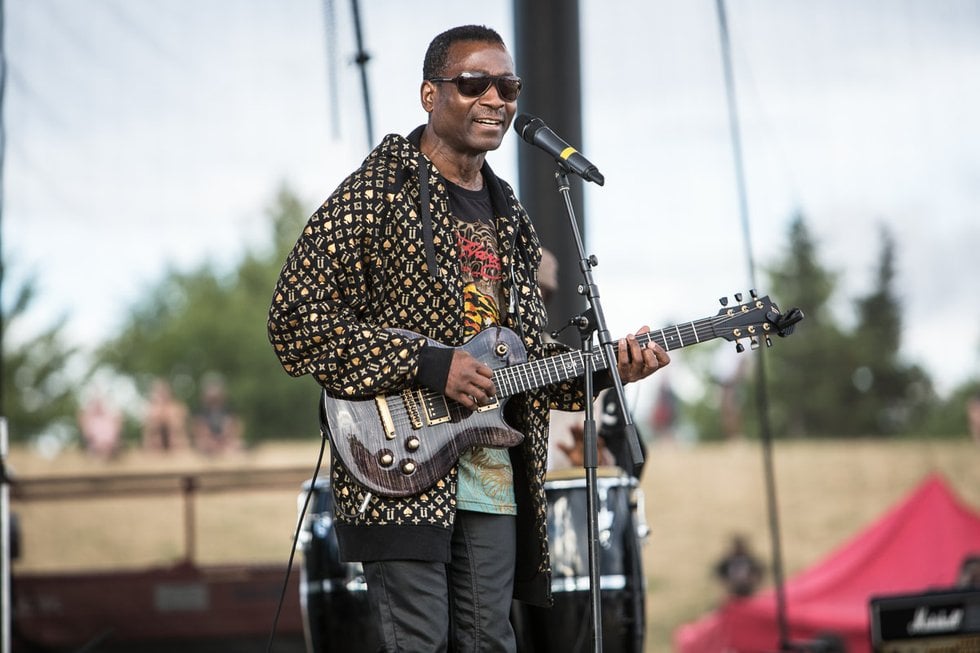
Show-goers continued to pour in throughout Saturday, while Afrobeat sounds kept hips steadily swaying the combination of Ghanaian and Nigerian music played while Cameroon’s Toto Guillaume took over the main stage, bringing the feel-good harmonics of Central Africa.
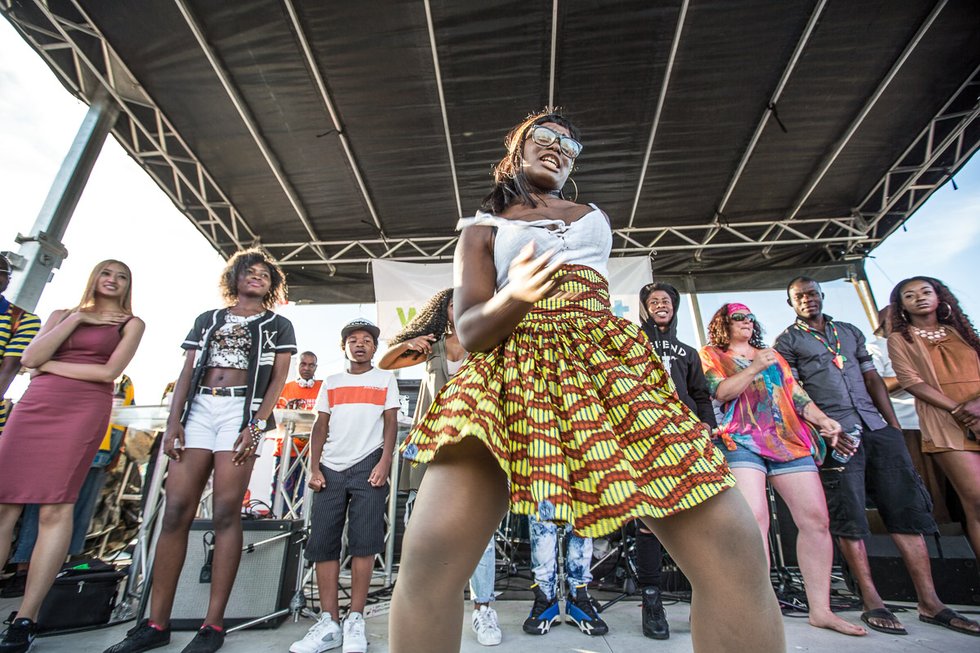
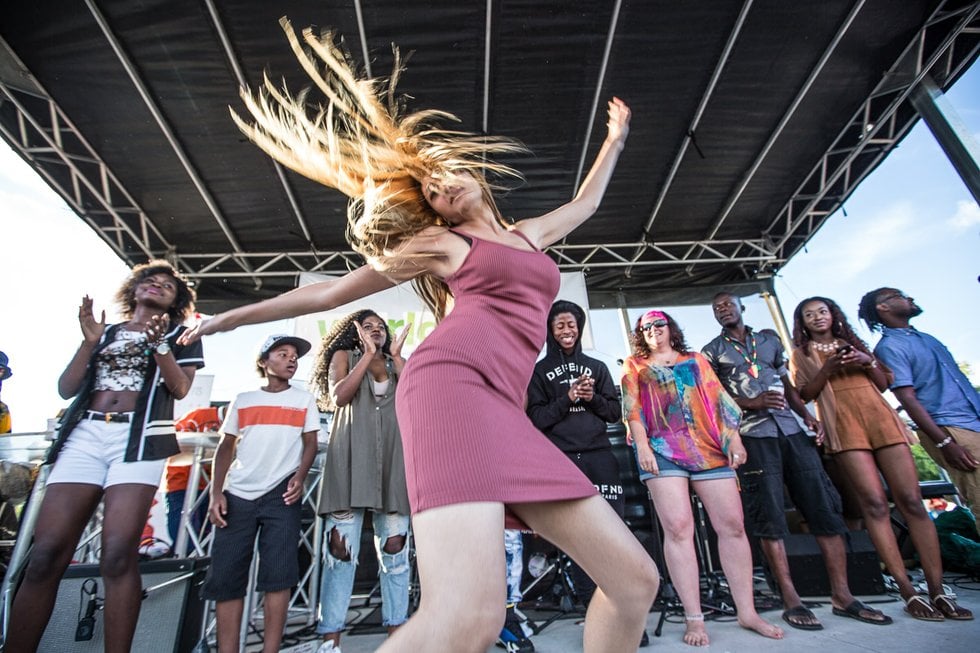
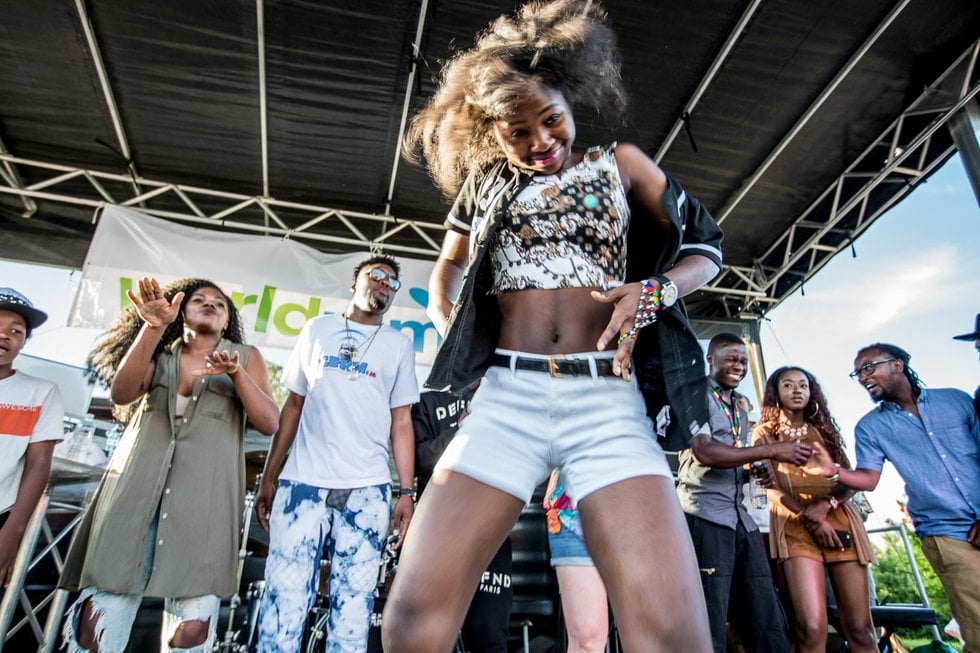
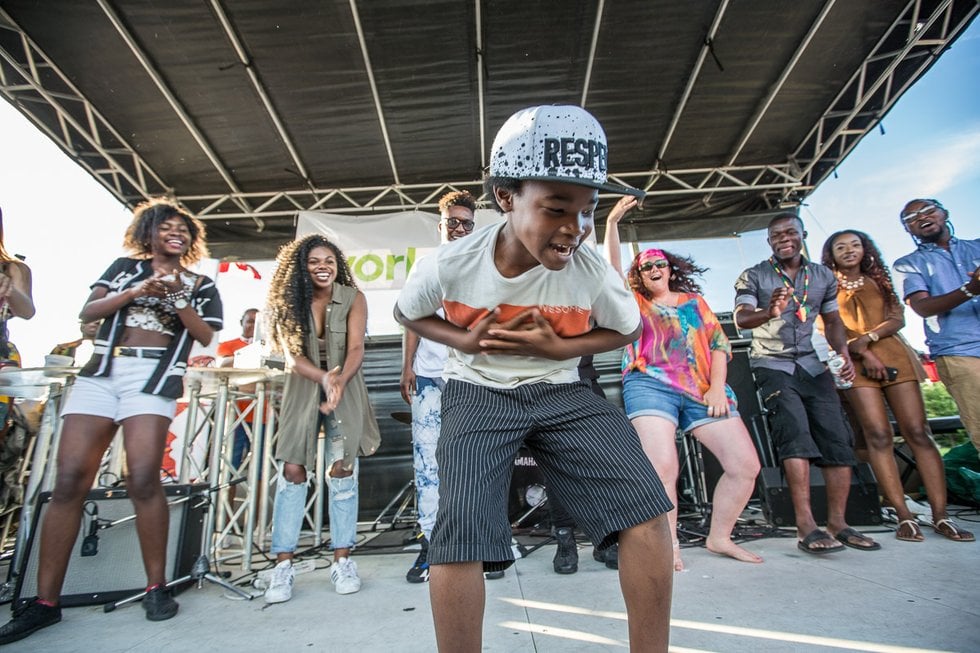
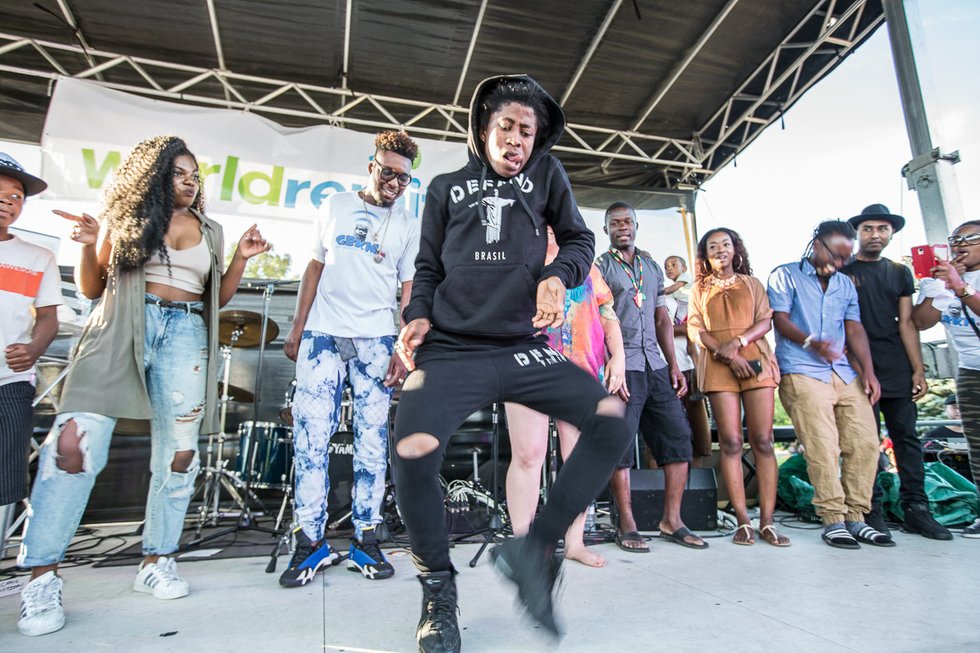
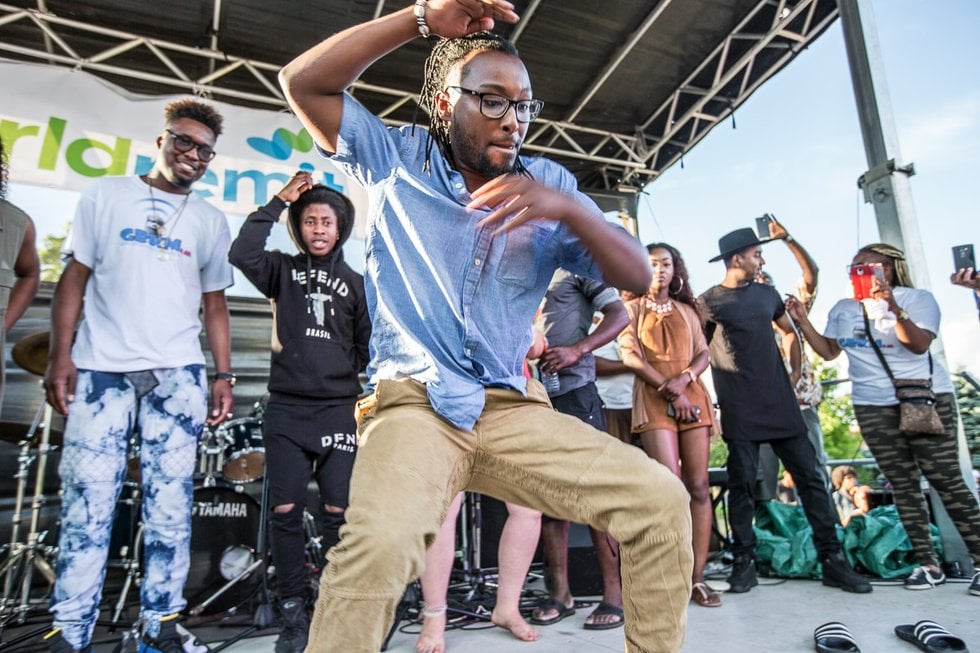
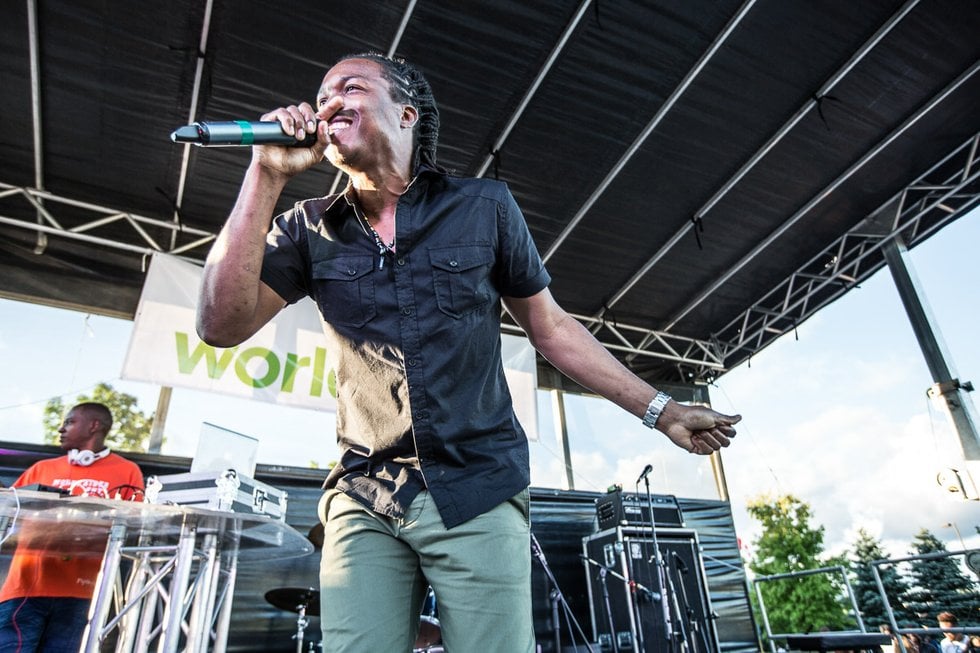
On the Baobab stage, known for attracting a younger crowd, volunteers plucked from the audience took part in the famed dance competition, proving that the people who show up are just as important to the spectacular affair as the endless entertainment.
music@nowtoronto.com | @Jessica_Ankomah