What to know
- Vets recommend keeping dog walks to 10–20 minutes when wind chills dip below -20 C, with smaller breeds needing even shorter outings.
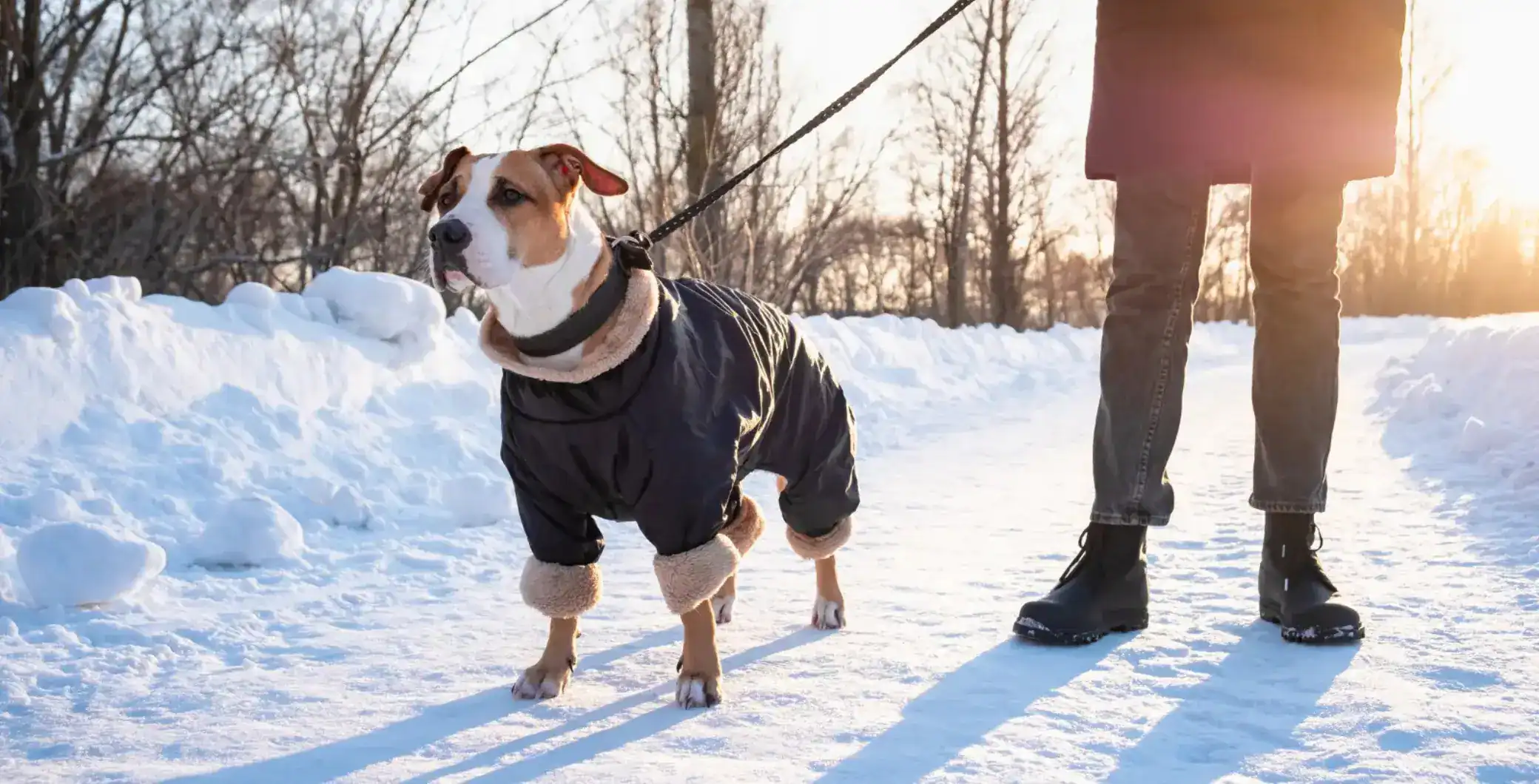
- Sweaters, jackets, and especially boots can help keep pets warm and protect paws from road salt irritation.
- Shivering, lifting paws, or excessive licking may signal discomfort or frostbite—owners should head indoors and consult a vet if symptoms persist.
- Most cats should stay indoors during extreme cold, while community members are encouraged to support feral cats by ensuring access to winter shelters.
Two Toronto vets are giving out tips to help keep your dogs warm, including how long they should stay out for walks, amid a cold snap that’s making the city feel close to -25 C this weekend.
This winter is certainly not being gentle on Torontonians, and it’s expected to get colder. As the city currently faces a snowfall warning, only a week after a snow storm left up to 35 cm of snow on the streets, a cold front is now expected to hit the city over the weekend.
The chilling snap will bring temperatures down to a low -22 C on Friday, with the wind chill making it feel closer to -25 C.
Read More
While some residents might have the privilege of staying inside when it’s cold, some pet owners are still required to face the below-freezing temperatures to take their animal companions for their daily walks.
Now Toronto spoke to two experts to figure out how owners can make sure their pets stay safe and cozy, even when winter is in full force.
HOW LONG SHOULD YOUR PET BE OUTSIDE?
Toronto Veterinary Clinic’s Dr. Harmeet Jassal tells Now Toronto that it all depends on your dog’s breed and comfort level.
In general, the vet recommends keeping walks between 10 to 20 minutes when wind chills reach below -20 C to avoid frostbite or other issues. However, it all depends on how much your fluffy companion can stand in the cold.
“It depends on the size of the dog, right? So, big dogs can probably tolerate a bit more than small, little dogs,” he told Now Toronto on Wednesday. “Snow breed dogs, [such as] Huskies and German Shepherds, those guys like it a little bit better.”
Meanwhile, smaller dogs like Chihuahuas or Yorkshire Terriers might have a harder time tolerating the cold, and should be spending less time outside.
For these little ones, Jassal recommends limiting the walks to up to a maximum of 10 minutes when the weather reaches very cold levels.
Pet owners should also stay on top of any signs their dogs might be uncomfortable or too cold. According to Toronto Animal Services vet Dr. Hanna Booth, if the animal is shivering or showing signs of paw discomfort, it might be time to head inside.
“Your pet’s probably going to be in tune with you, and let you know if their feet are hurting, if they potentially need booties… Pay attention to what your pet needs. If they’re looking up at you [or] holding up their paw, you [should] probably cut the walk short and head home,” she said.
IS WINTER GEAR NECESSARY?
Your dog might be super fluffy, but even their fur might need some help keeping up with a very cold winter day.
Jassal recommends dressing up your pet with sweaters, jackets, and boots to help them stay warm and prepared for their daily walks (besides making them look adorable).
In addition to keeping their paws warm, boots are also useful in protecting them from salt on the road, which can cause irritation.
“The salt that they use is magnesium salt… On contact, they warm up… [and] can cause irritation to the dog’s paws,” he said. “So, if you notice, a lot of times after a dog comes back from a walk, it’s licking its paws non stop, and a lot of that can be due to irritation because they don’t have anything protecting the paws.”
POST-WALK CARE
The work to keep your pet warm doesn’t necessarily end when the walk is over.
According to Jassal, it is important to clean out any snow or water left in their fur and make sure they are dried out after coming home to avoid them becoming even colder or causing knots.
“A lot of times, snow sticks on the fur and it becomes like little bumps up [as] the snow gets clumped on the fur. So, a lot of times, people don’t clean all the fur off and know if the dogs are wet after [the walk], it’s still cold.”
The vet also recommends keeping the pet close to a heater or fireplace—as long as it’s not too hot—so they can warm up after the walk.
Moreover, owners should also be monitoring their pets for any signs of frostbite, which include pale, gray or red skin, any swelling, or excessive licking or poking of their ears, tails, or paws. In any case, Jassal says dogs should be brought to the vet for a check up.
WHAT ABOUT CATS?
Meanwhile, Booth adds that most cats should be kept inside when temperatures reach freezing-cold levels.
She also urges owners and community members to keep an eye out for feral and wild cats outdoors who might need care.
“There are shelters that we build for those feral cats to keep them warm. So, those are like insulated tupperwares that have hay and reflective kind of insulation. So, anybody that knows of community cats outdoors to make sure that they have these outdoor shelters can be life saving for them.”
The Toronto Humane Society and Toronto Street Cats work to build winter shelters for wild cats in Toronto, with more than 2,000 of these shelters spread across the city. For more information on these shelters, including how to build them, visit the Toronto Street Cats website.