What to know
- Olivia Chow has launched a new TikTok account specifically for her mayoral re-election campaign, separate from her existing account as mayor, as the Oct. 26 election approaches.
- TMU political communication professor Greg Elmer said the move is a strategic way to expand Chow’s reach, particularly among younger voters, and suggested other candidates could consider TikTok if they want to connect with that demographic.
- Elmer said TikTok should complement traditional campaigning rather than replace door-knocking and face-to-face conversations. He said candidates can use short videos to reinforce their platforms and quickly capture voters’ attention.
- Candidates also need to make their content relevant and authentic while being aware of social media risks. Elmer said simply creating an account is not enough and emphasized that politicians should listen to younger voters rather than simply “speak at them.”
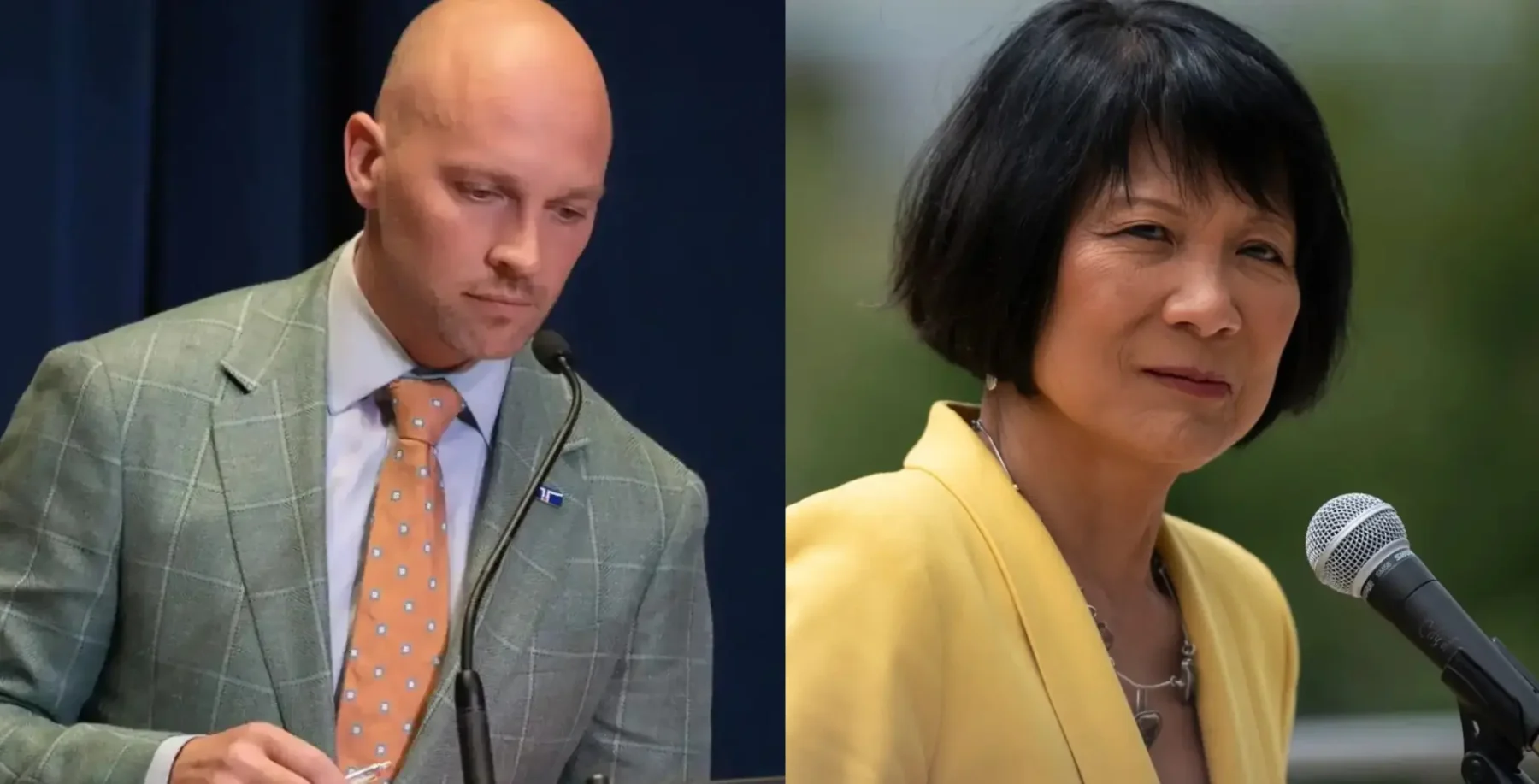
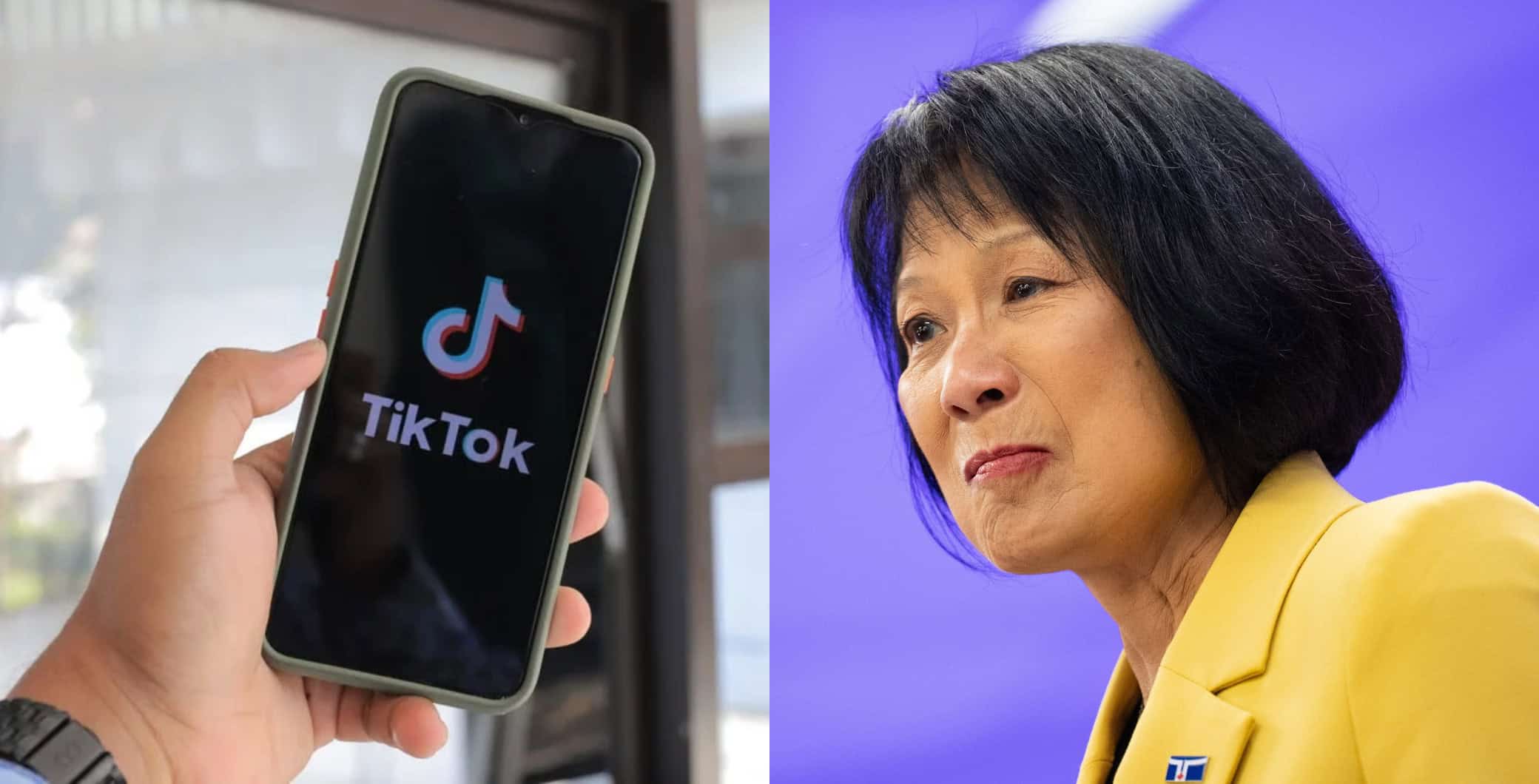
Toronto mayoral candidate Olivia Chow has taken her campaign to TikTok, creating a new account separate from her existing account as mayor. One expert tells Now Toronto it may be a move all the candidates should be considering ahead of the Oct. 26 election.
Chow’s new TikTok account gives her another social media platform to share campaign-related content as the race enters its final weeks.
“I’m running for re-election,” she told Torontonians in her first video.
Chow’s move to TikTok targets the platform’s younger population, with a significant number of users in Canada being under 30-years-old.
Mayoral candidate and Chow’s main opposition, Brad Bradford, already had quite the presence on TikTok and social media as a whole prior to Chow.
@bradbradfordto I love this city and I’m running for Mayor because Toronto deserves better. Safer streets, less gridlock, and a city that works again. I’m focused on three priorities: crime, congestion, and costs. Let’s build a city we can be proud of.
♬ original sound – Brad Bradford
Chris Alexander is one mayoral candidate who doesn’t have a TikTok during his campaign as of publication.
Social media continues to play a role in how political candidates communicate with voters, particularly younger audiences, in recent years.
Greg Elmer is a professor at Toronto Metropolitan University who focuses on political communication. According to him, the decision to create a dedicated campaign account seems to be part of an effort to expand Chow’s reach.
“Most polls have suggested that younger, under–28, under-30 voters tend to skew more middle-left of centre, which is exactly what the mayor is looking for,” Elmer told Now Toronto. “It’s a strategic move. It’s a good move for her campaign.”
The new TikTok comes after Chow formally launched her re-election campaign on Sept. 9.
Should other mayoral candidates jump on to TikTok?
With election day approaching, Elmer said social media can help grab voters’ increasingly short attention spans.
“I think visibility is everything these days,” he said, noting a scrolling society has led to short attention spans looking for a quick hook.
“We’ve all heard of ‘doomscrolling ’; you see it everywhere,” Elmer said.
For campaigns, Elmer said TikTok is another way to put their message in front of potential voters.
“It’s just another piece of the puzzle in that attention economy, where the campaign is trying to catch just a few seconds of potential voters’ attention.”
TikTok can’t replace traditional campaigning
While TikTok can give candidates another way to reach voters, Elmer said social media should complement traditional campaign canvassing and not replace it.
“It doesn’t replace face-to-face interaction,” he said. “As I was suggesting before, it opens a conversation.”
Instead, Elmer said candidates can use social media to remind voters what they stand for and which issues they are focusing on compactly. He added that this should be done before rallies and door knocking in a way to bolster potential voters’ prior support and knowledge.
Why TikTok?
Elmer said that while younger users are not necessarily going to TikTok specifically looking for political information, political content can become part of the wider stream of entertainment, news and other content they find on the platform.
“I think that all voters are looking to be acknowledged, [and] are looking for candidates to speak to issues which are germane to them, in their homes, in their neighbourhoods, what they see every day, what they see on the city streets, what they don’t see on the city streets,” he said.
“I think that’s primarily what users are looking for: relevance. ‘What does this have to do with me, my family, my friends, and my community?’”
Elmer added that while they campaign, candidates need to be careful about how they present themselves online.
“I think content creators know that they need to kind of brand themselves. They need to kind of look authentic – play an authentic role online, and politicians are not exempt from that, from those pressures as well,” he said.
Politicians also have to keep in mind TikTok’s rules and restrictions, with the platform stating political content can be shared organically, but paid political advertising and promotional tools toward anyone or any party are not allowed.
Is a TikTok account enough?
Elmer said politicians should keep in mind that simply creating an account does not guarantee voters will pay attention.
He also warned that social media can create risks for political campaigns, especially if mayoral candidates attempt to appear more casual online.
“Every campaign going back for 20-plus years now has been dominated by social media,” Elmer explained. “We’ve seen many examples of campaigns and candidates misspeaking or making some faux pas on social media.”
Despite this, Elmer said politicians have become more adept at using these social platforms to strengthen their campaigns.
“It’s all about those first three to five seconds, whether or not you’re going to capture the attention of someone who’s [scrolling on their phone].”
For other mayoral candidates considering a similar approach, Elmer said it depends on whether they are trying to reach the particular demographic that uses TikTok.
“I think if they see value in appealing to a younger audience, then yes, I think it is [a good idea],” he said. “It’s an important platform.”
But Elmer added that the most important part of reaching younger voters may have little to do with the platform itself, and more to do with meeting that demographic where they are.
“Meet voters where they are, where they go to, where they hang out, where they meet their friends, where they work, where they eat, and be themselves,” he explained. “I think the most important thing to do is to listen, is to learn. Not just talk at voters, but to listen to voters and to be seen listening to voters.”
He added that politicians should remain humble while campaigning toward younger voters.
“What not to do is to go and speak at them. That’s the last thing you want to do.”