What to know
- Toronto Mayor Olivia Chow has introduced a motion directing staff to explore options to ban or regulate surveillance pricing, with recommendations expected in early 2027.
- Surveillance pricing uses consumers’ personal data to personalize prices based on what companies believe someone is willing to pay.
- One expert warns the practice raises concerns about affordability, privacy and transparency, particularly as electronic shelf labels become more common in stores.
- Ontario NDP Leader Marit Stiles previously pushed for a provincial ban on surveillance pricing in grocery stores, but her motion was voted down earlier this year.
- Manitoba and New York City have already introduced legislation restricting surveillance pricing, while other jurisdictions are considering transparency requirements.
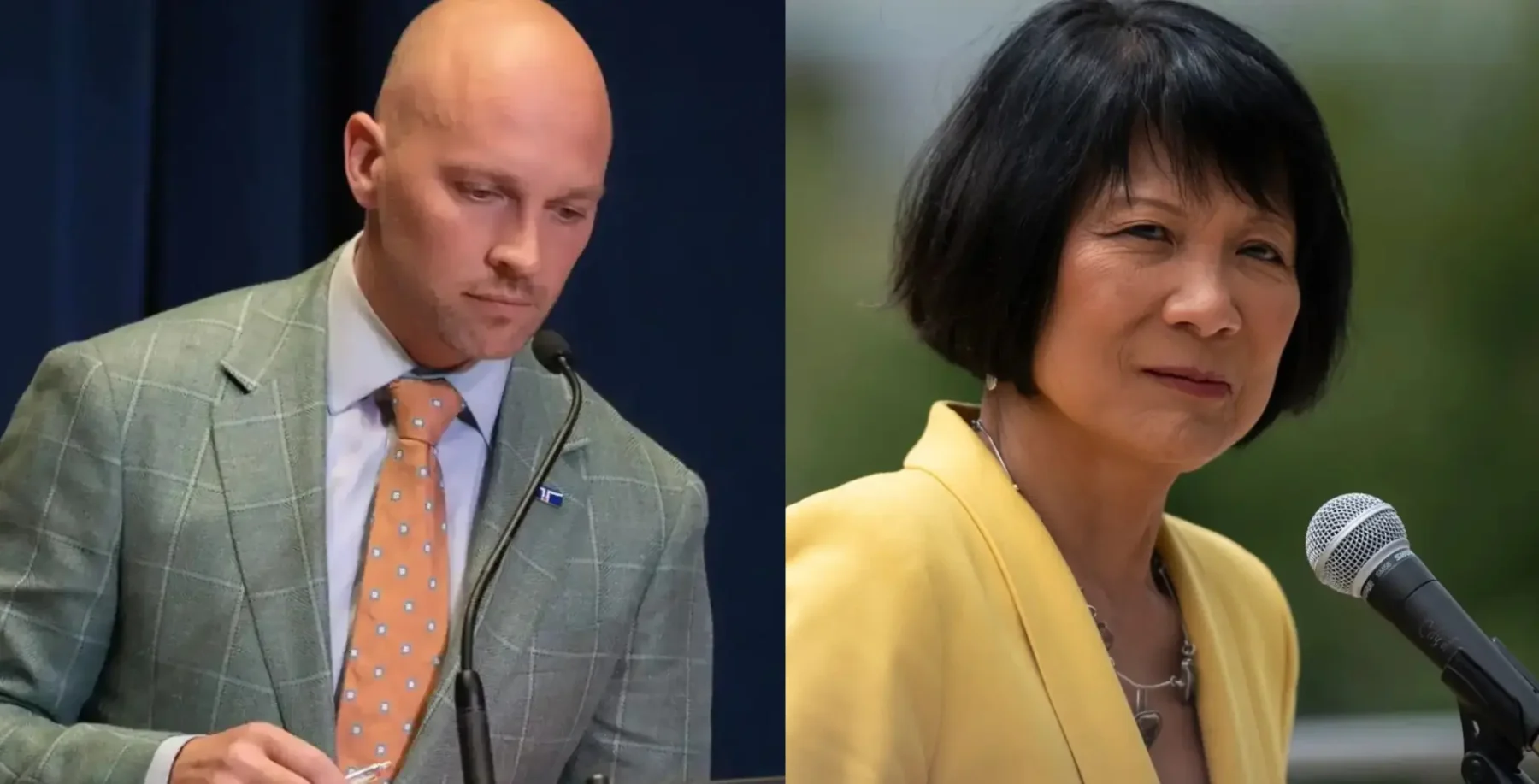
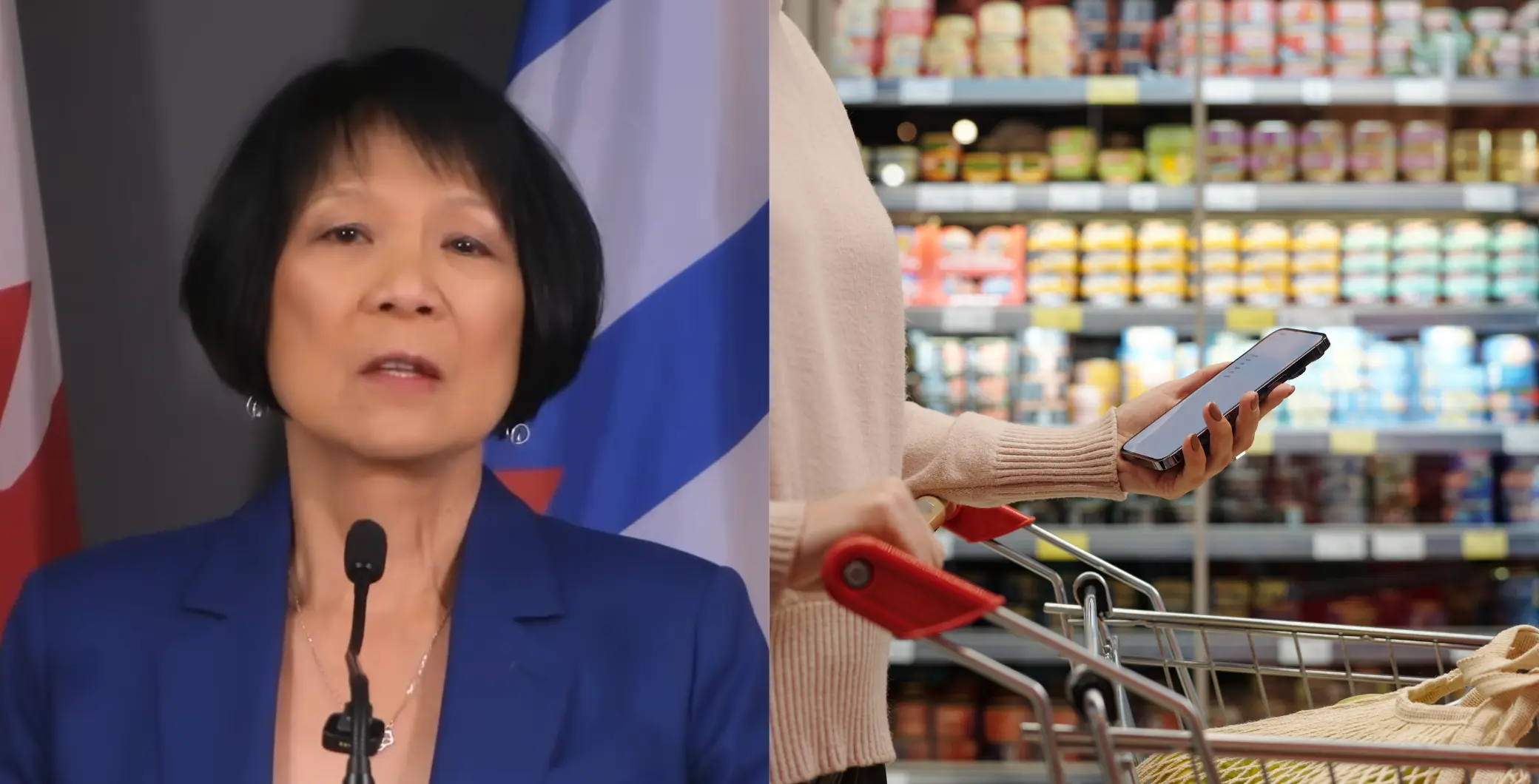
Toronto Mayor Olivia Chow is calling to ban groceries surveillance pricing, calling the technology predatory to residents who struggle with rising costs.
The mayor has introduced a motion to direct city staff to identify possible ways to ban and regulate the practice, with options for a possible ban expected to come for city council consideration in the first quarter of 2027.
As explained by Chow, surveillance pricing is an emerging technology that uses customers’ personal data to determine the pricing for products based on how much they are expected to pay.
According to the mayor, the practice can take advantage of Torontonians, as many already struggle with rising costs, especially over essential items such as groceries.
“The City should address these emerging predatory practices to protect Torontonians and make
life more affordable. As the level of government closest to peoples’ daily lives, we cannot ignore these practices or simply wait for the federal or provincial governments,” she wrote in the motion.
What is surveillance pricing?
Emily Osborne, a policy researcher at the Canadian Shield Institute, explains that surveillance pricing is the use of consumers’ personal data to set prices targeted at individual consumers.
In order to set these personalized prices, companies can use all kinds of information about the consumer, including their search history, the type of device they use, or their gender.
“With surveillance pricing, an airline could charge you more because they know through your browser history that you’ve been searching for funeral arrangements,” she said.
According to the researcher, this practice is not exactly new, but it is becoming more common and sharp, as they can now use artificial intelligence and machine learning tools, and gather more information from the consumers.
Although there isn’t concrete evidence that the technology is being used in physical stores in Canada, Osborne said there are signs that the practice is becoming more common across the country and could potentially be used beyond digital services.
“We’ve seen that Walmart, which obviously has a presence in Canada, has a patent for a tool that would enable them to change the prices of electronic shelf labels. We’re also just starting to see electronic shelf labels in stores more broadly, and that’s concerning because it means that the physical price tag is kind of disappearing,” she said.
In addition, the expert pointed out that the Canadian Competition Bureau published a paper on algorithmic pricing, which concluded that over 60 companies in the country are using tools similar to surveillance pricing in digital services.
Marit Stiles previously raised surveillance pricing concerns
Chow is not the first Canadian politician to raise concerns about surveillance pricing technology.
Earlier this year, Ontario NDP Leader Marit Stiles introduced a motion to ban the practice in Ontario grocery stores, saying businesses were adopting electronic shelf labels that could enable the technology even in physical stores. The claim was based on a Consumer Reports investigation, which found U.S. grocery chains were using AI-powered surveillance pricing tools through apps like Instacart.
At the time, Stiles’ motion was voted down by other Ontario MPPs, prompting criticism from local residents.
Read More
Why is this technology raising concerns?
One of the biggest issues with surveillance pricing, according to Osborne, is the lack of consumer transparency. In many cases, consumers are not aware prices could be changed according to their personal data. This also affects their ability to compare prices between different companies more effectively.
“Surveillance pricing just completely erodes a free market system that is disciplined based on supply and demand. Something else entirely here, and any consumer surplus is being completely eroded, and even if the price variations that you’re going to see with these technologies are quite small, they will compound in the long run,” Osborne said.
In addition, the technology raises concerns about consumer privacy, as they collect all kinds of personal information from consumers, often without their knowledge.
Governments pushing for regulation
Chow and Stiles are not the first politicians to push for surveillance pricing regulation.
Back in March, the Manitoba government amended its Business Practices Act to ban companies from using consumers’ personal information to modify prices of goods, be it online or in physical stores.
At the time, Public Service Delivery Minister Mintu Sandhu said the measure aimed to protect residents from unfair practices and reinforce the province’s efforts to bring everyday costs down.
“These are first of their kind amendments and take aim at the misuse of personal data to inflate prices and ensure consumers are treated fairly whether they shop at the grocery store or other retailers,” he said in a statement.
Last month, New York City’s government approved a similar legislation, which banned surveillance pricing in the city.
According to Osborne, other U.S. governments are also regulating surveillance pricing by adding a layer of transparency.
“States are opting for transparency-based solutions, so requiring that a firm that uses surveillance pricing technology disclose that at checkout to the consumer. I think that’s a good step, but ultimately it’s not going to fix anything because it’s more than just a transparency issue,” she said.