What to know
- Ticks are commonly found at Ontario attractions, including zoos and playgrounds.
- Check yourself and your children for ticks as soon as you get home.
- Ontario does not test individual ticks for Lyme disease, but you can submit photos for identification on etick.ca
- Using tick repellents, staying on pathways, and educating your family can help prevent diseases.
After visiting the African Lion Safari Zoo, an Ontario woman discovered her child had unknowingly brought home a tick. She recounted the experience, and a Toronto Zoo spokesperson shared tips for avoiding ticks during peak season.
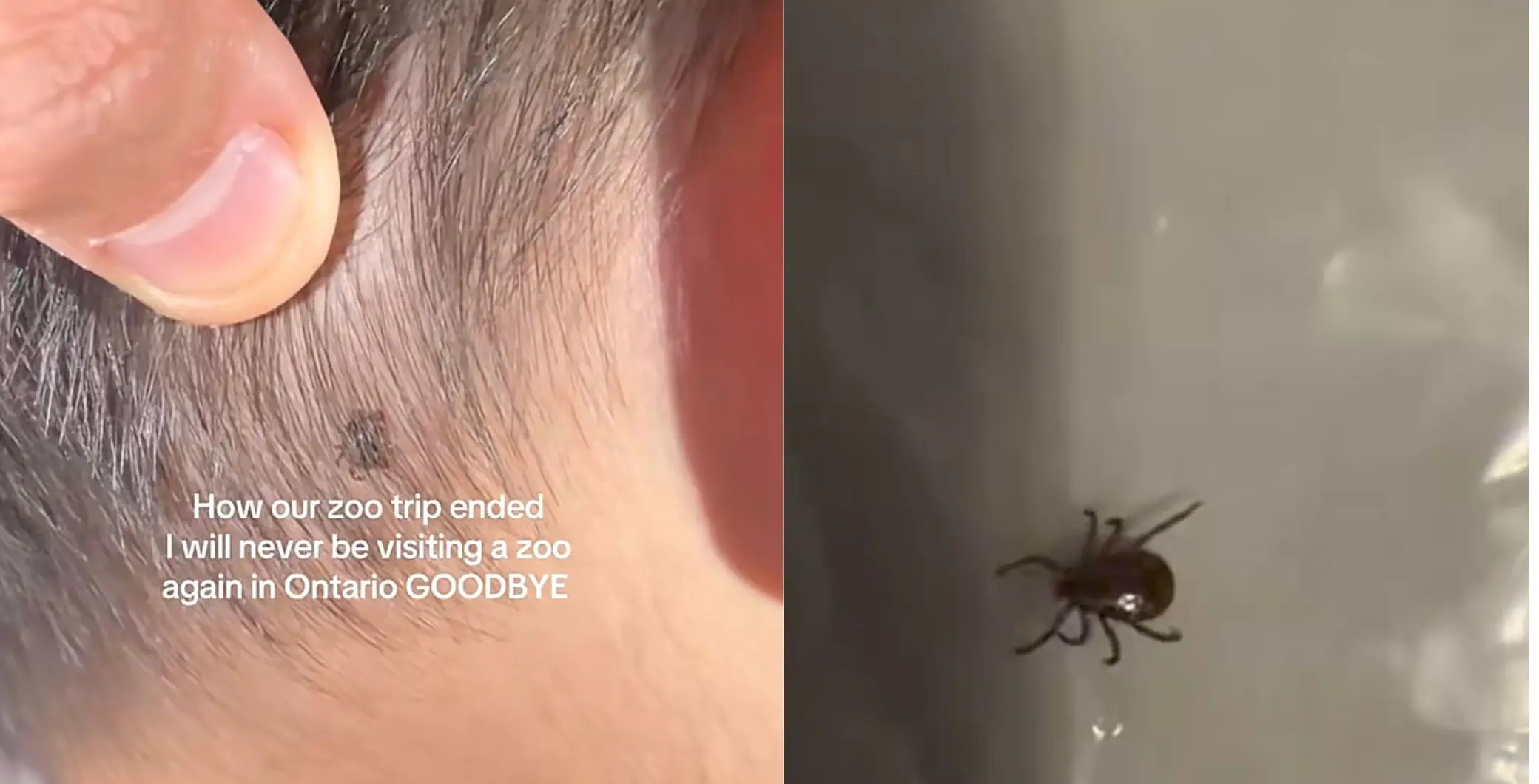
On May 11, Ontario resident Nigara visited the zoo with her two children to celebrate a belated Mother’s Day. She explained that a few hours after returning home, she found a tick on her son while putting him to bed at around 9 o’clock.
She told Now Toronto that she sought guidance from ChatGPT on how to remove a tick as she was unsure what to do.
“I had no idea what to do in that situation except to just take that tick out and put it in a Ziploc,” Nigara said.
The next day, she emailed her family doctor, who she says told her there’s nowhere she can take the tick for testing, since Ontario does not conduct these tests.
Tick testing
In Ontario, testing is only performed on ticks collected by local public health units during a process called tick dragging. However, residents can submit a photo of a tick to etick.ca for species identification.
The Government of Ontario website also states that identifying a tick’s species is not used to diagnose illnesses such as anaplasmosis, babesiosis, Powassan virus, or Lyme disease in humans.
Nigara monitored her son’s symptoms and used the etick website for identification.
“Within two days, I got an answer that it was actually a dog tick, so it doesn’t carry any sort of disease. Then my doctor basically said to just monitor for symptoms. I didn’t see any rash, any symptoms, so thank God he was perfectly fine,” Niagara explained.
How she feels now
The mother explained that she has learned a lot about ticks through this process and wishes that parents had more information on the risks and how to handle exposure to the insects. She shared how anxious and terrified she felt in that moment.
“I know it’s just a small bug, but it’s a small bug that can basically change your life and cause a life-altering disease. It was so nerve-racking in that moment,” she said. “I thought it was the worst thing in the world, especially on a child. If it were on me or my husband, we wouldn’t have been so afraid,” she added, explaining that it is scarier when it happens to your child.
She’s also disappointed in the African Lion Safari Zoo, alleging there were no signs or warnings of ticks.
Now Toronto reached out to African Lion Safari Zoo for a statement and did not receive a response by the time of publication.
Nigara recommends that the public be on the lookout for ticks and invest in tick sprays and tick tweezers.
Toronto Zoo gives recommendations to come home tick-free
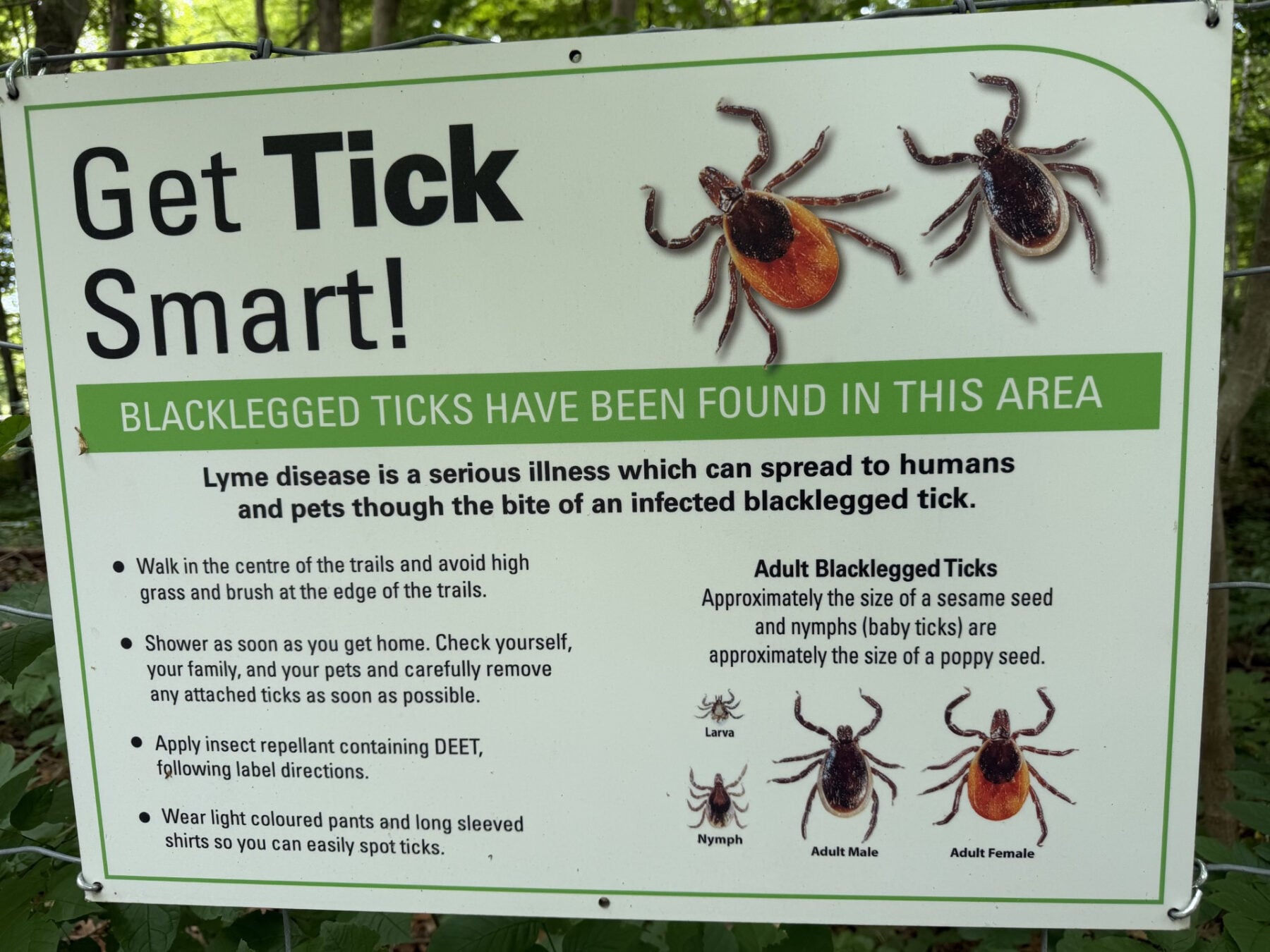
While this incident allegedly occurred at African Lion Safari Zoo in Cambridge, the Toronto Zoo states that they’ve posted multiple signs around their campus, reminding guests to stay on pathways to avoid ticks and use bug spray containing DEET. Guests are also encouraged to wear light coloured clothing and long-sleeved shirts to make the bugs easier to see.
“As a conservation science-based organization, we also vaccinate the animals in our care to protect them from ticks,” the spokesperson added.
They are also encouraged to take further steps to protect themselves when they get home, such as showering and checking themselves, friends, family and pets for the insects and removing them as soon as possible.