What to know
- The TTC will introduce fare capping in September 2026, allowing riders to travel free for the rest of the month after 47 paid trips.
- The new system eliminates the upfront cost of monthly passes and automatically applies to PRESTO, debit, and credit taps across all fare types.
- Transit advocacy group TTCriders is celebrating the announcement as a major victory after years of campaigning for a fairer and more accessible fare model.
- Mayor Olivia Chow says the change will make transit more affordable, with plans to push for a lower 40-trip cap in 2027.
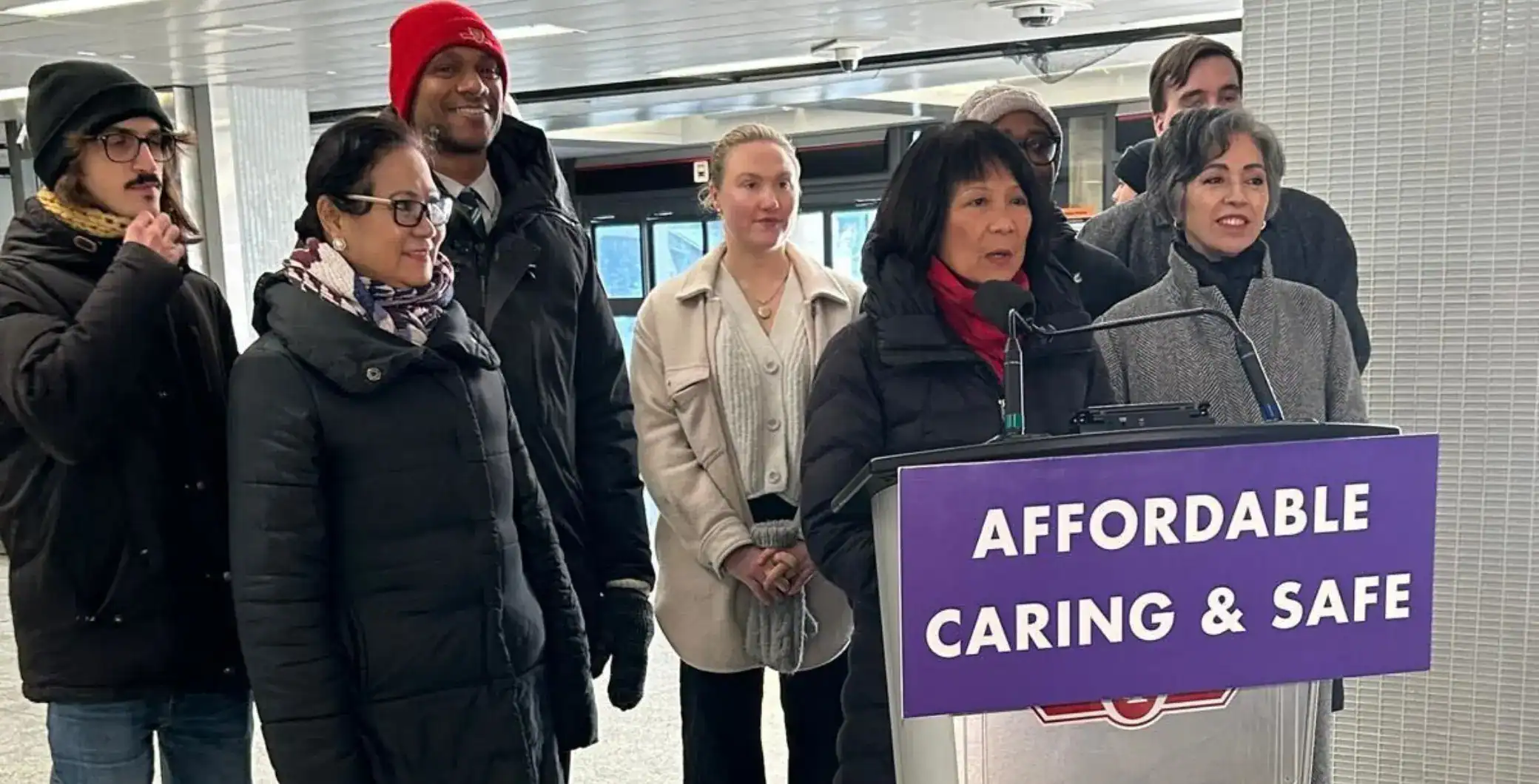
The TTC will introduce fare capping next year, a long-awaited move by transit advocacy groups that Toronto Mayor Olivia Chow says will make the system fairer and more accessible.
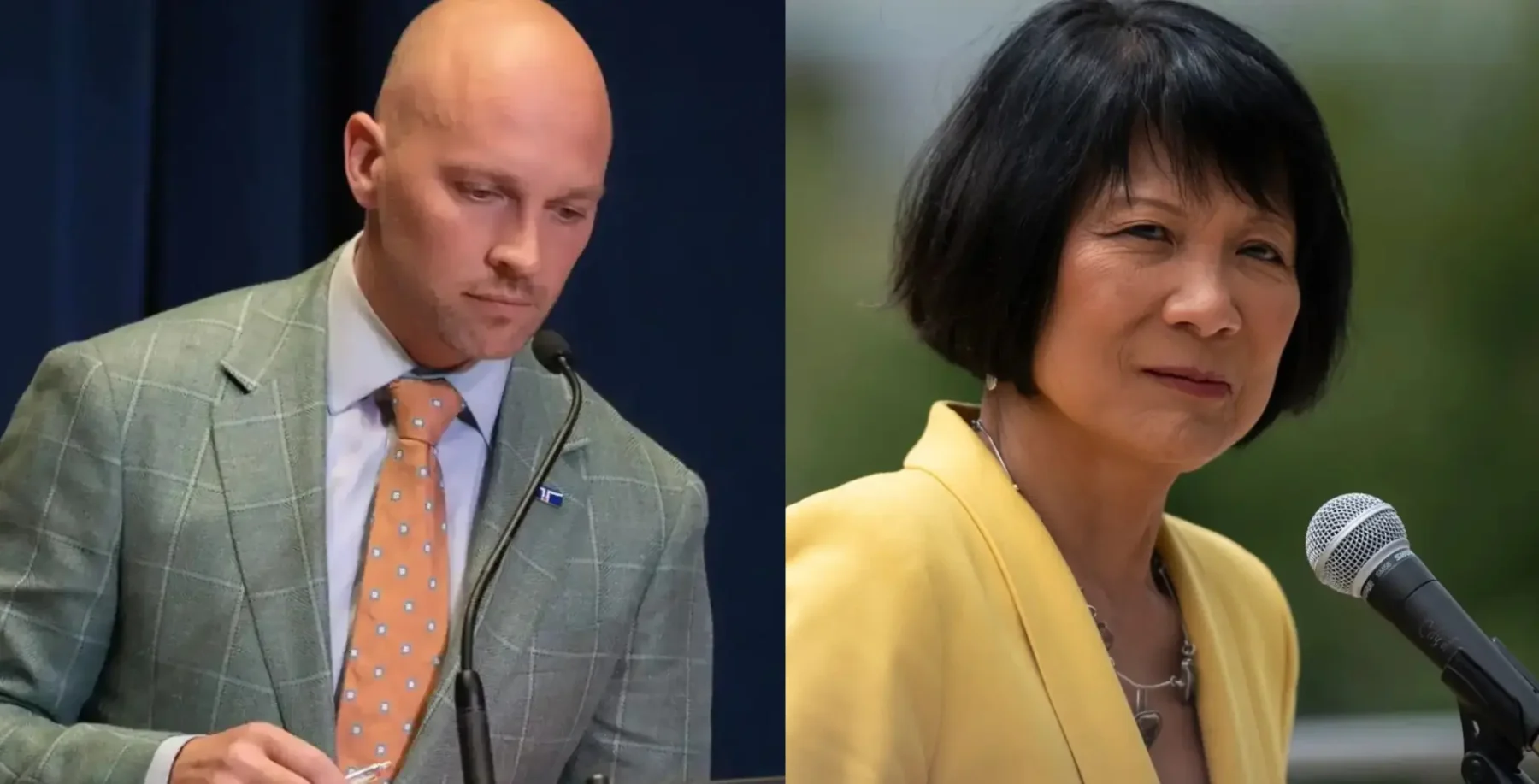
Announced on Monday by Chow alongside TTC Chair Jamaal Myers, beginning in Sept. 2026, the new system will stop charging riders after they’ve paid for 47 trips in a single month. Once that threshold is reached, any additional travel is free for the rest of the month.
Today, Mayor Chow and I announced fare capping on the TTC. After 47 rides in a month, the rest are free—no forms, no lineups. This follows yesterday’s opening of Line 6 Finch West, marking a major week for riders. Thank you to our teams for making transit more affordable. pic.twitter.com/P72BZfoLQM
— Councillor Jamaal Myers (@CllrJamaalMyers) December 8, 2025
The trip limit mirrors the number of rides needed to break even on the TTC’s current monthly adult pass, which costs $156. Under fare capping, riders pay only as they go, with no upfront fee at the start of the month.
“We’re making life more affordable for people who rely on transit,” the mayor said at a press conference in Scarborough. “With fare capping, you pay as you go, and once you’ve taken 47 trips in a month, the rest of your rides are free. No more deciding whether you can afford a monthly pass upfront. No more overpaying if you don’t ride enough to make a pass worth it.”
The initiative is part of the city’s 2026 budget, and Chow has revealed her intention to push for an even lower cap of 40 monthly trips starting in 2027.
The system will automatically apply to anyone tapping with PRESTO, debit, or credit, and will cover all fare categories. The count resets each month.
Myers says the change modernizes the way the city approaches transit costs.
“Fare capping represents a fundamental shift in how Torontonians pay for transit,” he said. “Taken together with Mayor Chow’s and the TTC’s Board’s decision to freeze fares for the third straight year, fare capping is an important step in building a transit system that’s affordable for Torontonians.”
As part of the fare freeze, single fares will remain at $3.30 for adults, $2.35 for youth, and $2.25 for seniors.
TTCRIDERS APPLAUDS THE MOVE
Transit advocacy group TTCriders welcomed the announcement, calling it the result of years of pressure from the community.
“This is a major victory for transit riders after years of grassroots advocacy,” Executive Director Andrew Pulsifer said in a press release on Monday. “Riders tell us again and again that the cost of transit is a barrier to getting around the city… Fare capping will save riders money, remove financial uncertainty, and make the TTC more accessible to everyone.”
Pulsifer noted that Toronto’s monthly pass is among the most expensive in North America, arguing that fare capping is a more fair and flexible model.
“This is a win for transit equity, a win for working people, and a win for the future of public transit in Toronto,” he said.