What to know
- A Canadian Cancer Society expert says cancer can affect people at any age, with certain cancers — including thyroid, testicular, breast and colorectal — more commonly diagnosed in younger adults.
- About four in 10 cancer cases can be prevented through lifestyle choices such as avoiding smoking, limiting alcohol, practicing sun safety, staying active, eating well and getting vaccinated against HPV.
- Knowing your body, watching for unusual symptoms and following age-based screening guidelines can help with early detection, which makes cancer easier to treat.
It’s World Cancer Day, and one health expert is sharing tips and habits Canadians, Millennials and Gen Zers can adopt to prevent risks and detect early signs of the disease.
Every year on Feb. 4, World Cancer Day unites events and communities around the world to reflect on cancer prevention, treatments, and care.
To mark this significant date, Now Toronto spoke with Canadian Cancer Society’s Director of Health Policy, Elizabeth Holmes, about what proactive steps young people can take to help them detect early cancer signs and decrease risks of developing it.
What kinds of cancer affects young people?
Holmes explains that although some types of cancer screening are recommended to be taken regularly after a certain age, different types of cancer can affect people of all ages.
However, some types of cancer are most commonly diagnosed in younger populations.
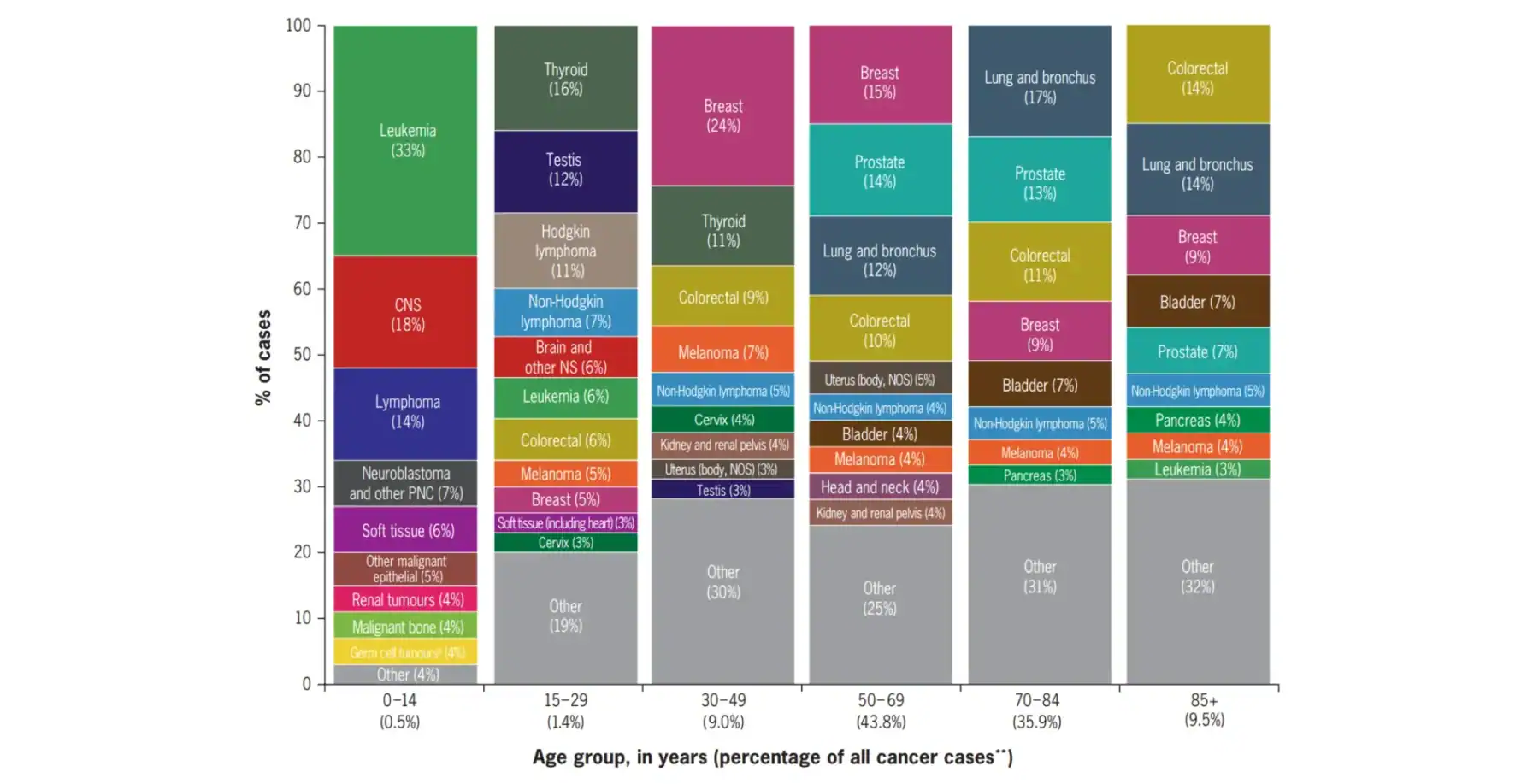
For those aged between 15–29 years old, the most commonly diagnosed cancers include:
- Non-Hodgkin lymphoma, which affects seven per cent.
- Thyroid cancer, which affects 16 per cent of patients in this age group;
- Testicular cancer, which affects 12 per cent;
- Hodgkin lymphoma, which affects 11 per cent;
Meanwhile, for those aged 30–49 years old, the most commonly diagnosed types were:
- Breast cancer, which affects 24 per cent of patients;
- Thyroid cancer, which affects 11 per cent;
- Colorectal cancer, which affects nine per cent;
- Melanoma cancer, which affects seven per cent.
Habits that can help prevent cancer
About four in 10 cancer cases can be prevented through healthy living, according to Holmes. That means that adopting healthier habits early on can be an important step in reducing cancer risks.
In this case, the expert recommends:
- Going smoke free;
- Practicing sun safety, including avoiding too much sun exposure and wearing sun screen;
- Limiting alcohol consumption;
- Staying active and practicing regular exercise;
- Following a healthy diet, which conforms to Canada’s Food Guide;
- Getting vaccinated against human papillomavirus (HPV).
In addition, Holmes also recommends regularly getting your home tested for radon, a silent and odourless gas which can lead to lung cancer.
“We also know that there’s only so much that we can decide. And so the Canadian Cancer Society is always advocating for healthy public policies so that we’re creating safe, supportive and accessible environments, so that we’re changing the world that we live in,” she added.
Symptoms to watch out for
Another way to remain proactive about cancer includes being aware of your own body and any unusual symptoms which might indicate a need to look for medical attention and help with early detection.
“At any age, it’s so important to know your body to keep an eye out for those changes. And it might not be cancer, it just might be another health concern. But if it’s something bothering you, if it’s something different about your body, then get it checked out,” Holmes said.
On the outside, the expert warns Canadians should know their own bodies, and watch out for:
- Any new growths or sores;
- Itchy patches of skin;
- Any changes in a mole or warts;
- Unusual lumps or swelling;
- Any blood or changes to urine, feces, or phlegm.
Any unusual internal body changes should also be monitored, including:
- Weight loss;
- Unexplained fever;
- Fatigue;
- Chronic changes to your bladder or bowel movements.
Holmes says people who notice any unusual changes they might be concerned about should contact their health provider for a check up.
“It might not be cancer, it might be another health condition, but only a health-care provider can tell for sure and help you with better understanding what’s going on,” she said.
Moreover, the expert says knowing your family history might also be an important step to cancer prevention. Informing your doctor about your family’s medical history, including any cancer or pre-cancerous conditions might also help them identify a way to help you with prevention.
“That’s something to talk to your health-care provider about, so that they’re aware, so that they can support you, you know, kind of monitoring in the future, about what to look for and maybe making an early detection plan for you.”
When to get tested
Besides watching out for symptoms, screening is also recommended for early detection and prevention, with certain tests being especially suggested according to age groups.
Starting at 25, those who have a cervix and have ever had sexual contact, regardless of gender or sexual orientation, should get regular pap tests and HPV tests, which are important for cervical cancer prevention.
Those who are entering their 40s should also start scheduling regular breast screenings every couple of years, according to the expert. The Ontario Breast Screening Program (OBSP) also recommends that those between 30–69 years old who have been confirmed to have high risk of developing breast cancer should get a mammogram every year.
Meanwhile, those who are about to enter their 50s should start thinking about colorectal cancer screening, which Holmes says includes a fecal test, which can be done at home.
Those who are getting to their 50s and have a history of smoking should also speak to their health-care provider about getting screened for lung cancer, according to the expert.
Although thinking about cancer detection can be overwhelming for many, Holmes says many of these habitual lifestyle changes can be slowly incorporated into young people’s routines, while they might make a big difference in the future.
The expert also says there are several supports available for those who might be feeling concerned or anxious about cancer.
“It is better to know that [it’s] easier to treat when we find it early, and that’s really what we want to do, is support people who are going through the experience of finding cancer and after a diagnosis.”
Those who want support dealing with cancer or anxiety related to cancer can reach out to the Canadian Cancer Society at 1-888-939-333 to speak with an information specialist.