What to know
- Underground Pride returns to Toronto for its third year, creating an affordable space to celebrate local Queer artists while reconnecting Pride with its grassroots origins.
- This year’s event includes a special tribute to Jamaican-born drag pioneer Michelle Ross, whose contributions helped shape Toronto’s Queer community and Church-Wellesley Village.
- Founder Artin Avaznia says the event is about more than partying, using celebration and storytelling to honour Queer history while recognizing that many 2SLGBTQIA+ people around the world are still forced to live and celebrate underground.
As Pride celebrations continue to evolve, many people in the Queer community are reflecting on what it means to celebrate with intention. For the organizers of the annual Underground Pride event, the answer lies in creating space for both joy and reflection.
Returning to Toronto for its third year of celebrations, Underground Pride is a party spotlighting the artists, performers and community builders who have shaped 2SLGBTQIA+ culture around the world from the margins. Founded by artist and organizer Artin Avaznia, the grassroots event offers an affordable option to celebrate Pride while creating a platform for local, underground Queer talent.
“Underground Queer artists have been driving culture for basically eons at this point,” Avaznia told Queer & Now. “There are so many remarkable artists in the underground Queer world that are still influencing the mainstream, and we don’t always get the proper recognition.”
This year’s event brings together DJs, dancers and drag performers at Longboat Hall on Saturday, June 27, starting at 10 p.m. Ticket prices have intentionally been kept low, set for $15, with cheap drink options available throughout the night.
But the founder says that affordability is just one of the event’s goals. Organizers also aim to pay homage to the origins of the movement.
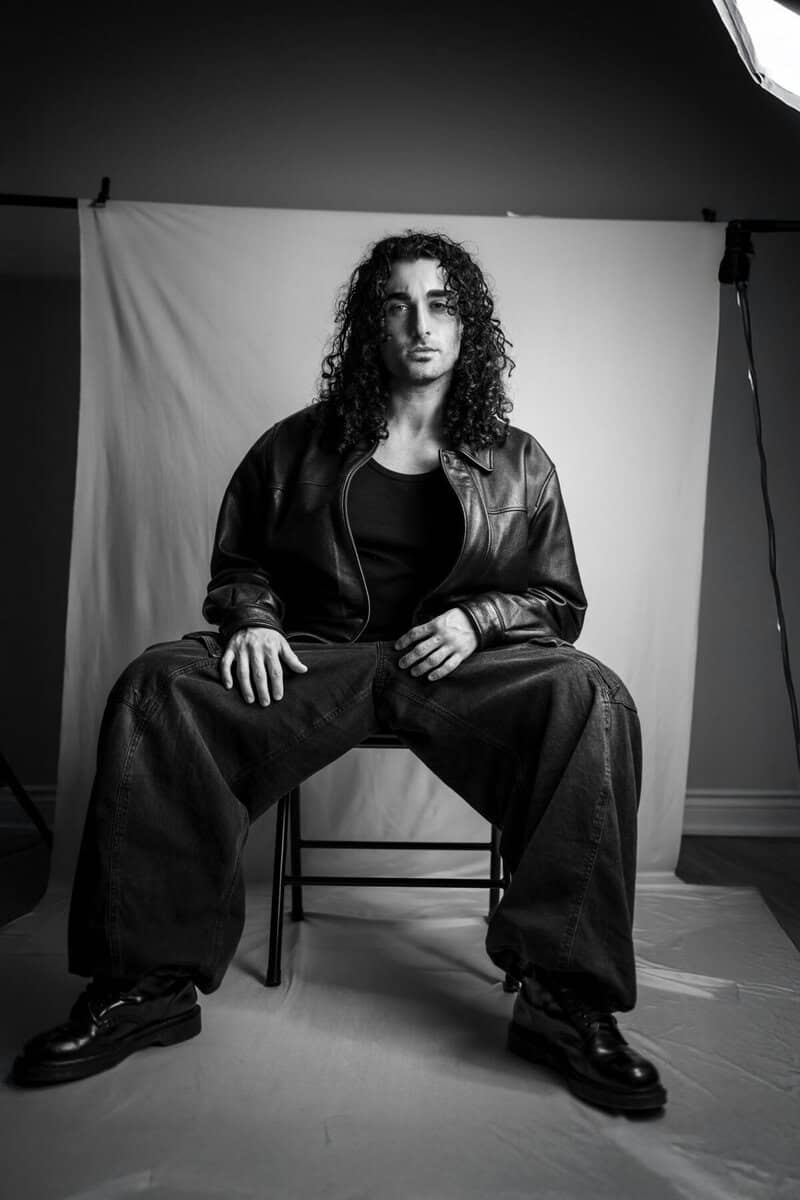
“Pride started as a protest underground,” he explained. “There are still so many parts of the world where being Queer or Trans is illegal, and our celebrations are still underground.”
This is something close to his heart. Avaznia explained that as an Iranian man, he has struggled with family and cultural acceptance of his Queer identity, leaving him estranged from his family for over six years. He says this event honours not only the origins of the Pride movement, but the way many 2SLGBTQIA+ people around the world continue to be forced to exist underground.
“Underground Pride is about bringing it back to our roots while honouring those who are still celebrating underground around the world,” he explained.
Honouring the late Queen Michelle Ross
That commitment to reflection is evident in this year’s opening tribute, dedicated to the late local drag superstar Michelle Ross, a pioneering Jamaican-born force of nature whose work helped shape Toronto’s Queer culture.
From the 1970s until her death in 2021, Ross performed internationally, appearing on stages in Paris and Japan while also returning to Jamaica to perform in underground shows despite the risks facing Queer people there. In Toronto, she became a trailblazer during a period when Church and Wellesley was still emerging as a hub for the city’s LGBTQ+ community. Despite her global performances and local stardom, Ross’ career was kept under wraps from her family.
Read More
Avaznia explained that he first learned about Ross’ life after meeting members of her family, and then attending a screening of a film focused on her legacy. He shared that he worries many younger generations are unaware of Ross’ impact on the culture.
“I was incredibly moved by her story,” he shared. “And quite frankly disappointed that we had potentially allowed this legacy to be erased or wither away.”
“Without reflection, we risk losing meaning in what we are and who we are as individuals.”
The Toronto edition of Underground Pride will open with a special tribute performance featuring emerging Saint Lucian drag artist Fleur Fantasie, alongside veteran performer Stephanie Stephens, who shared stages with Ross during the 1980s.
Avaznia says Stephens, who survived periods of intense social discrimination against 2SLGBTQIA+ communities, including during the AIDS Epidemic, has shared stories with him about the origins of Church and Wellesley. Now an internationally recognized hub of Queer culture, Stephens told Avaznia that it was people like she and Ross who pushed for The Village we now enjoy to exist. Those conversations reinforced Avaznia’s belief that Pride celebrations should make room for both community and remembrance.
The Underground Pride founder says that one concern Stephens has shared with him is that Queer people in Toronto are losing touch with the importance of community and what it actually means.
“For herself and Miss Ross, surviving the AIDS epidemic, being pushed underground, and being targeted by police at the time, they had so many reasons to resist and come together and continue to fight,” he explained, adding that sometimes it feels like people forget that this resistance is what Pride is about.
Underground Pride: Bringing together artists of different generations
In addition to performances from Fleur Fantasies and Stephanie Stephens, attendees can look forward to performances by Avaznia, who is a dancer, and waackers Tyler “Q” Yan and Karl “Adore” Adormeo. Meanwhile, DJs Mix Signals, Desiire, and Incognita will be keeping the good vibes going all night long.
For Avaznia, bringing together performers from different generations is symbolic of the event’s broader purpose: ensuring Queer history is passed on rather than forgotten.
“We’re going to celebrate with intention,” he said. “We’re not going to forget the queens who laid down the foundation for us to exist the way that we have.”
As Underground Pride continues to grow, expanding beyond Toronto and selling out previous events in cities including Montreal, Avaznia hopes attendees leave with more than memories of a good party. He hopes they leave with a deeper understanding of the people whose resilience helped make today’s celebrations possible.
“Joy without reflection risks losing meaning,” he said. “Pride itself and Underground Pride and everything else that exists could not have happened if it wasn’t for people like Michelle Ross.”