What to know
- Catfishing remains a common dating issue in Toronto: Interviewed daters said they’ve encountered everything from people lying about their height and education to completely fabricating their identity, with some saying height exaggeration is especially frequent.
- AI is making catfishing harder to detect: Dating expert Laura Bilotta says AI can generate realistic photos, personalized conversations, and even convincing voice or video content, making fake profiles more believable and scams more sophisticated.
- Daters use different strategies to verify matches: Torontonians said they Google matches, check social media, consider video calls before meeting, or simply meet in a public place to confirm someone is who they claim to be.
- Experts say patterns—not one-off incidents—are the biggest red flag: Bilotta advises watching for repeated warning signs like refusing video calls, inconsistent stories, asking for money, overly polished photos, or repeatedly avoiding meeting in person, while encouraging people to trust their instincts.
Imagine spending weeks sending flirty texts, building inside jokes, and having late-night confessions with someone you matched with online, but when you finally agree to meet, you find out they’re nothing like their profile. You’ve just been catfished.
“Catfishing is when someone creates a fake identity to convince you they’re someone they’re not. They may use fake photos, lie about their life, or pretend to be a completely different person,” explained the Founder of matchmaking company Single in the City, Laura Bilotta.
She explained that people may create a fake dating profile for several reasons, among them to take advantage of someone financially, to seek attention or validation, or to hide their identity because they’re already in a relationship.
So, for this edition of This is Dating Now, we asked Torontonians if they’ve ever been catfished.
Read More
- ‘I don’t think the generation now even really knows what romance is’: Gen X woman reflects on Toronto dating
- Bumble bets on AI to find love, but Toronto daters aren’t convinced
- Is the key to Toronto’s dating scene meeting people IRL? We tested it out
- Cuffed or just vibing? Torontonians and a dating expert share their take on intentional dating
Were you catfished?
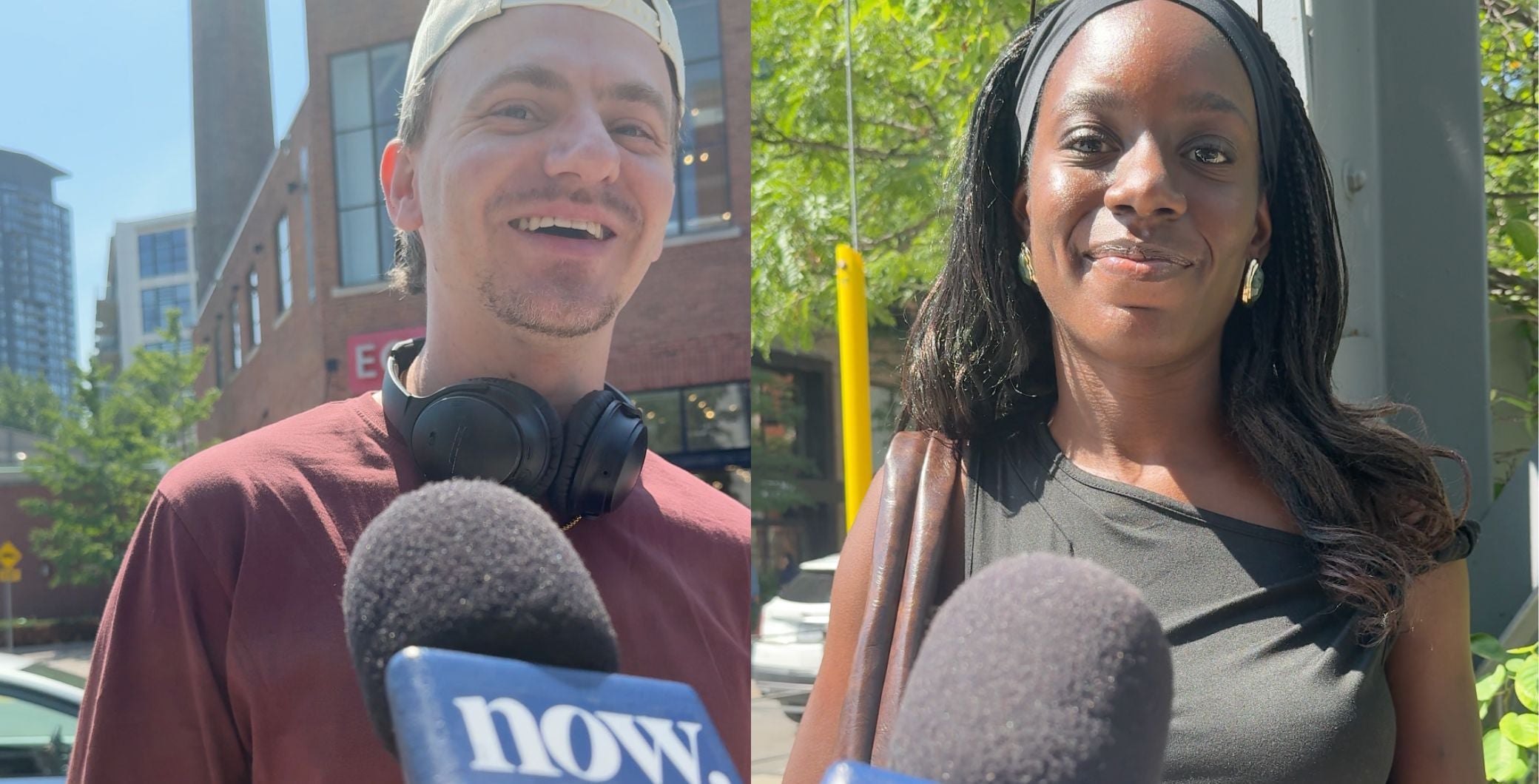
Toronto resident Margrit J. says that she had someone who’s “completely misrepresented his credentials, education history and basically everything about him.”
She found out after a Google search that he had catfished her, and explained the man was mad at her for doing a safety check on him, justifying that he only “embellished” his profile.
“That is like straight-up lying,” Margrit told Now Toronto.
The man allegedly represented himself as an engineer, and a PNG website allegedly says it’s a regulatory violation and could result in a fine of up to $5,000.
After sending him the link, the man actually removed his lies from his profile.
But that’s not the only occasion Margrit’s been catfished, saying men lie about their height “all the time.”
“About 80 per cent of the time. I’m on the taller side, especially for an Asian girl. I am five feet eight. People have said they’re about five feet eleven or six feet. I show up, and they’re my height,” she explained.
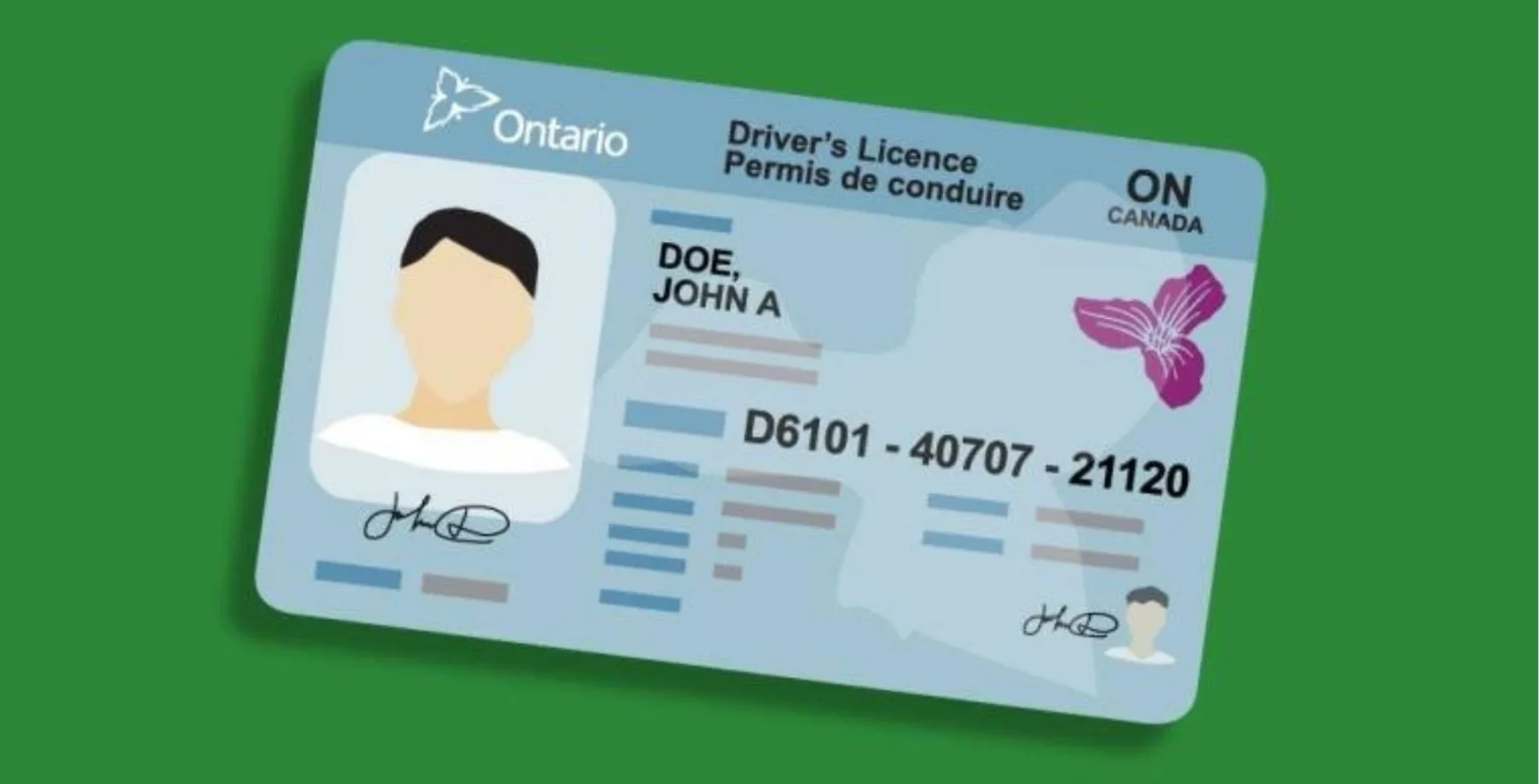
Margrit laughed that some even try to “gaslight” her, saying that the men claim she’s lying about her height, despite her showing them her official height on her driver’s license.
“Now, I automatically assume that people are usually about an inch or two shorter than what they represent themselves to be,” she said.
U.K. traveller Fenmi A. told Now Toronto that people keep catfishing about their height.
“Their profile said they’re about five feet eleven. I’m five feet nine. When I got there on the first date, I was definitely looking down at them,” she laughed. “But they were lovely. I understand why people do it sometimes, but I don’t like starting things off on a lie.”
But Toronto resident Michael W. is one of the lucky ones who never got catfished.
He’s never catfished someone on his height either, joking it’s not something he has to worry about.
Is AI increasing catfishing in Toronto dating?
Margrit J. hasn’t identified AI profiles, but said she “wouldn’t be surprised if there were some.”
“I don’t think I’m trained enough to tell if they’re real or AI. Maybe I did run into them, it’s just that I wouldn’t be able to recognize it,” she said.
Meanwhile, Michael W. thinks it’s crazy that there might be some out there, but calls AI editing “catfishing” in a sort of way.
“I know people edit a lot of pictures with AI, which is kind of on the edge, but no, never a full AI profile,” he said.
Fenmi A. agrees, “[I haven’t seen them] yet, but I’m sure it’s probably 100 per cent happening.”
Bilotta says that AI has made catfishing harder to spot, and helps someone create conversations feel more thoughtful and tailored to you, and pictures that may seem realistic.
“A person may appear to have a whole life online that doesn’t actually exist,” she said.
Bilotta also warns that AI can make it easier for scammers to research someone and use those details to create conversations that may feel personal, and that voice and video technology’s advancement can definitely fool people, so she encourages using identification tools before a date, and meeting in a public space for the first date, for further safety.
Tips to identify if someone is genuinely real
Margrit J. says she always tries to Google them. “With their school name or at least the represented school name… But there are ways of finding this person. Sometimes people do reverse Google Image searches, but I’m too lazy for that,” she joked.
Meanwhile, Michael W. says he checks someone’s social media page.
“I make sure someone’s real by checking their Instagram. I think a lot of other people, and I do that. But other than that, just you know, set up a meet and mess around and find out. Let life happen,” he said.
But Fenmi A. is planning to take a bit more precaution, saying she’s considering implementing video calls before a first date, but currently just takes the risk.
“It’s a risk you’re always going to have to take when meeting people online and stuff these days,” Fenmi said.
Bilotta shared that one red flag doesn’t always mean someone’s a catfish, but a pattern should get your attention, such as:
- If they’re avoiding video calls or always have an excuse.
- They seem to get emotionally attached very quickly.
- Their stories keep changing.
- Inconsistencies in their profile.
- Something seems to come up before meeting in person.
- They ask for money or financial help. (usually a last-minute emergency)
- Their photos look almost perfect, or don’t seem to match the rest of their life.
- They’re reaching out from overseas, or they are temporarily working in a remote location.
So, she suggests using reverse image search, getting on a video call, checking their social media account for consistency, getting advice from friends, and trusting your gut, saying, “If something feels off, there’s usually a reason.”
Got a dating story for us? We want to hear it! Send your experiences to news@nowtoronto.com for a chance to be featured in a future edition of This Is Dating Now.