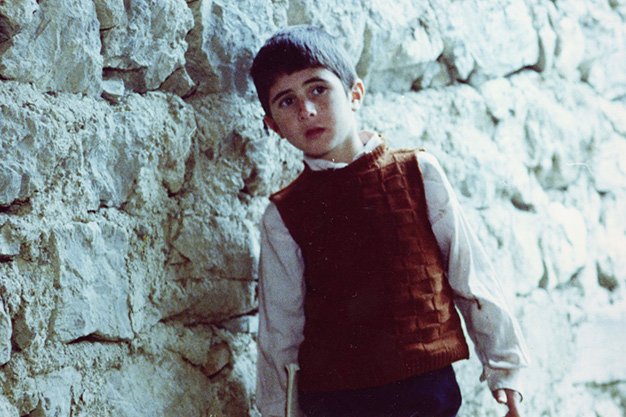
I FOR IRAN at TIFF Bell Lightbox (350 King West) from Thursday (March 5) to April 4. tiff.net. Rating: NNNN
Iranian cinema hasn’t been underrepresented in the West, but it’s laboured under an unfair perception of sameness – all wide-eyed children and protracted suffering.
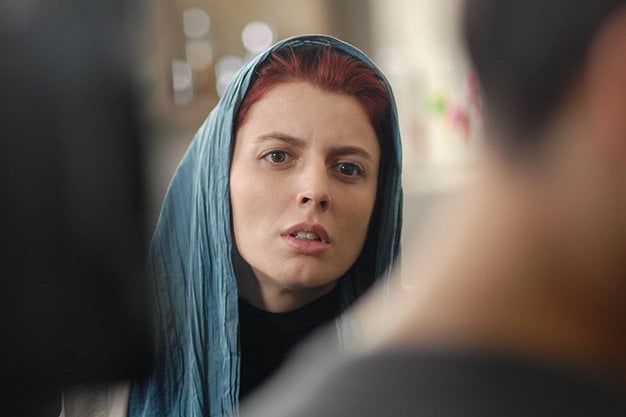
TIFF Cinematheque aims to dispel that myth with I For Iran, an authoritative new retrospective of Iranian cinema stretching from 1933’s Mr. Haji The Movie Actor (Saturday, March 7, 5 pm, introduced by film scholar Hamid Naficy) to 2011’s Oscar-winning A Separation (April 3, 6 pm, with an introduction by author and critic Tina Hassannia).
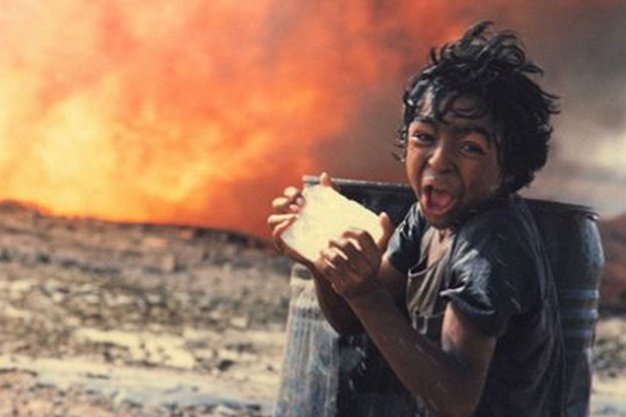
I’d seen The Runner (March 13, 6:30 pm), Amir Naderi’s 1985 drama about a parentless youngster (Majid Niroumand) odd-jobbing around his harbour town, years ago, but watching it again for this series brought home how utterly fresh it feels. Both in subject matter and style, it could have been made last month. One could say the same for a lot of Iranian cinema, which focuses on intimate conflicts and simple desires played out against bleak, forbidding backdrops: the stories are timeless, the characters universal.
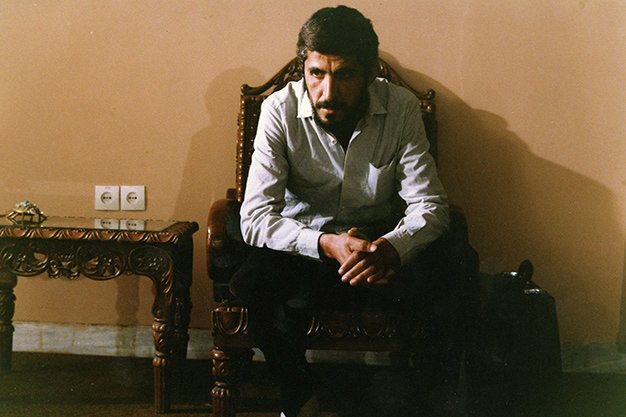
Either out of vision or necessity, these filmmakers reduce their characters’ worlds to the barest of essentials. In pre-Revolution works like Dariush Mehrjui’s The Cow (Friday, March 6, 6 pm), about a man whose inability to accept the death of the eponymous beast leads him to assume its role, the limited world view lets us see how few options their protagonists have. In works produced after the Islamic Revolution, isolation becomes a metaphor for the country itself, sequestered from cultural development by a fundamentalist theocracy.
Naderi’s haunting 1989 feature Water, Wind, Dust (March 14, 3:15 pm), starring The Runner’s Niroumand as a young man on a trek through the desert in search of his vanished family, could be read as a simple adventure story or an allegory for a convulsing nation’s quest for stability, while in Abbas Kiarostami’s Where Is The Friend’s Home? (March 22, 6:15 pm), made in 1987, a child’s odyssey to return a fellow student’s notebook becomes an exploration of the social order of a northern Iranian town.
Sohrab Shahid Saless’s 1974 drama Still Life (Sunday, March 8, 6:30 pm, introduced by Naficy) contains a crushingly personal study of a railway switchman (Zadour Bonyadi) facing mandatory retirement within a larger look at the apathetic Iranian state apparatus. That same shrugging disregard for human dignity echoes in Asghar Farhadi’s A Separation four decades later, with its tale of an estranged couple locked in a never-ending, ideologically driven court case.
And then there’s Kiarostami’s 1990 Close-Up (March 27, 8:45 pm, introduced by Hassannia), one of the great works of world cinema, full stop. Spun out of an actual incident in which con man Hossein Sabzian impersonated Kiarostami’s fellow director Mohsen Makhmalbaf to take advantage of a Tehran family, the film explores not just the facts of the eventual criminal case but the very concepts of art and storytelling.
Filming the trial and recruiting Sabzian and his victims to play themselves in re-enactments of the con, Kiarostami makes it almost impossible to distinguish artistic re-creation from the “official” reality. I would imagine being an artist trapped within a fundamentalist state feels very much the same.
normw@nowtoronto.com | @normwilner