What to know
- Properties closer to wildfires may accumulate soot and smoke residue that can damage surfaces, furniture and objects while leaving behind a smoky odour.
- According to a property restoration expert, soot may contain carcinogens and heavy metals that can pose long-term health risks if not properly removed.
- Modern homes can keep most smoke out, but older buildings and homes closer to wildfires may still allow smoke to enter through ventilation systems and everyday door openings.
- If soot is visible, wiping down surfaces with household cleaners may not remove all contaminants, and professional restoration may be needed.
Smoke accumulation can contaminate homes close to wildfires and lead to long-term health complications, and one expert says wiping down surfaces might not be enough to clean it.
Much of Ontario is still facing poor air quality, as smoke from northwestern wildfires continues to spread across the province.
Inhaling smoke particles from the wildfire can lead to immediate and long-term health complications, from eye and throat irritation and shortness of breath to chronic respiratory conditions, and even premature death, according to experts.
Read More
With conditions expected to continue throughout the weekend, one expert is warning that the accumulation of smoke is becoming a growing concern for property owners, as improper cleaning can lead to long-term complications, including health risks.
Why is smoke a problem in properties?
Jim Mandeville, Senior Vice President at First Onsite Property Restoration, told Now Toronto that smoke from wildfires can create sooty deposits within homes and businesses, especially for properties that are closest to the fires. These are the byproducts of combustion, which could leave the property covered in black dust.
If these accumulate, they can damage objects in the home, including soft plastics or furniture with white surfaces. In addition, it can also leave the property smelling like a campfire.
Meanwhile, if these spots are not properly cleaned, they can also lead to long-term health risks.
“Soot could be carcinogenic, and it can also carry heavy metals. Both of those things are very bad for your health, long-term especially. So, if we don’t remove all of that from your home, it could lead to long-term health problems,” Mandeville said.
Read More
Is keeping doors and windows closed enough?
According to Mandeville, keeping doors and windows closed is effective in keeping the vast majority of smoke outside of the house, especially in modern buildings and for properties that are further away from the wildfire itself.
However, in older homes or those closer to the fires, smoke could travel through ventilation systems, contaminating surfaces, systems, and objects inside the building.
“You’re never going to keep 100 per cent of it out because you have to leave your house…You have to open the door to go outside,” the expert explained. “You have to open the door to go to work, to go and get groceries. So, it’s basically impossible to keep 100 per cent of it out.”
Wiping surfaces isn’t enough
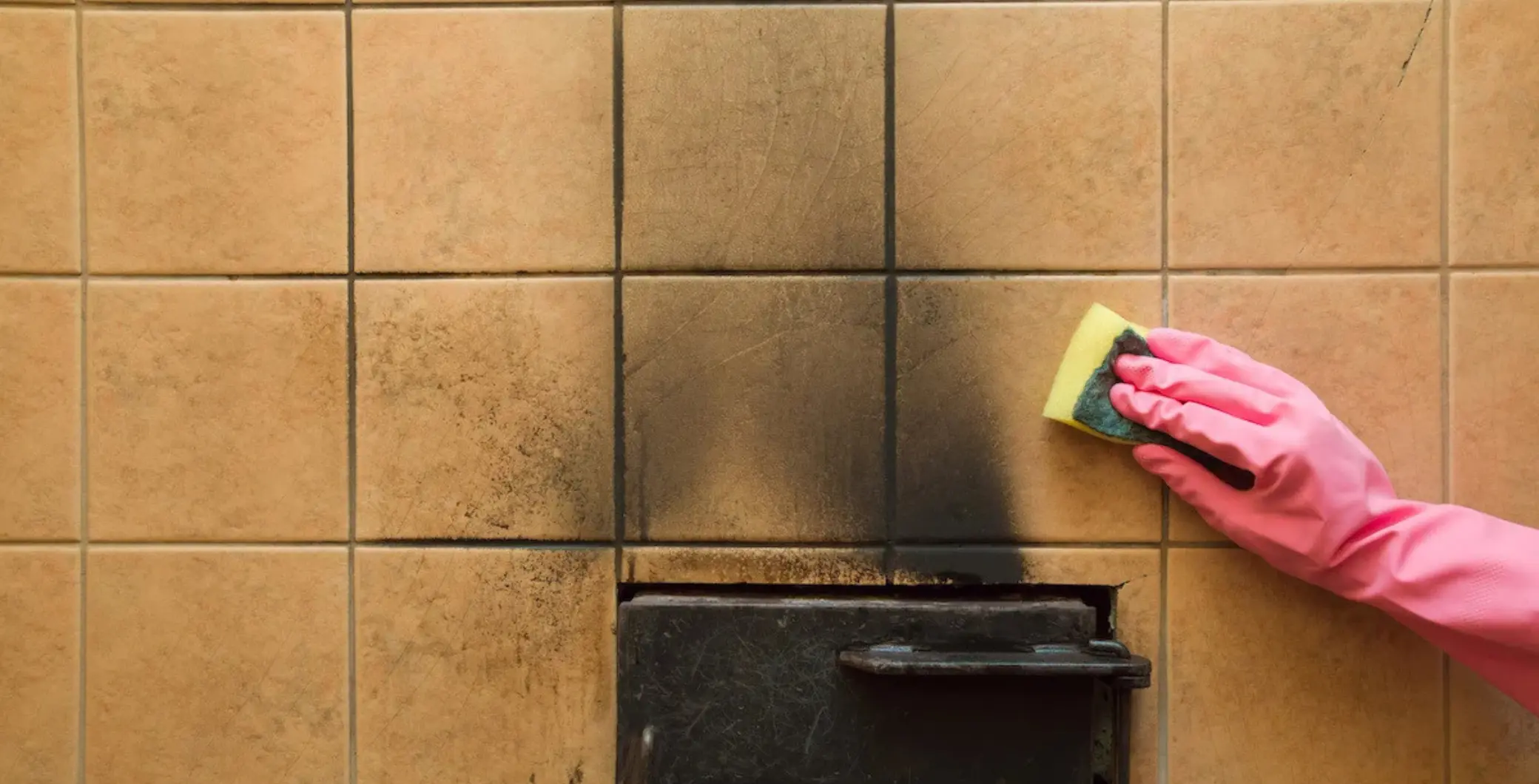
If the property becomes covered in smoke residue, especially to the point where soot can be visibly spotted around the space, regular house cleaning, from dusting to wiping surfaces with regular cleaning products, might not be enough to completely clean the residue.
In these cases, Mandeville said he would recommend the property owner seek professional cleaning services, which can provide specialty cleaning products and techniques to remove the soot.
“Even for the average three-bedroom home, as a professional restoration firm, that would take a group of four or five people, perhaps two weeks, to deal with. So, that’s not something the average homeowner is capable of dealing with,” he explained.
However, for those who don’t have visible residue across the property, Mandeville said regular cleaning might help, especially combined with degreasing products like dish soap.


