You’ve probably noticed this, but a bicycle is actually not a car.
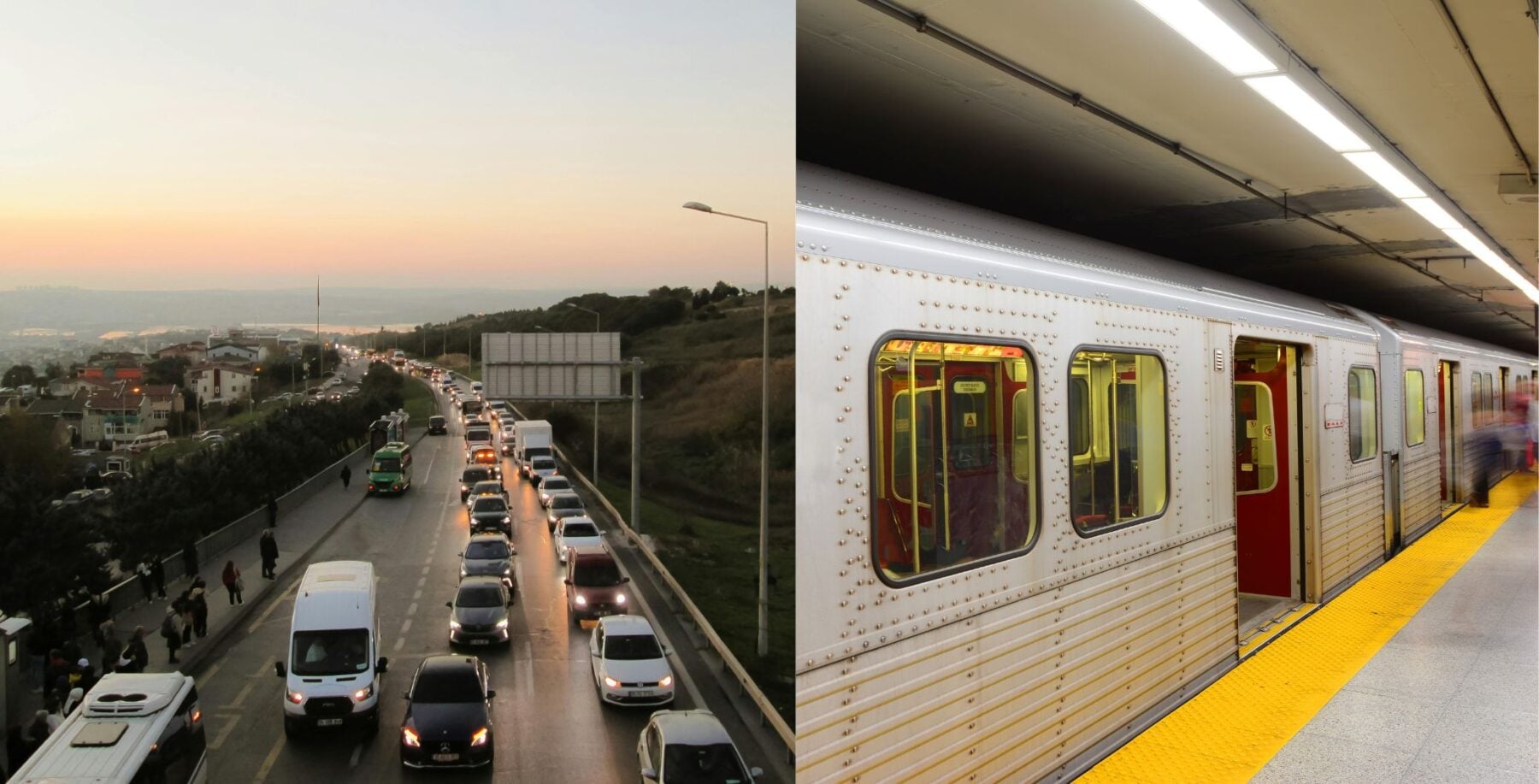
When it comes to the rules of the road, however, it seems the lawmakers of our province can’t see the difference. It’s as if they have a perceptual disability and all vehicles appear to them to be the same size and to have the same capacity for injury.
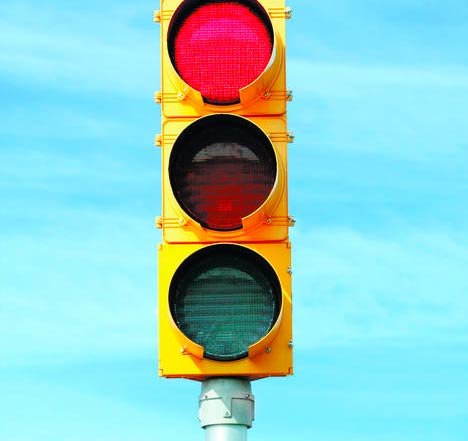
I learned all about the Highway Traffic Act in a way I’m not proud of. I ran a red light on my bicycle.
I was late. The coast was clear, though the light was red. A bike cop caught up to me and wrote me a ticket for $260, which after added charges was $325.
My first thought was something I don’t think we can publish here. My next was “Wonder how much a motorist is fined, then?”
After a little research, I discovered that running a red in a car and on a bike can get you dinged exactly the same amount. As my traffic court judge informed me, “They’re both vehicles.”
Let me repeat: going through a red light was/is dumb. And doing illegal and unsafe things can have terrible consequences, as we saw in July when a cyclist, allegedly going the wrong way on a one-way street, struck a woman at Huron and Dundas.
Many were outraged that that cyclist was charged with careless driving, which carries a fine of $400 and no jail time. The cop who stopped me suggested he was letting me off easy he could have laid that same charge against me.
As tragic as the accident was, it’s worth remembering that it was a big news story primarily because cyclists so rarely cause serious injuries, while it happens all the time with cars.
When I ask Ontario Ministry of Transportation rep Bob Nichols the rationale for the identical penalties, he says pointedly, “Road safety is the responsibility of all road users.”
Well, of course, everyone agrees with that. At Share the Road’s Cycling Coalition, Eleanor McMahon stresses that cyclists “are required to obey all traffic laws for their safety as well as the safety of others.”
But she, too, can see that bikes and cars are different animals. “As cyclists do with pedestrians, motorists bear a larger measure of responsibility because of the harm they can inflict.”
McMahon is a little hesitant to address the financial penalties, but she does add, “I’m not sure if the act can be amended to account for this greater degree of responsibility, but perhaps it should be.”
At City Hall, Daniel Egan, manager of cycling and infrastructure programs, reminds me that the act dates from a time before there were many bikes on the road. “There needs to be a serious discussion on what the law should be for cyclists. It would be appropriate to do a review.”
But back to my ticket. I received it in the east end, technically in Scarborough. So if I wanted to fight it, or, as I decided, to ask for it to be decreased on “compassionate grounds,” I had to go the provincial courthouse there, two hours by TTC from where I live downtown and too far for a bike ride.
I ended up having to make this trip three times: once to make the court date, only to find out the ticket hadn’t been processed yet another to make the court date and finally for the actual “trial.”
The judged decreased my ticket to $150, which after an added “victim surcharge” (though I still don’t know who the victim was) and $5 for court fees, came to $180 – oh, and another $3 for the convenience of paying it online.
I guess I had a “$180 is still a lot of money” look on my face, because the judge then said it was so I wouldn’t do it again. Which of course I won’t. But here’s the thing: the sum was more than my bike is worth. Just tell me how often you can say that about the penalty for a car violation?
news@nowtoronto.com