What to know
- TIFF 2026 opened with Being Heumann at Roy Thomson Hall, telling the true story of disability rights activist Judy Heumann and the fight for accessibility and equality.
- The film highlights the 1977 San Francisco sit-in, where people with disabilities and other marginalized communities occupied a federal building for about 25 days while pushing for disability rights legislation.
- Ruth Madeley leads a strong ensemble cast, including Daniel Durant, Ali Stroker, Ray Fisher and Dylan O’Brien, with the film emphasizing the everyday barriers and frustrations faced by people with disabilities.
- Toronto Mayor Olivia Chow highlighted accessibility at TIFF, noting that the 2026 festival featured its first fully accessible red carpet. The film also earned a standing ovation for its emotional portrayal of activism, representation, and the ongoing fight for accessibility.
Rating: ⭐⭐⭐⭐ ½ / 5
This review contains mild spoilers for the film Being Heumann.
The 51st edition of TIFF opened with a film that continued the ‘heartfelt’ theme of past openers, but added a deeper layer: the retelling of a true story about how a group of dedicated, marginalized individuals fought for their rights and against discrimination.
Being Heumann kicked off the Toronto International Film Festival (TIFF) on Thursday, bringing a star-studded cast and hundreds of fans to Roy Thomson Hall.
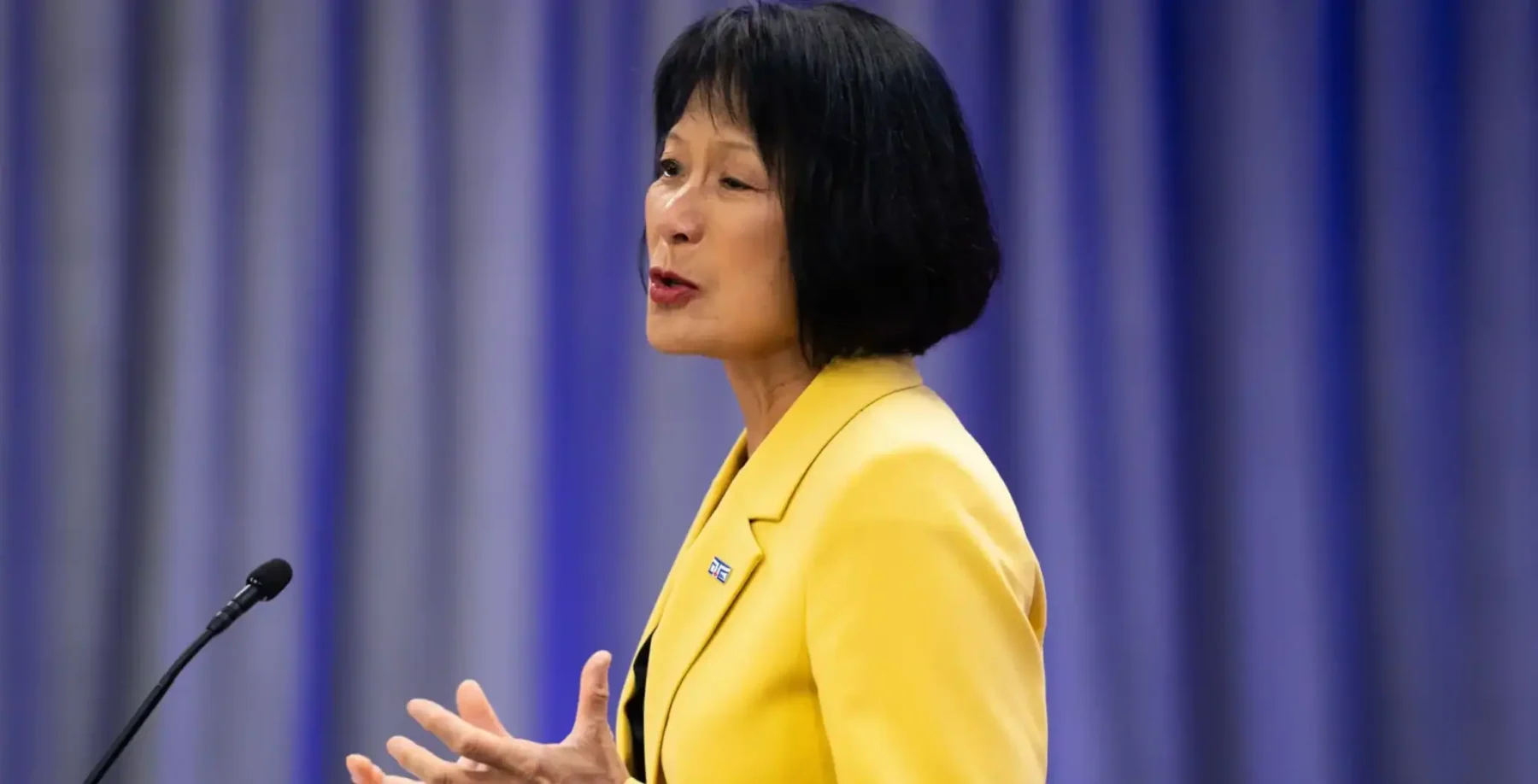
Before the screening, multiple speakers addressed the audience, including Toronto Mayor Olivia Chow, who was fresh off the red carpet herself.
Chow said TIFF 2026 was the first time the festival had a fully accessible red carpet, and noted that it would remain that way for TIFFs to come.
That just proves that work for disabled communities is still ongoing, one message shared throughout the film.
British actress Ruth Madeley starred as Judy Heumann, the disabled rights activist who spent her life fighting for change to make the U.S. accessible for those with disabilities.
While Madeley led the pack in the film, the story was supported by a phenomenal ensemble cast, some of whom included CODA’s Daniel Durant, film and Broadway actress Ali Stroker, Justice League’s Ray Fisher, and The Maze Runner’s Dylan O’Brien.
The film depicted the longest sit-in in American history, when members of multiple marginalized communities, including people with disabilities, people of colour, and people a part of the LGBTQ2+ group, sat for around 25 days in 1977, taking over the federal Department of Health, Education, and Welfare (HEW) building in San Francisco.
The challenge of fitting a near month-long protest, as well as background information, into a two-hour and seven-minute run-time did not go unnoticed. Despite the constraints, the story was told beautifully, albeit at times needing to remain broad on the movement to save time.
As an able-bodied person myself, the film was able to give me a fraction of the frustrations the ensemble and people with disabilities around the world feel daily.
Andrew Pilkington’s character Hale Zukas said it best when he used his letter board to talk about the struggles behind having a disability, with extra infrastructure and systemic barriers on top of it.
“Disability is not a tragedy. It is a tremendous hassle,” he had said in front of a government hearing around the climax of the film.
I enjoyed the rawness of the movie. Being Heumann and Oscar-winning CODA director Sian Heder chose to let the audience feel every pause, every struggle, and every inconvenience felt by the group.
When Zukas used an “antenna” contraption on his head to point to letters on his board, Heder decided for the audience to sit in the silence, forcing them to be patient as Zukas shared his thoughts with the rest of the characters, while another read out his thoughts.
At one point, when another character attempted to speak over Zukas’ opinion, Heumann shut him down immediately, teaching the group, and at the same time the audience, a valuable lesson: not to interrupt Zukas, or people with similar disabilities.
The film “Heumann-ized” the barriers marginalized communities faced, allowing those who are able-bodied to try and get a glimpse into how they live their lives, while fans who faced similar struggles were able to feel represented in some capacity on the big screen.
While Marvel’s The Incredible Hulk star Mark Ruffalo didn’t attend TIFF this year, he played the role of the film’s antagonist, Joseph A. Califano Jr., who was the United States Secretary of Health, Education, and Welfare at the time of the sit-in.
Califano portrayed the nuisance in a character that displayed performative activist traits.
He explained how he himself was a supporter of several marginalized groups, although when it came down to brass tacks, as well as the financial side of implementing accessible infrastructure and changes in the workforce, Califano acted as if his hands were tied, proving a fantastic performance by Ruffalo.
Madeley herself played the role of a disgruntled activist, whose wheelchair had been pushed and kicked away far too many times, to a tee.
Her aggression and anger, as well as desperate impulsivity, were palpable. Her and her group’s urge to have Bill 504 signed by Califano, and to pave the way for further accessibility improvements, felt genuine, something the audience seemed to agree with when the cast and crew were met with a standing ovation following the film.
While faced with the challenge of summarizing a massive movement that gave way to the implementation of the Americans with Disabilities Act, Heder handled the task beautifully, creating yet another beautiful film centered around representation for folks with disabilities and other marginalized communities.