What to know
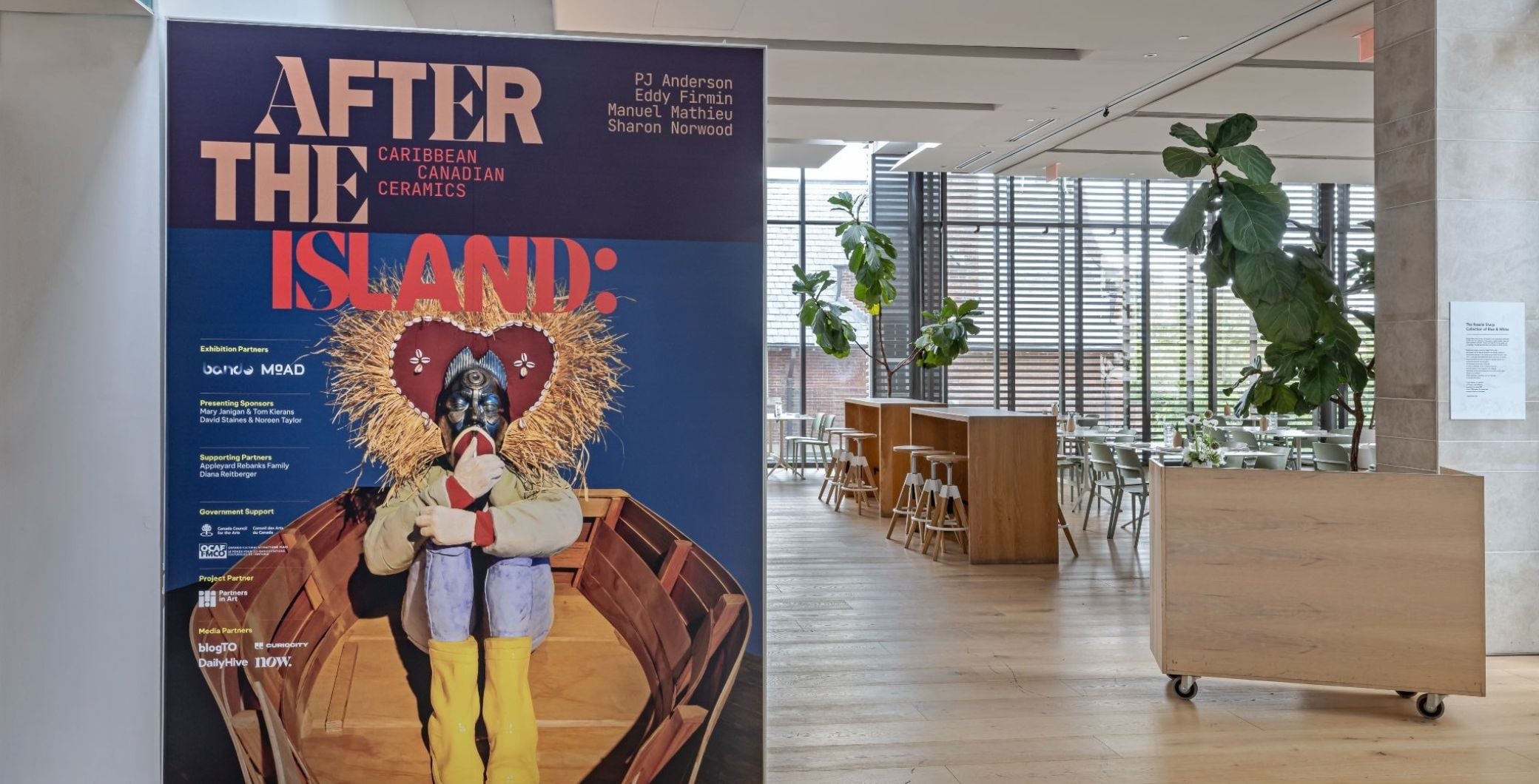
- After the Island: Caribbean Canadian Ceramics runs until April 25, 2027.
- The exhibition features four artists: PJ Anderson, Eddy Firmin, Manuel Mathieu and Sharon Norwood.
- Works span ceramics, sculpture, painting, scent and interactive installations that explore identity, ancestry, colonialism and belonging.
- Presented in partnership with Black Artists’ Networks in Dialogue (BAND), the exhibition invites visitors to engage with the stories and histories embedded in the art.
What does it mean to carry Caribbean identity in Canada? A new Gardiner Museum exhibition explores that question through ceramics, sculpture and interactive art.
Visitors can use a joystick to navigate a digital version of an artist’s body, approach ceramic punching bags that rotate in response to their movements, and explore a room full of installations that challenge how we understand Black identity, belonging, beauty and the value of objects often overlooked.
After the Island: Caribbean Canadian Ceramics takes over the museum’s third floor Exhibition Hall, bringing together the work of four Canadian artists with Caribbean roots: PJ Anderson, Eddy Firmin, Sharon Norwood, and Manuel Mathieu.
Presented in partnership with Black Artists’ Networks in Dialogue (BAND) and the Museum of the African Diaspora (MoAD), the exhibition explores how Caribbean histories and identities continue to shape the lives and artistic practices of Canadians.
The Gardiner Museum’s Chief Curator and Deputy Director, Sequoia Miller, is excited to shine a light on the talent brewing in Canada.
“There’s such a rich and strong Caribbean community here in Toronto,” he tells Now Toronto.
And while the entire museum focuses on art made with clay, ceramics isn’t an isolated art form here. The exhibition pulls together sculpture, painting, interactive technology and scent to examine questions of ancestry, migration, labour, protection and belonging.
“There’s so much about ceramics that resonates with us as human beings. It evokes our body, our connection to the land, and a sense of tactility. Clay can act as a record of human presence.”
For Haitian-born co-curator and BAND Gallery director Joséphine Denis, the exhibition also demonstrates how artists can use clay to communicate histories and experiences that are often left out of traditional narratives.
“I think each of the artists offers something that will surprise you,” she said. “ [Caribbean Canadians] should be celebrated as people who have given to the city and this country much more than we talk about.”
Art that asks visitors to participate
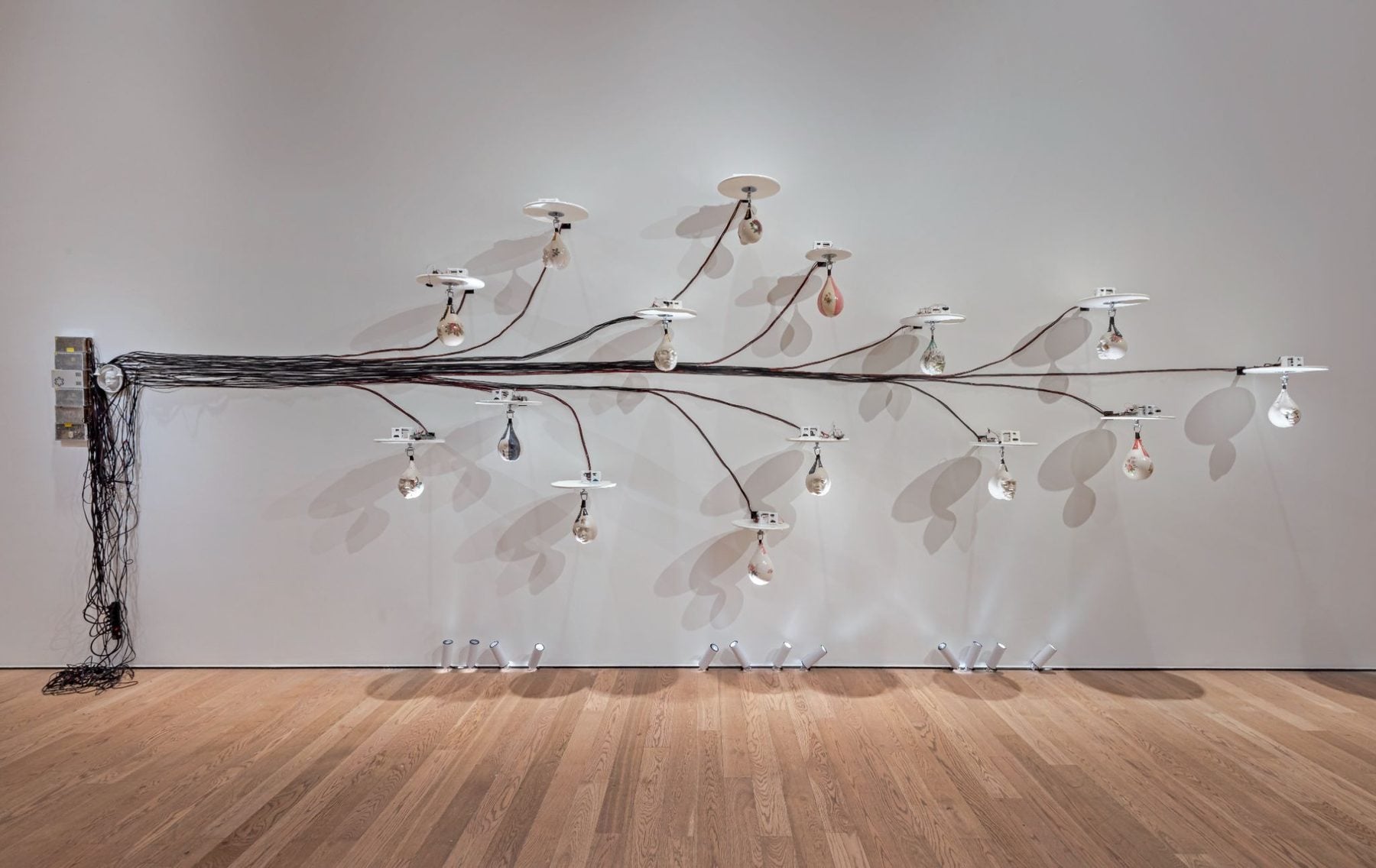
One of the exhibition’s most immediate encounters comes from Guadeloupe-born artist and researcher Eddy Firmin, whose interactive installation features ceramic punching bags decorated with human faces and floral details.
As visitors approach, the bags rotate. The work asks viewers to consider how bodies absorb, anticipate and resist violence, particularly in the context of racism and colonial histories.
Elsewhere, a joystick-controlled video game allows visitors to navigate a digital rendering of Firmin’s body, uncovering stories connected to the African diaspora from limb to limb.
Other works in the exhibition by Firmin include a life-sized ceramic figure in a boat, alongside an inverted world map showing ancestral connections across the globe.
The experience brings his research on body politics into a physical, interactive setting, inviting visitors to consider how identity is shaped by histories and systems that extend beyond individual experience.
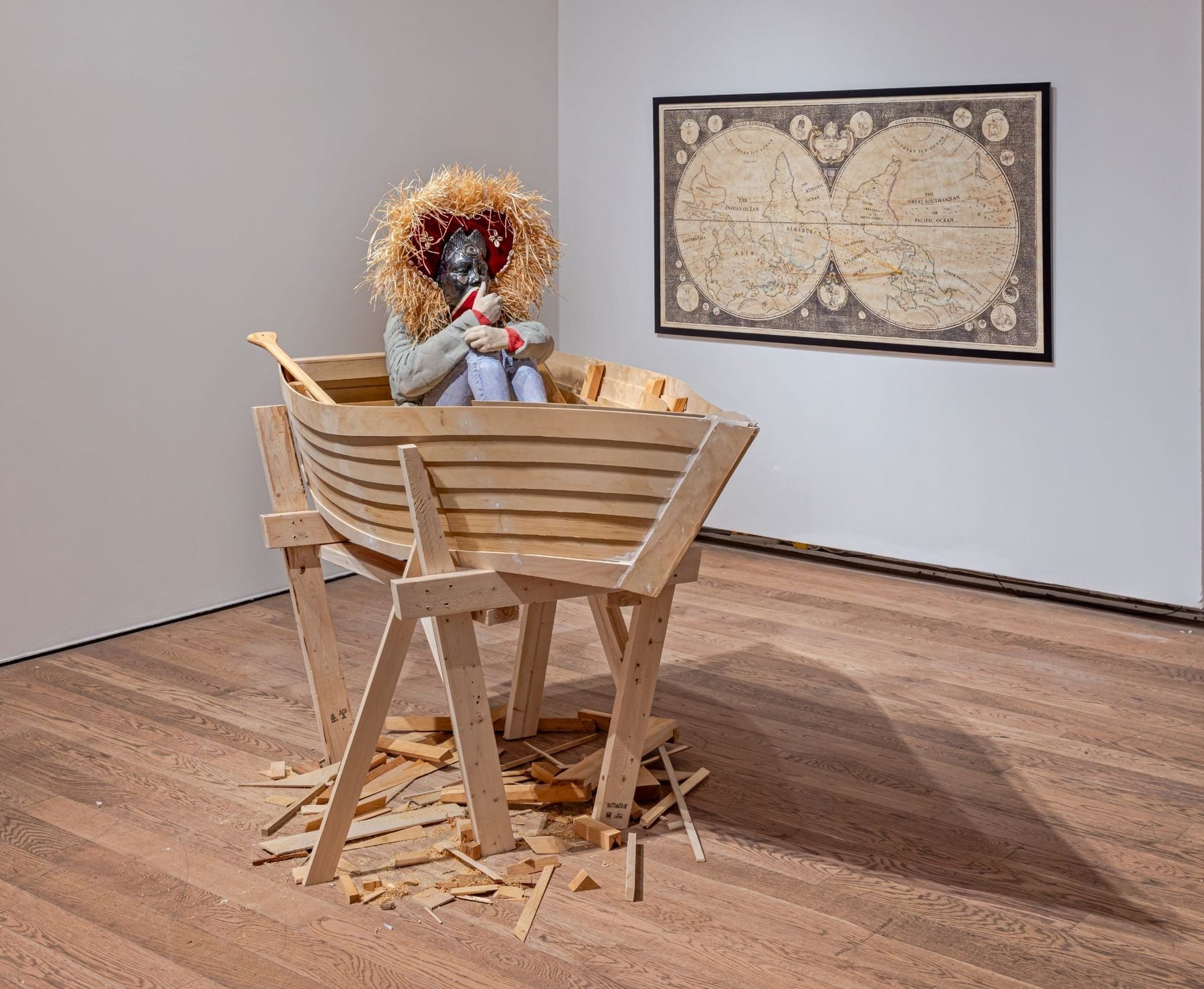
“I’m coming from all over the world, but I’m Black. So, what does it mean to be Black? There is a lot of complexity in that identity,” he said.
Finding protection in clay
For PJ Anderson, clay becomes both armour and a container for questions about identity, heritage and self-defence.
Drawing on her Afro-Jamaican and Red River Métis heritage, the artist creates sculptural vase-like forms that blur the line between protective objects and weapons. Her works incorporate references to science fiction and futurism, alongside details connected to Jamaican culture.
Vessels feature bead-like adornments that evoke grenades, guns, and the colours of the Jamaican flag, bringing together references to protection, cultural identity and politics.
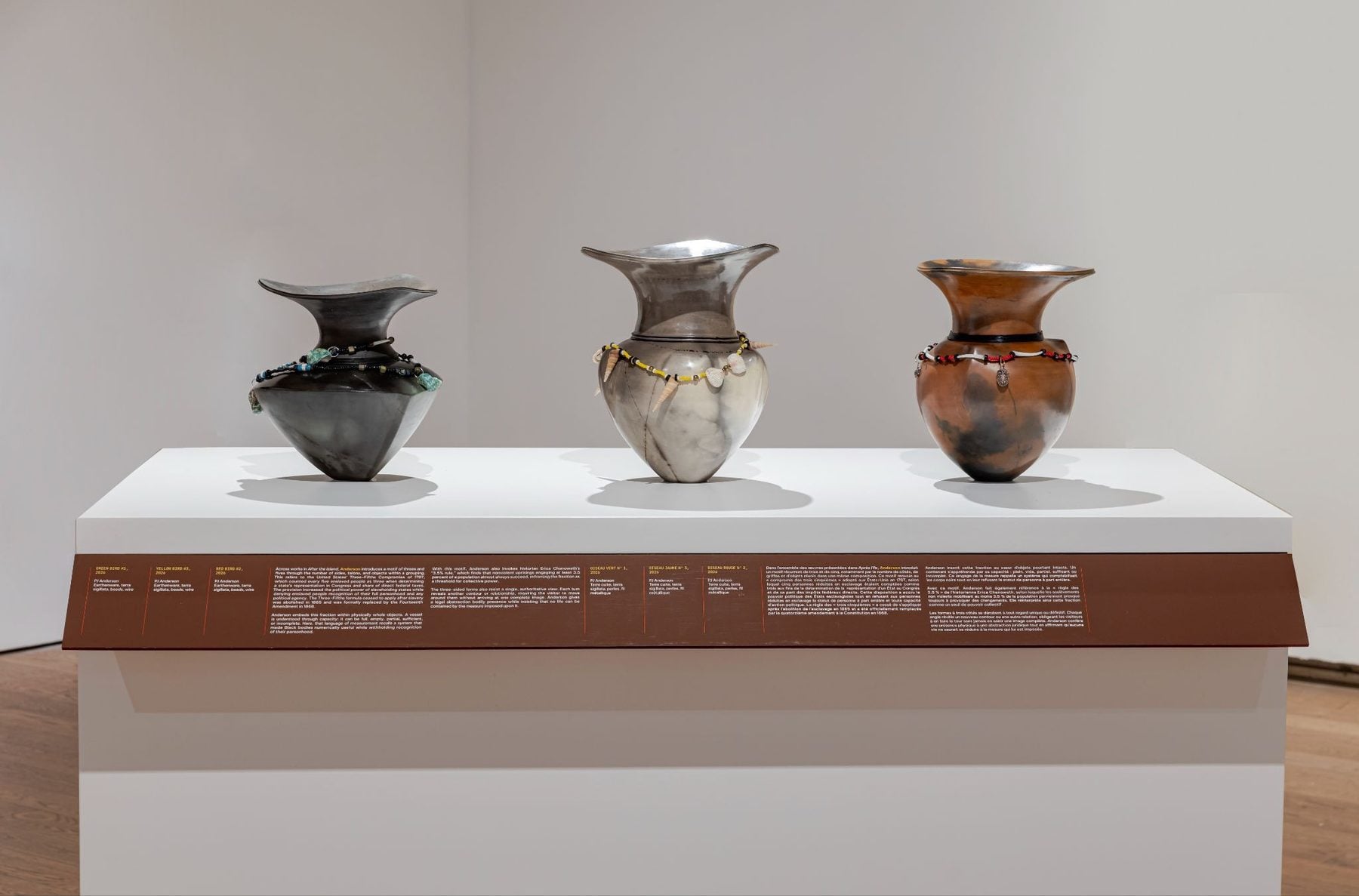
Anderson’s work also reflects her experience growing up in Thompson, Manitoba, a northern mining town with a West Indian community shaped in part by Caribbean migration during the 1970s. Her father was among those who came to the community for work.
Her sculptures consider how cultural connections can endure across generations and geographies, while asking what it means to feel safe in one’s own body.
“All I really want is for people to experience the work and to have some sort of feeling, reaction, or impulse. It doesn’t really matter what it is, just as long as they connect with it in one way or another,” Anderson said.
Who gets to decide what is precious?
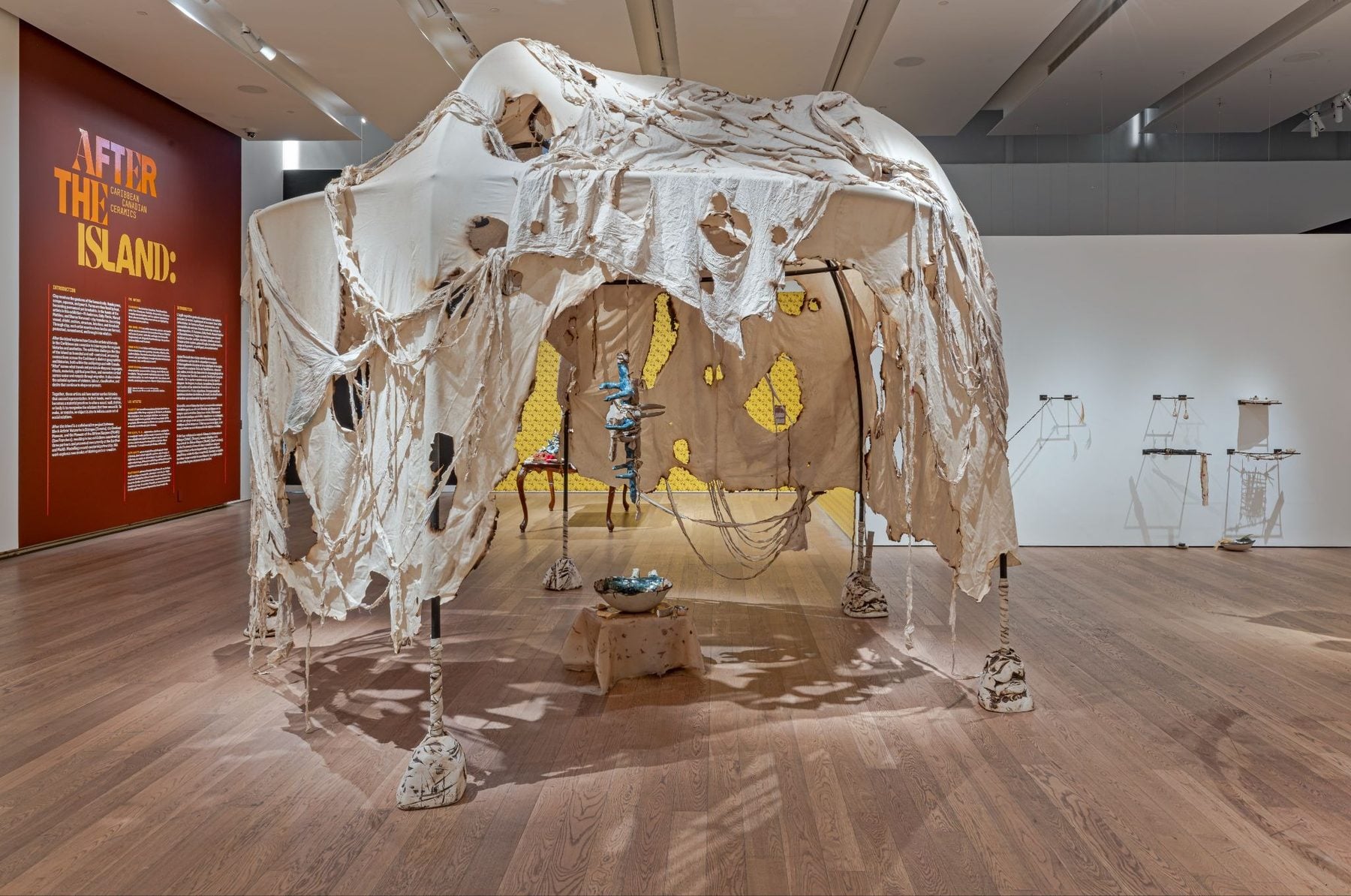
Sharon Norwood takes a different approach, turning household objects and decorative traditions into a conversation about Black womanhood, labour and value.
She brings together vintage Caribbean dinnerware, books, textiles, embroidery and ceramic sculptures in an expansive reinterpretation of the formal dining table, set against wallpaper patterned with a repeating ackee fruit motif. Deliberately elaborate and somewhat chaotic, the installation draws attention to objects associated with refinement and wealth while questioning the labour that made such displays possible.
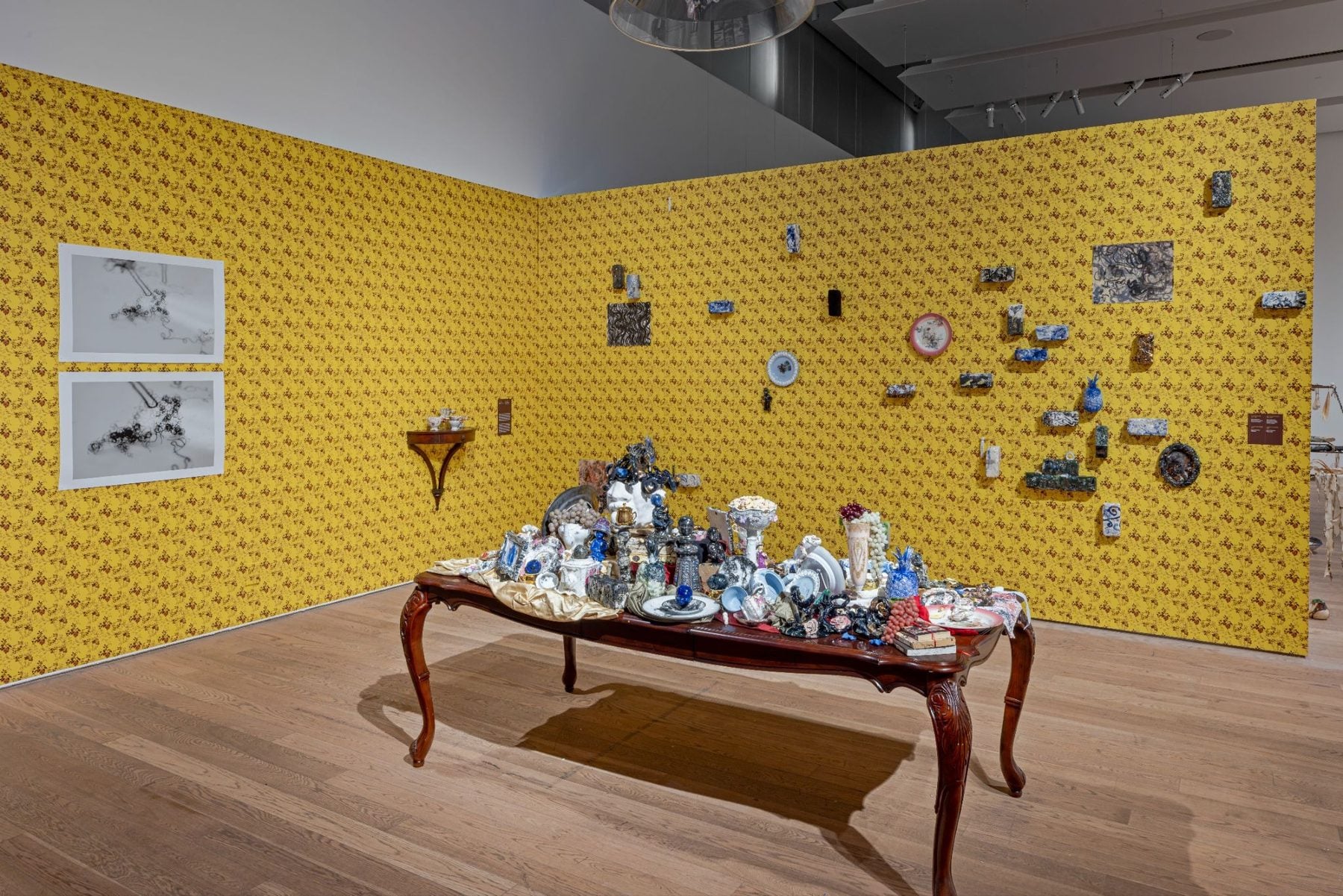
Pristine porcelain sits alongside scrapped materials and references to Black hair, challenging the assumptions behind what society considers beautiful, valuable or worthy of preservation.
The installation also connects to Norwood’s exploration of what it means to navigate Canadian identity and Black Jamaican identity while living between cultures.
“It’s a way for me to talk about my experience, and perhaps have folks who have similar experiences understand or feel valued in their thinking and their ways of navigating spaces,” Norwood explained.
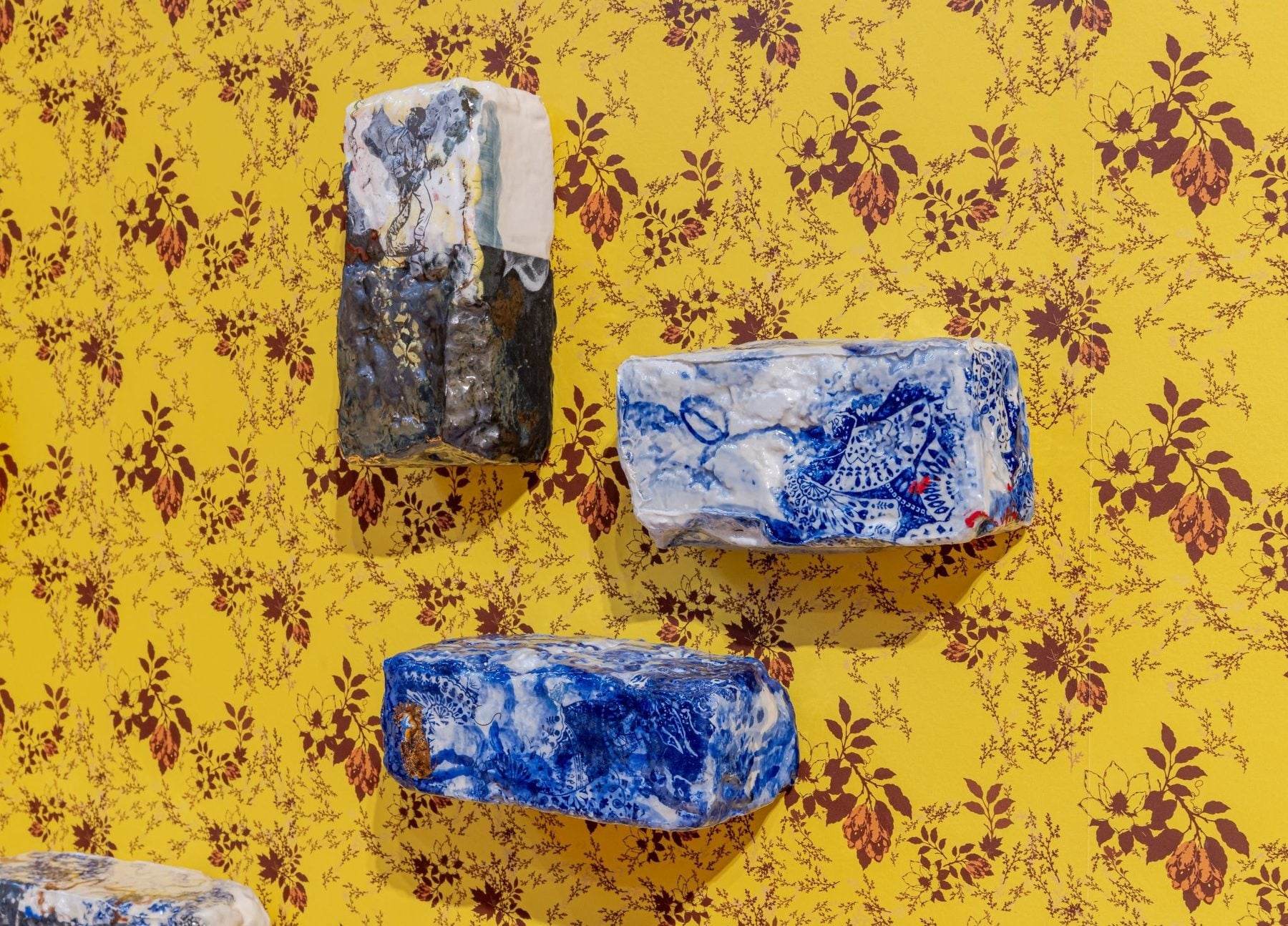
Among the details to look for is a little girl wearing a service bell on her head — a piece Norwood has described as a favourite element of the work.
“I feel like that piece speaks to me because there’s an innocence but there’s also a weight to it,” she described.
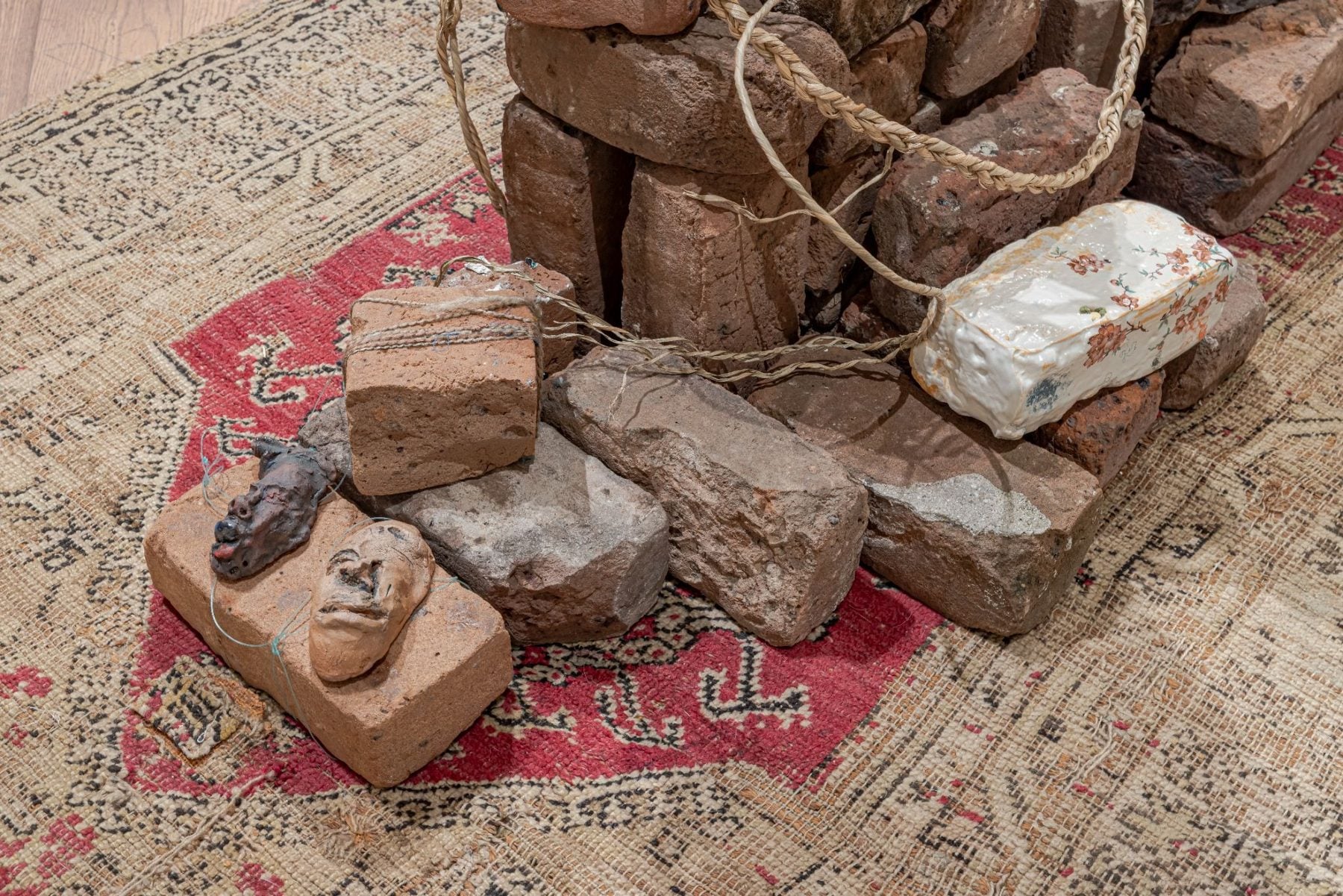
Elsewhere in the exhibition, Norwood incorporates historic bricks found in her own backyard in Savannah, Georgia, bearing the impressions of the hands of enslaved people. Their presence preserves traces of the labour behind our environments, offering a tangible record of people whose contributions have often been excluded from official histories.
“I hope visitors see themselves in the work, and I hope they’re able to consider others in the work. I’m hoping that they see how they support or can dismantle systems just by their everyday actions and how they interact with the world,” she said.
An exhibition that stays with you
Together, the works in After the Island ask visitors to consider what we inherit — from family, migration, colonialism and the places we call home — and how those histories continue to shape our present.
The exhibition is on now at the Gardiner Museum through April 25, 2027. Admission is included with general museum entry, and the museum also offers a $30 annual pass with unlimited admission for a year. Get tickets and plan your visit today at gardinermuseum.com.