What to know
- A Rentals.ca survey of 218 Toronto renters found that 23 per cent remain undecided about who to vote for in the mayoral election.
- Among respondents who had chosen a candidate, 32 per cent said they intended to vote for Olivia Chow and 10 per cent for Brad Bradford.
- Housing policies ranked as a top priority, with 69 per cent giving them a five out of five importance rating when deciding their vote.
- Renters want more rental housing options, more family-sized units and stronger protections for existing affordable housing.
- Affordability and maintenance remain major concerns, as 64 per cent said finding an affordable rental had become harder over the past year, while 64 per cent want stronger maintenance enforcement and repairs.
Election day is officially one day away, and many of those who rent in the city are revealing that housing will be at the centre of their decision, as many remain unsure on who to vote for.
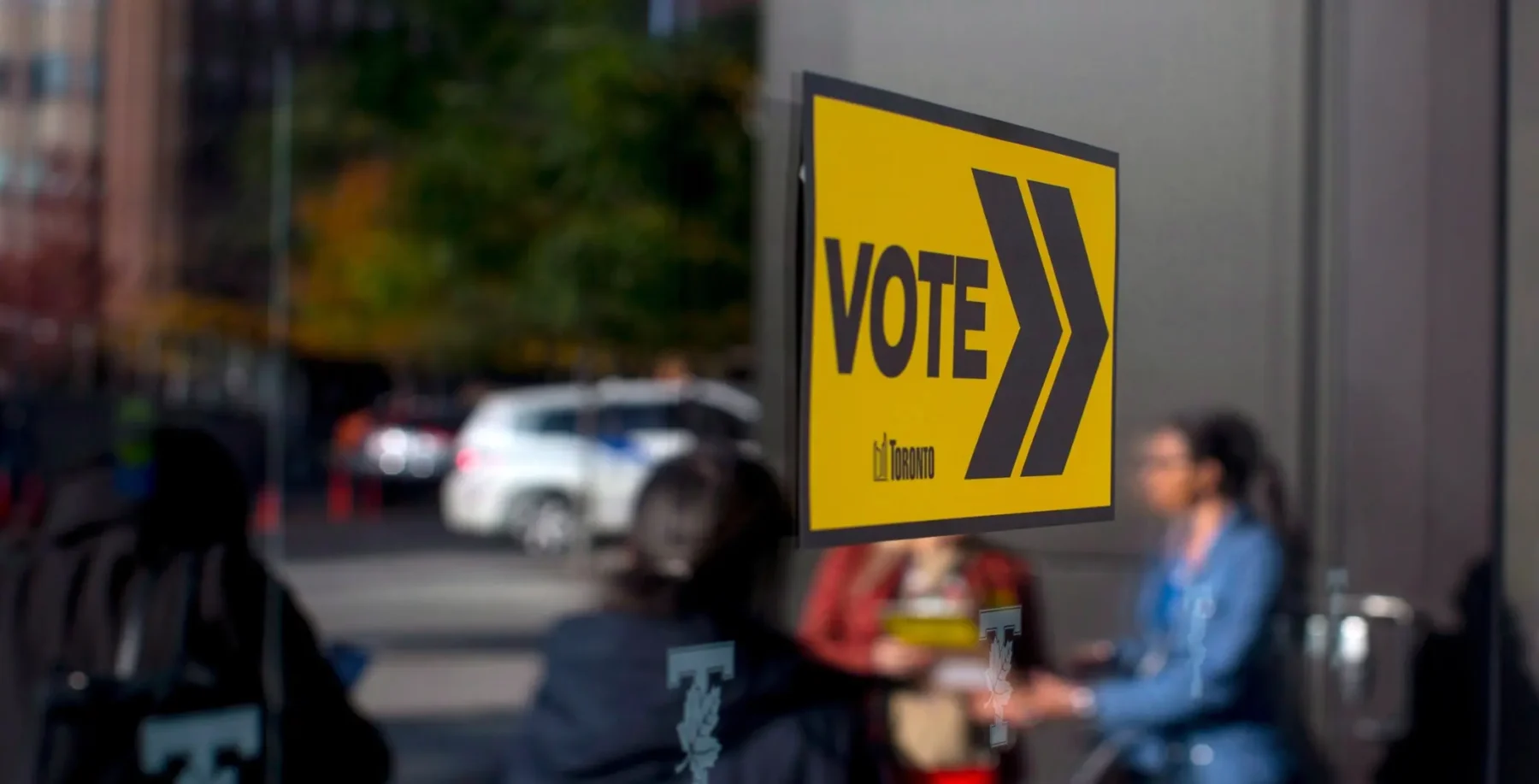
Toronto’s mayoral election is taking place on Oct. 26, when eligible voters will decide on who will be the city’s next mayor, ward councillors, and school board trustees.
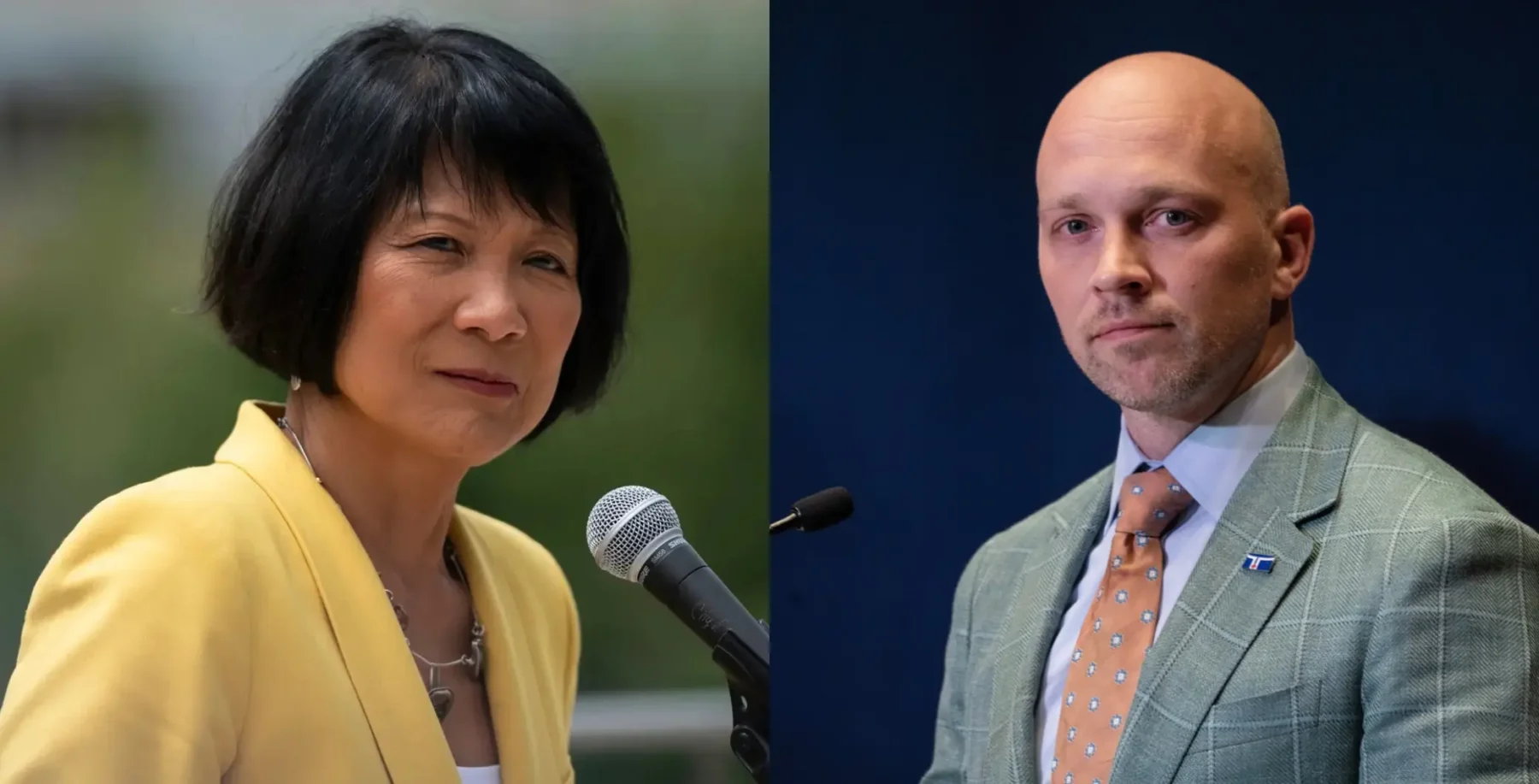
With the latest election polls indicating a statistical tie or conflicting narrow leadership between leading candidates Brad Bradford and Olivia Chow, a new renter-focused study is revealing that many tenants remain undecided.
Read More
Published on Thursday, the Rentals.ca study, which is separate from the general election polling, surveyed 218 people who rent a home in the city.
The poll revealed that 23 per cent of respondent renters say they are still undecided about who should take their vote. While 10 per cent preferred not to reveal it and 17 per cent said they are not eligible to vote in the city.
Among those who are decided, 32 per cent said they intend to vote for Chow and 10 per cent for Bradford.
Housing a top priority for many
Housing policies are expected to be a major decision breaker among voting renters.
Overall, 69 per cent of respondents ranked housing policies as having a five out of five importance when it comes to deciding their votes.
Even those who are still undecided said that housing will be at the top of their list of priorities when deciding to cast their ballots. Sixty-one per cent of undecided respondents said housing is a five out of five priority in this election, while 92 per cent rated it at least four out of five.
For them, how candidates plan to address affordability, housing supply, and maintenance could make a huge impact on their decision.
On the other hand, many still seem uninformed about the main candidates’ campaign promises, with 58 per cent of overall respondents saying they are not at all or only slightly informed about mayoral candidates’ housing plans.
Meanwhile, only seven per cent said they believe they are very informed about housing campaign promises.
Renters want more homes and more variety
That renters want to see more housing policies in these elections is already clear. But what kinds of policies do they want to see?
When asked about how the city can improve its rental market, most renters pointed to inventory, with 53 per cent saying they want to see rental housing of all types.
Another 52 per cent said they want to see a wider range of housing types and sizes, including more family-sized homes for rent. Coming in third, 45 per cent of renters said they want mayors to protect existing affordable housing.
Other priorities included safer neighbourhoods (44 per cent), better and cheaper transit (42 per cent), and better maintained public spaces (37 per cent).
Affordability, maintenance remain priorities for many
The majority of poll respondents also revealed that finding a rental home they can afford has become increasingly difficult recently.
In the past year, 64 per cent of respondents said it has become harder to find an affordable home in the city, while 41 per cent of those said it has become much harder.
Only 23 per cent said the difficulty has remained the same, while 13 per cent said it has become easier.
Renters expect to see more action from the next administration over housing affordability, with 49 per cent saying they think the city should directly build and fund affordable and controlled-rent housing. Meanwhile, 41 per cent said they’d prefer to see a mix of public and private solutions.
On the other hand, development charges didn’t seem to be a big priority. Only six per cent of respondents said the city should cut red tape and taxes for private developers, and four per cent were unsure.
In addition to pricing, many cited units’ maintenance as a top priority for the next administration.
When asked about what renter protections the mayor should prioritize, 64 per cent said they want to see more maintenance enforcement and repairs, while 53 per cent said they want to see more action against offending landlords, 47 per cent want to see action against renovictions and bad-faith evictions, and 35 per cent want to see more funding for rent banks and eviction prevention.
Renters mixed on property taxes
When it comes to property taxes and fees, renters had mixed opinions.
Property taxes have been a prominent topic on these elections, with mayoral candidate Bradford having promised to freeze the Municipal Land Transfer Tax and introduce a property tax freeze, after Chow raised them three times since being elected.
Read More
Among respondents, 29 per cent said they believe the mayor should in fact freeze or cut property taxes, even if that means cutting revenue for other public services.
However, 27 per cent said the mayor should raise the taxes in line with inflation, and 12 per cent believe they should be above inflation to support other public services.
About 33 per cent of respondents said they were unsure on what the mayor should do.