What to know
- Former Canadian soccer player Jordan Wilson says Canadians don’t have to choose between supporting Canada and their family’s country of origin during the FIFA World Cup.
- Wilson, who has English and Jamaican roots, says embracing multiple identities is a key part of the Canadian experience.
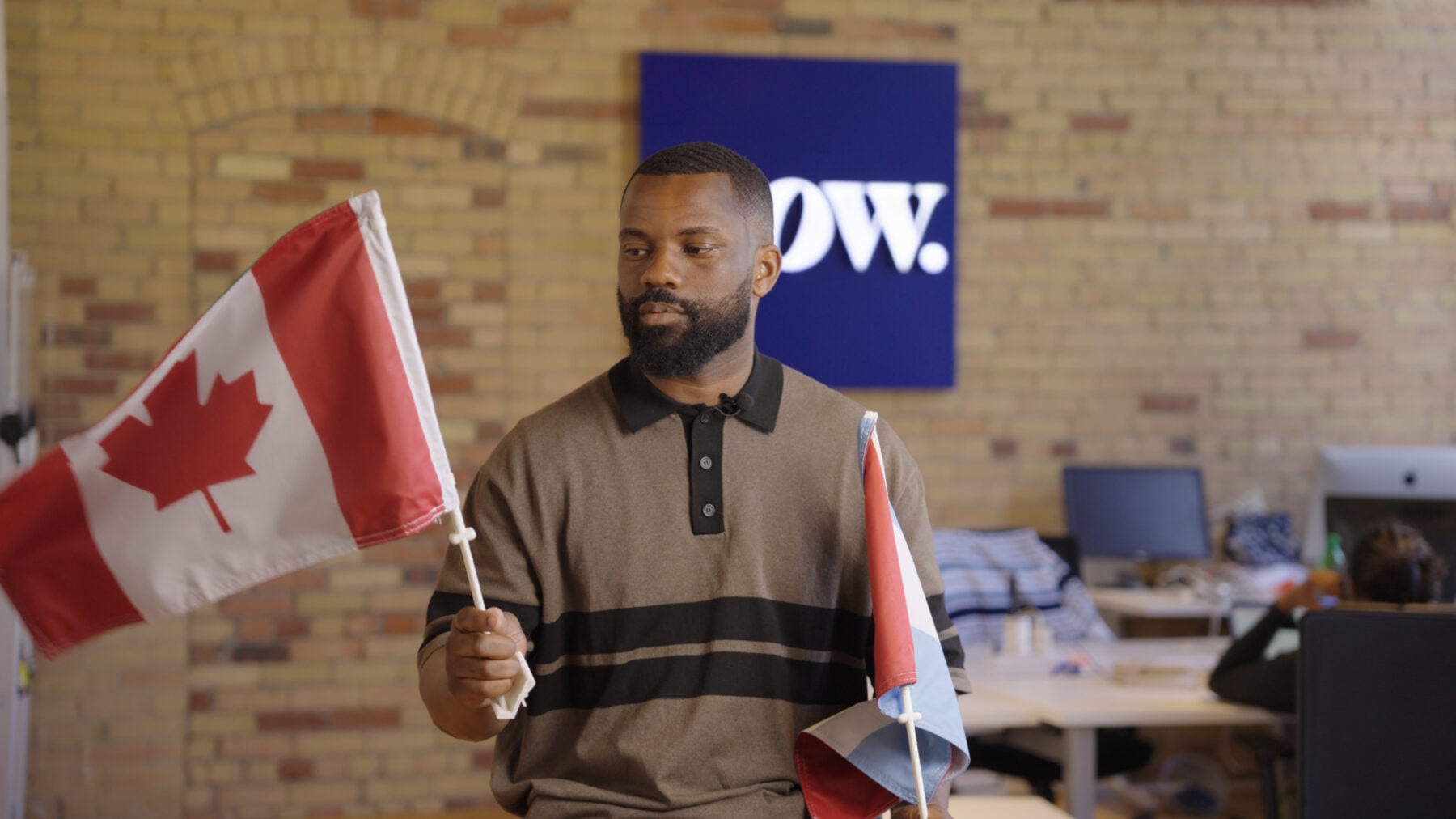
- He partnered with Volkswagen on a dual-sided flag initiative that allows fans to celebrate both Canada and their heritage countries.
- Wilson also credits immigrant communities with helping grow soccer in Canada and says the World Cup is an opportunity to honour that legacy.
As the FIFA World Cup prepares to kick off in Canada for the first time, former Canadian professional soccer player and analyst Jordan Wilson is encouraging Canadians to embrace both their national identity and their cultural heritage while supporting the tournament.
Why supporting two countries isn’t a conflict
When the World Cup arrives in Toronto on June 12, many Canadians, particularly first- and second-generation Canadians, may find themselves torn between cheering for Canada and supporting the country their family comes from.
But Wilson, who grew up in Mississauga and has family roots in England and Jamaica, says fans don’t have to choose between the two.
“I think that is the Canadian experience. I think most of us are second-generation, third-generation Canadians,” he told Now Toronto. “You can honour both of them with both of the flags.”
It’s a message that inspired Wilson’s partnership with Volkswagen on a new initiative featuring dual-sided soccer flags that represent both Canada and fans’ heritage countries—an idea that resonates deeply with his own upbringing.
“Growing up here in Toronto, it’s like Jamaicans raised me. But the Italian parents, the Portuguese, the Greek communities, everyone in the community was Canadian as well,” he said. “So I feel like it’s important to kind of honour that … Everyone comes together.”
According to Wilson, celebrating multiple identities is about more than personal pride. It’s also an opportunity to connect with neighbours and communities at a time when meaningful connections can feel increasingly important.
“It’s just a perfect time to connect, have a drink, have a meal with people that you know and love, and also connect with people that you’ve never met before,” he said.
The communities that built Canadian soccer
The former professional player says the recent rise of Canadian soccer didn’t happen overnight.
Wilson says long before sold-out national team matches and World Cup excitement, immigrant communities were building local clubs, organizing leagues and introducing future generations to the game.
Wilson sees the tournament as an opportunity to recognize those immigrant communities that helped build soccer’s popularity in Canada long before the sport’s recent surge in mainstream attention.
Wilson credits generations of newcomers with laying the foundation for the growth of the game across the country.
“We can never say thank you enough because they’re the ones that are making this possible as well,” he said. “So I think any moment you can, whether it be parents, grandparents, pioneers in the game, you have to kind of pay homage to them.”
He believes initiatives like Volkswagen’s dual-flag campaign help create opportunities for people from different backgrounds to come together during a global event that may not return to Canada for decades.
“The fact that we’re taking this time to really do all these things, I think is important to build the game for little boys and girls growing up,” he said.
Toronto may be one of the best examples of Wilson’s point
The city is home to some of the largest Italian, Portuguese, Greek, Jamaican, South Asian, Caribbean and African communities outside their countries of origin. During previous World Cups, neighbourhoods across the city have transformed into celebrations of heritage, with fans filling patios, parks and streets to support teams from around the globe.

This year, with the tournament being hosted on Canadian soil, many residents are expected to find themselves balancing two loyalties: the country they call home and the country that helped shape their identity.
For Wilson, that isn’t something to be resolved. It’s something to be celebrated.
For Wilson, the World Cup isn’t just about wins and losses
It’s about bringing people together.
Whether fans are waving a Canadian flag, a Jamaican flag, a Portuguese flag or both at the same time, he believes the tournament offers a rare opportunity to celebrate what makes Canada unique.