What to know
- Toronto residents are reacting after Mayor Olivia Chow introduced a motion to explore banning surveillance pricing, which uses consumers’ personal data to personalize prices.
- The proposal follows similar efforts by Ontario NDP Leader Marit Stiles, as well as legislation already adopted in Manitoba and New York City.
- Some residents described the practice as “terrible,” raising concerns about privacy, consent and companies charging different prices for the same products.
- Some said governments should regulate surveillance pricing, while others said businesses should be required to obtain consumers’ permission before collecting personal data.
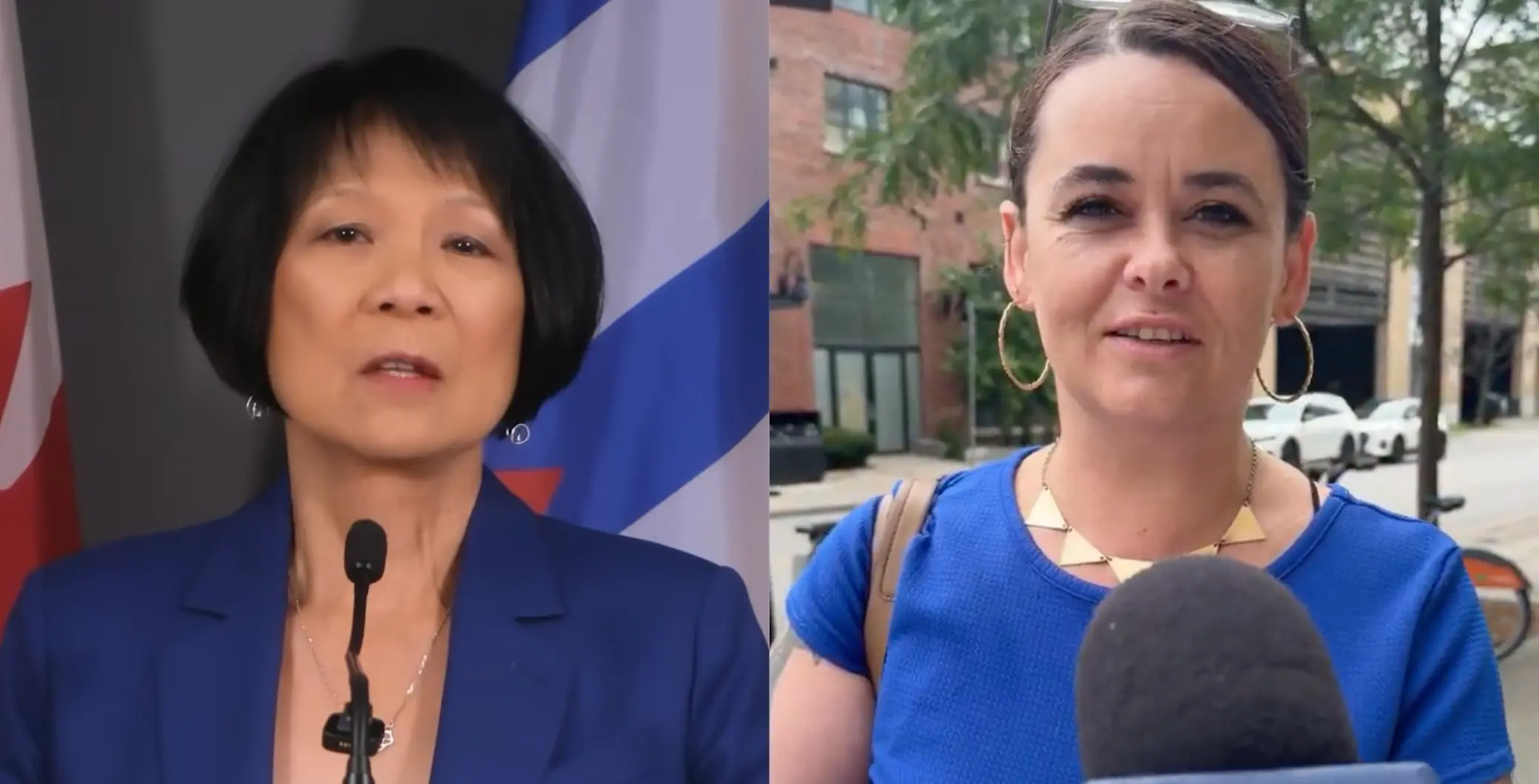
Toronto residents are weighing in after Mayor Olivia Chow introduced a motion asking city staff to explore banning or regulating surveillance pricing.
The mayor’s motion calls on city staff to identify possible ways to ban and regulate the practice, with recommendations expected to be considered by councillors next year.
Surveillance pricing uses personal data, such as browsing history, shopping habits or device type, to estimate how much someone is willing to pay and tailor prices accordingly.
According to Chow, the technology can be “predatory” towards consumers who already struggle with rising living costs, especially when used to determine the price of essential items, such as groceries.
“Torontonians are struggling with rising costs, making tough choices to make ends meet. At the
same time, big tech and retail giants are capitalizing by monitoring our activity and using the
information to extract maximum profit,” she said in the motion.
“As the level of government closest to peoples’ daily lives, we cannot ignore
these practices or simply wait for the federal or provincial governments.”
Some residents Now Toronto spoke with opposed surveillance pricing, citing privacy and affordability concerns, while one resident said he would support the technology if it helped lower grocery prices.
Read More
Other governments taking action
Chow is not the only politician to raise concerns about surveillance pricing.
Earlier this year, Ontario’s Opposition Leader Marit Stiles proposed legislation to ban the practice in the province’s grocery stores, but her motion was voted down by other MPPs.
Read More
Manitoba’s government also amended its Business Practices Act to ban companies from using consumers’ personal information to modify prices back in March, as the government aimed to protect residents.
New York City has also passed legislation to ban surveillance pricing in the city.
Torontonians weigh in
With Chow now moving to take action, Now Toronto asked some Toronto residents for their takes on surveillance pricing.
One resident, Nick D. said he does not approve of the practice, and believes standard prices should be established, especially for essential items. The resident also said he believes the practice should be regulated by governments.
“I think that’s terrible. I don’t think that should be a thing. I think that your shopping habits shouldn’t matter, because then where does it end? It feels like there’s really no end to that,” he said. “It feels like a different form of price gouging.”
Another resident, Bonni B., also called the idea “terrible,” suggesting residents should look for alternatives to avoid overpaying for groceries, including growing their own food. In addition, she said companies should seek permission from consumers to collect their personal data.
“They should ask the people first. People should be able to give consent to it. They shouldn’t be able to just by themselves go, ‘Hey, we’re gonna track you,’” she said.
A different resident, Gibril S., shared these concerns for privacy, saying gathering data from residents feels like a violation of privacy.
“It’s all part of unnecessary information gathering…It depends on how they gather the data. I don’t really have a problem with it, but it’s just an extra thing for people to monitor what you do and how you do it and what you spend on. It’s too many eyes for no reason,” he said.
However, he said if surveillance pricing led to lower grocery prices, he would support its use.
“I’m gonna go where the price is right. So if the surveillance pricing leads to lower prices, I’m all for it,” he added.
Meanwhile, Kevin G. said he doesn’t support the practice, saying he believes prices should be set traditionally at grocery stores. Additionally, he said he’d change grocery stores if he knew they were using surveillance pricing.


