What to know
- One batch of Toronto mosquitoes has tested positive for West Nile virus, marking the city’s first positive mosquito test of 2026.
- Toronto Public Health places 22 traps across the city each week from mid-June until mid-September to collect and test mosquitoes.
- Most infected people develop no symptoms, but adults aged 50 and older and people with weakened immune systems face a greater risk of severe illness.
- Residents can lower their risk by using insect repellent, covering exposed skin and removing standing water where mosquitoes can breed.
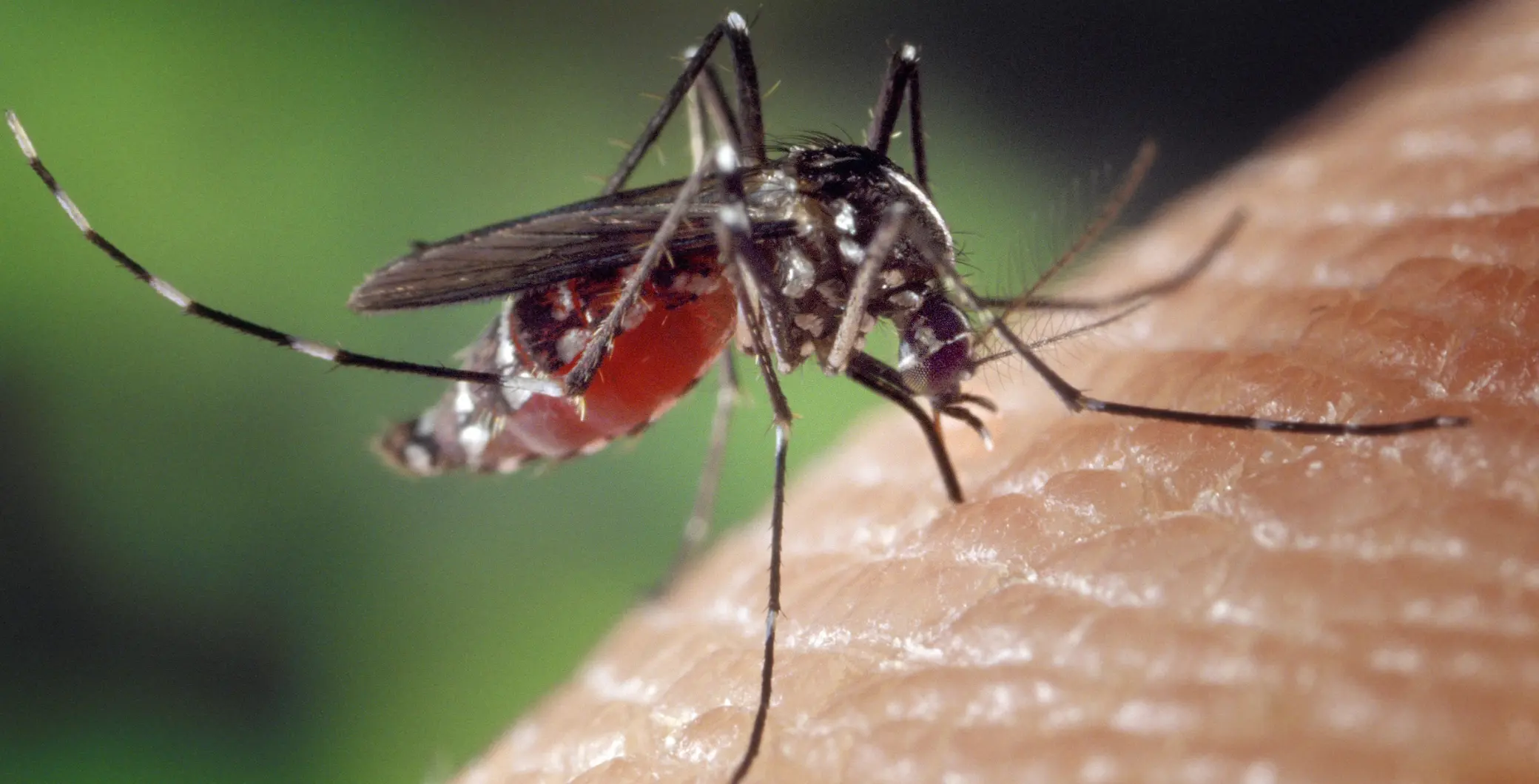
Toronto has detected its first West Nile-positive mosquitoes of the year, prompting public health officials to remind residents to take precautions while spending time outdoors.
In a news release issued Friday, Toronto Public Health (TPH) confirmed that one batch of mosquitoes collected in the city tested positive for the virus.
The finding involves mosquitoes and is not confirmation of a human case. TPH also said the risk of becoming infected with West Nile virus in Toronto remains low.
West Nile virus is mainly transmitted to people through the bite of an infected mosquito.
According to the Public Health Agency of Canada, people are generally most at risk between mid-July and early September, when mosquitoes carrying the virus are most active.
How Toronto monitors mosquitoes
TPH conducts mosquito surveillance each year from mid-June until mid-September.
Every week, public health officials place 22 mosquito traps across Toronto. The mosquitoes collected from those traps are sent to a laboratory for identification and West Nile virus testing.
TPH did not disclose where the positive batch was collected in Friday’s release.
Alongside its surveillance program, the city applies larvicide to catch basins and stagnant-water sites where mosquito larvae are found. Toronto’s second round of larviciding for 2026 began around the second week of July and is expected to continue until approximately mid-August.
The program primarily targets Culex mosquitoes, which the city says are the most common carriers of West Nile virus in the Toronto area.
What symptoms should residents watch for?
Most people infected with West Nile virus do not become sick. The federal public health agency says approximately 70 to 80 per cent of infected people develop no symptoms.
When symptoms do occur, TPH says they usually develop between two and 14 days after a bite. Mild symptoms may include fever, headache, nausea, vomiting, body aches, a skin rash, and swollen lymph glands.
Adults aged 50 and older, people with weakened immune systems, and those with certain chronic health conditions face a greater risk of severe illness.
Fewer than one per cent of infected people develop serious symptoms affecting the brain or spinal cord, according to the federal agency. Warning signs can include a sudden, severe headache, high fever, stiff neck, confusion, difficulty swallowing, muscle weakness, loss of coordination, paralysis, or loss of consciousness.
Anyone who develops symptoms after a mosquito bite should contact a health-care provider, particularly if those symptoms are severe.
How to reduce the risk of mosquito bites
TPH recommends wearing light-coloured, long-sleeved shirts and long pants outdoors, particularly around dawn and dusk when mosquitoes are most active. Residents should also use a Health Canada-approved insect repellent and follow the instructions on its label.
Doors and windows should have tight-fitting screens without holes to help keep mosquitoes outside.
Residents can also reduce potential breeding areas by removing standing water from their properties. Water can collect in pool covers, buckets, planters, children’s toys, birdbaths, clogged gutters, tires and waste containers, giving mosquitoes a place to lay their eggs.
TPH recommends regularly emptying or cleaning these items, repairing outdoor leaks, and ensuring water does not pool around downspouts or air conditioners.


