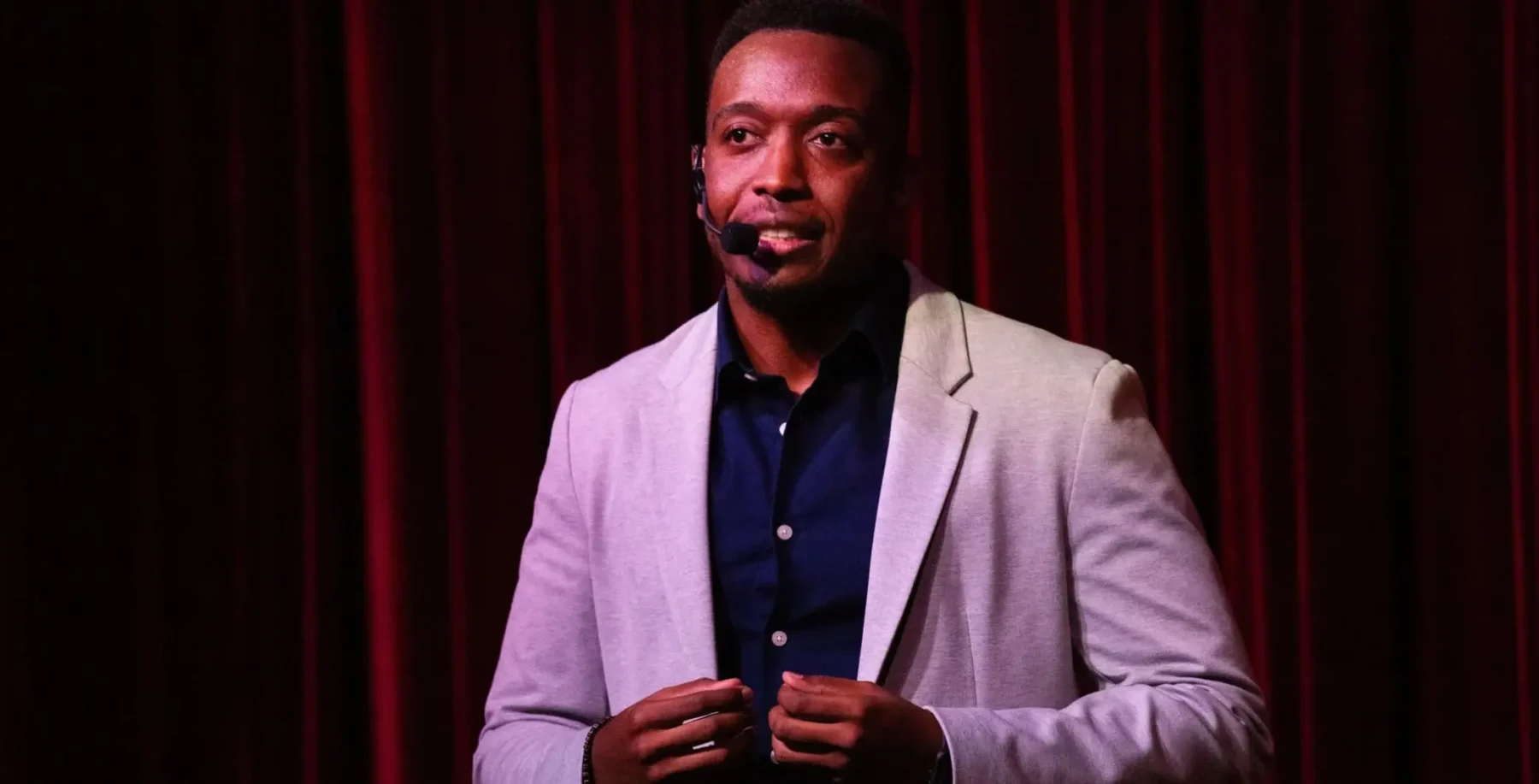
While the NDP faces a rough patch after losing its official status and leader following the federal election, one Toronto expert says it’s not the end for the party.
On Monday, Canadians headed to the polls and elected a new Liberal minority government, granting them 169 seats in the House of Commons.
The New Democrats encountered disappointing results on Tuesday, as the party came into the election with 24 Parliamentary seats and could only secure seven, losing its official party status.
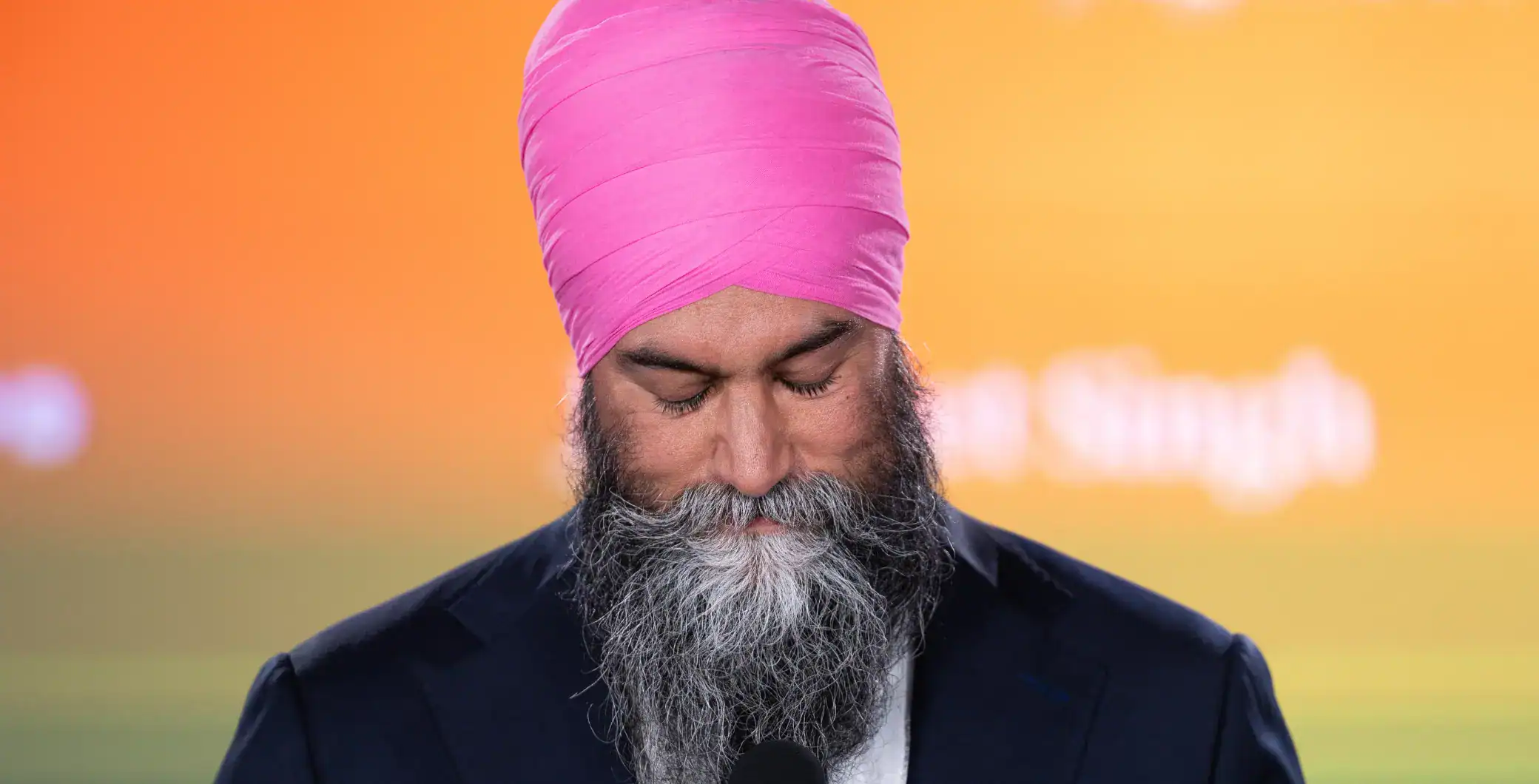
NDP Leader Jagmeet Singh was also unable to hold onto his Burnaby-Central riding, and announced on Monday that he would be stepping down as party leader.
“We may lose sometimes, and those losses hurt, but we’re only defeated if we stop fighting… I’ve met New Democrats from coast to coast to coast who will never back down,” he told supporters.
Read More
Following the disastrous results, NDP’s Vancouver-Kingsway MP Don Davies revealed that the party plans to fight to retain its official party status by bringing in a proposal into Parliament, during a conversation with Vassy Kapelos on CTV’s Power Play, which aired Tuesday night.
According to Davies, the seat number requirement for parties to hold official status is arbitrary, and Parliament should consider the NDP’s crucial history and influence in Canadian politics.
WHAT DOES IT MEAN TO LOSE OFFICIAL PARTY STATUS?
To have official status in the House of Commons, parties need to hold at least 12 seats, and are then able to receive a few advantages, such as additional financial allowances and research funding, according to the Parliament of Canada Act.
These parties also have an advantage when it comes to speaking during House of Commons meetings, as unrecognized party members are only allowed to take the floor after official party members have had a chance to speak, “in proportion to their membership in the House.”
Although it doesn’t mean that they don’t have a right to bring issues forward, it puts them at a disadvantage when speaking in the House, according to University of Toronto’s Munk School of Global Affairs and Public Policy Professor Drew Fagan.
“As opposed to a party with party status that has preferred rights to ask questions in the House of Commons and to speak on issues—that doesn’t mean they can’t, obviously, but they don’t have the status of a party. So, that is damaging, as well as the lack of public funding. Those are the two key aspects that are going to hurt them,” he said.
Fagan also said that the disappointing results of the last election might also further weaken the New Democrats, as MPs might feel pressured to do what they can to hold onto their seats, including moving to a different party.
“In being reduced from mid-20 [seats] to seven, they’ve also lost a number of capable MPs. If they had [more] seats, they might be more likely to run for leadership, and the problem [is that now] people might think twice about doing so, having lost their seat,” he said.
“Another point is related to how close the Liberals are to a majority, with 169 seats. All they need is three seats. For a majority, they’d like to gain those three seats, obviously. One obvious way to achieve that is to bloom a handful of MPs who didn’t win on Monday, cross the floor and join the Liberal government,” he added.
The professor believes that there is not much that the NDP can do to retain official party status until the next federal election, which could take up to four years to come by.
“It’s going to be tough, because they need, as I say, 12 seats… [and] they’re not going to get those until the next election, at a minimum. By that point, they’ll have a new leader, and times may have changed,” Fagan said.
CAN THE NDP MOVE FORWARD FROM THIS?
But the expert is also confident that the party will remain relevant despite the difficult times, pointing out its nearly century-long history in Canadian politics, and the fact that they bring in an additional option for undecided voters.
Although the NDP was only formally introduced in 1961, the new party was a result of a merger between the Canadian Labour Congress (CLC) and New Party clubs with the Co-operative Commonwealth Federation (CCF), which was originally formed in the 1930s.
Since then, according to Fagan, the party has gone through a few rough patches, including during Pierre Trudeau’s government in 1974, when the New Democrats passed a non-confidence motion to trigger an election, which backfired and resulted in them losing half of their seats. But even then, the NDP’s major influence in Canadian politics remained, and the party was able to survive, which Fagan predicted will be repeated this time around.
“I think they’re here for good. There’s a significant part of the Canadian electorate that leans left and has consciously left the Conservatives’ and the Liberals’, Liberals’ in particular, politics, their perspective,” he said.
“There’s a place in this country, in the DNA of the country, for a social democratic party. The circumstances on Monday were not in their favour. [But], the circumstances will change in the future. It’s not to say not to limit the challenges of their situation now, but I don’t think it’s existential for them,” he added.