What to know
- Many Torontonians say their “type” has changed as they gained relationship experience, shifting from physical attributes to emotional compatibility and shared values.
- Psychotherapist Michelle Liu, says types are rooted in early experiences, noting people often repeat what feels familiar, even when it isn’t healthy.
- Culture and family expectations can influence dating preferences, particularly in communities where marrying within the same culture or religion is encouraged.
- Liu says changing your type is common and often reflects growth, as people heal past patterns and learn what makes them feel emotionally secure.
In this edition of This Is Dating Now, we spoke with Torontonians about the traits they look for in romantic partners, and whether those preferences have changed over time.
While some people say their type has remained consistent, others say their priorities shifted as they aged, gained experience or re-evaluated what they actually needed in a relationship.
WHAT TORONTONIANS ARE SAYING
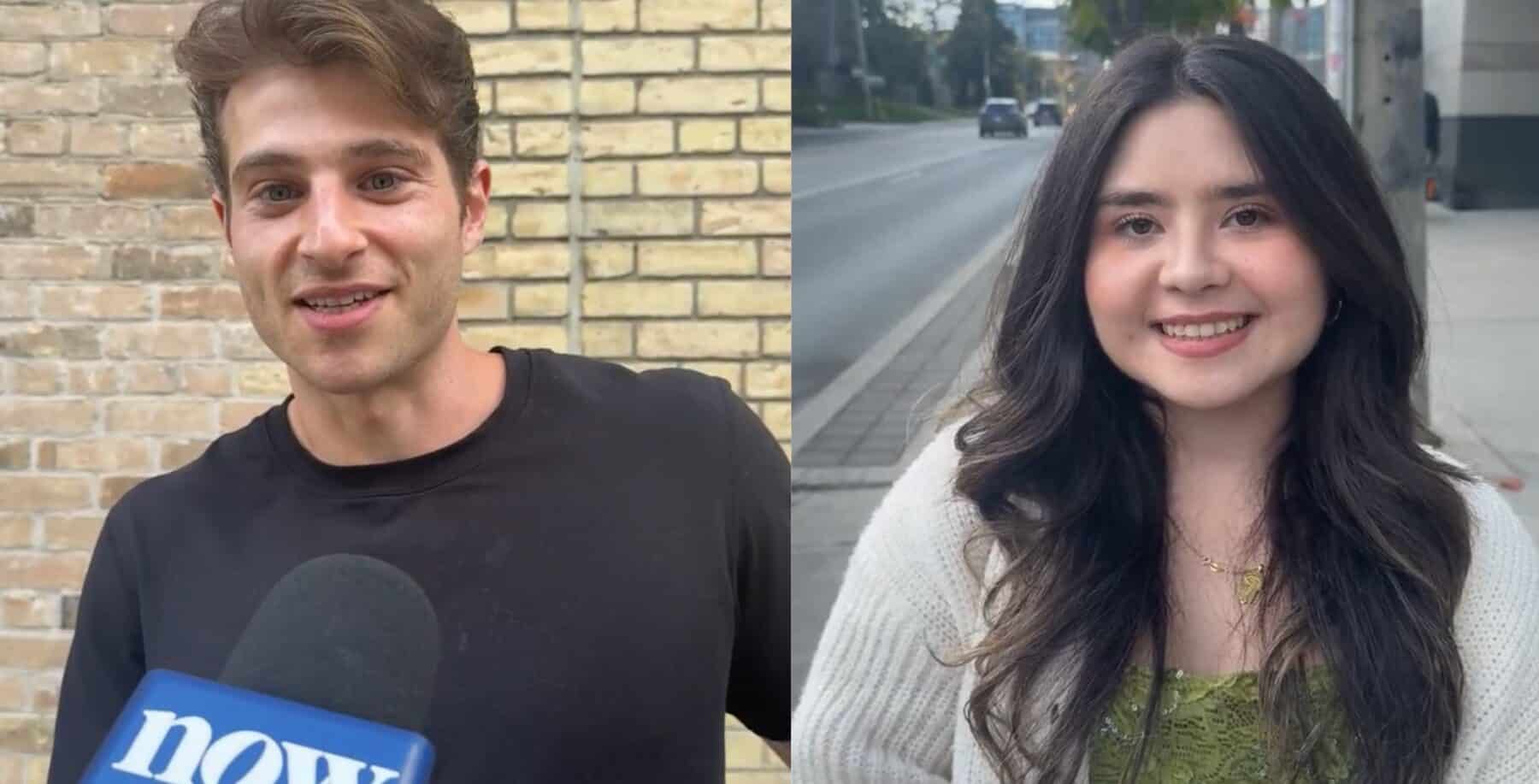
Austin, who has been in a relationship for a year, says he once focused more on physical attraction but now prefers someone “well-rounded in most areas.”
Based on past experiences, he says he now has a clearer sense of what works, and what doesn’t.
“You kind of know what you want [and] what you don’t want,” he said. “It definitely evolved after being in and out of relationships.”
For Altay, emotional intelligence has replaced physical attraction as the priority.
“They should be able to understand you on an emotional level,” he said.
But that hasn’t always been the case. When he was younger, he often failed to look beyond the surface-level characteristics in a partner: “Just attraction and any type of closeness. My brain was working less.”
Daniel describes his partner of 15 years jokingly, through his physical, attractive traits: “masculine, beard, trucker hats.” But he says their long-term compatibility came from shared interests and values, not looks.
“We were at university together in England,” he said. “We had similar interests.”
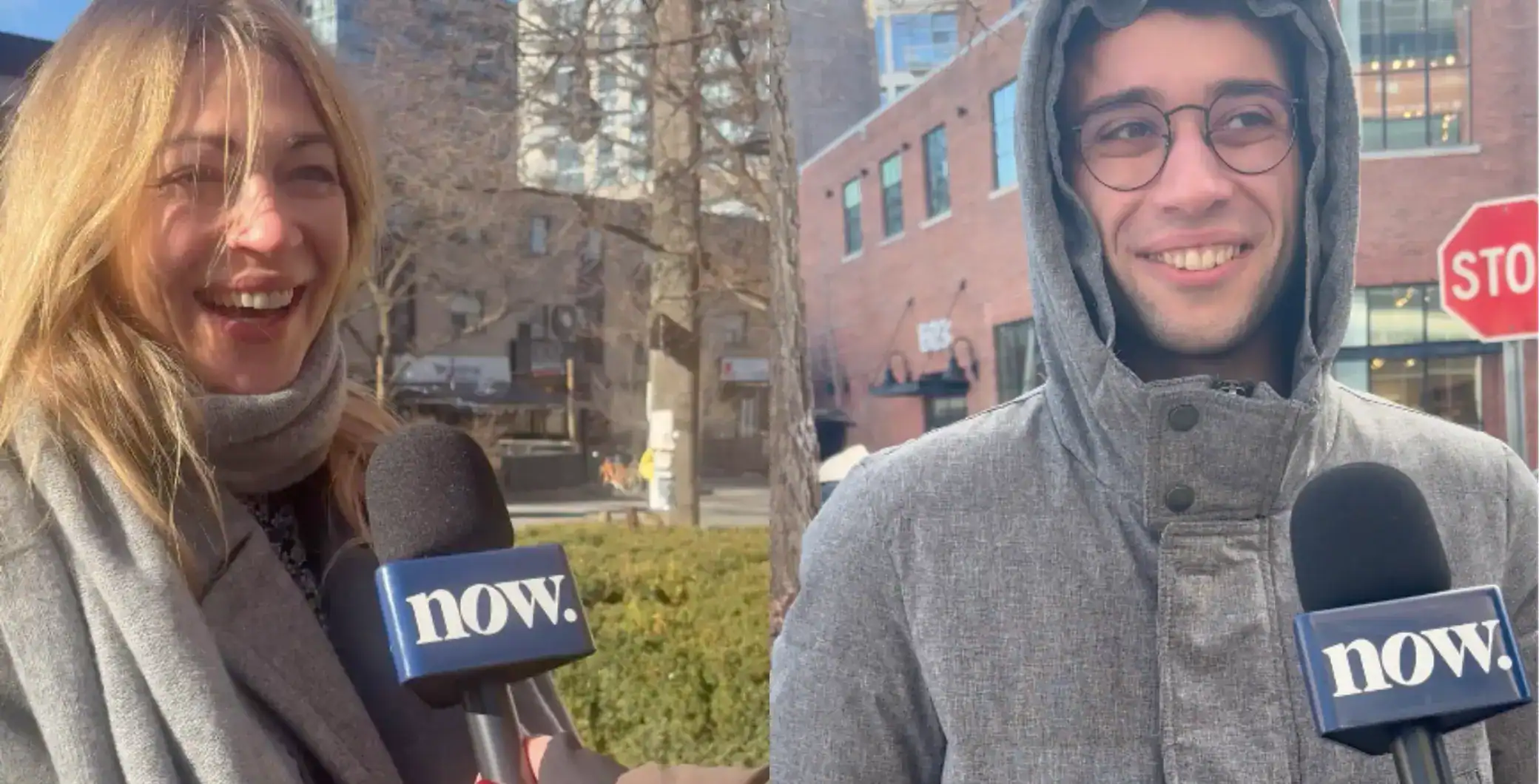
When Cansu and Burak met in their early twenties in college, neither thought the relationship would last.
“We were opposite,” Cansu said. “We cared about physical types back then. Blonde guys, blonde girls.”
Thirteen years later, they say character matters more than the early checklist.
“We grew up together,” Burak said. “We realized respect and compatibility are what actually make a relationship work.”
The two now describe their connection as something built through mutual respect, adaptability and learning to accept each other’s flaws.
Meanwhile, another local resident, Alex, said personality has always mattered more to him than categories.
“I don’t mind, everybody’s the same. It’s more important who you are as a person,” he said. “We’re all human beings.”
Similarly, local Elana says her core criteria include emotional connection and shared values, which have stayed consistent over time.
“It’s important to be friends with my partner,” she said. “Emotional understanding, doing things together, that matters more.”
AN EXPERT’S INSIGHT ON ‘TYPES’
To help unpack the emotional and cultural forces behind a “type,” we turned to registered psychotherapist and clinic owner at Hold to Heal Psychotherapy, Michelle Liu, who works closely with couples navigating identity, culture and communication.
For the expert, a person’s “type” comes from early experiences, which shaped their views of love and comfort, rather than conscious preference.
“It’s really less about what we prefer, but more about what our bodies are familiar [with], even if that’s not actually healthy,” she said.
“We’re not really choosing them on purpose, our type is more so simply repeating what is already familiar and what our bodies know.”
Liu says it is common for preferences to shift over time, especially as the individual matures and defines different priorities in life. However, the need for connection appears to stay constant.
“As people evolve, I think their types often do change, someone might be looking for excitement but then later on, you’re looking for more stable, more secure partners who can be emotionally available,” she said.
“The longing for connection, the longing for security and love, that remains the same.”
Culture’s Influence
The psychotherapist says external factors can also shape someone’s type, with culture and identity often influencing what they might believe they “should value in a partner.”
Families can also influence people’s dating experience, as Liu explains she often helps clients navigate family pressures.
“In many Asian families, there could be strong expectations around marrying within the same culture. In the Muslim community, for example, the family expectation is to marry within the same religion,” Liu explained.
The expert says these conflicts often leave people feeling caught between personal needs and approval.
“It causes the person in the relationship to feel pretty stuck.”
Liu also said familiarity can often be confused with compatibility.
“Even if the relationship is really stressful… it’s what we’re used to… this familiarity signals something called an unmet attachment need.”
How People Break Old Patterns
When dealing with negative relationship patterns, Liu says being aware of your traumas and working to heal might come a long way.
“Understanding your trauma and healing through that trauma. Lived experience… helps you evolve,” she said.
Liu says while changing your “type” can lead people to feel like they might be losing their identities, it is a common thing in relationships, and often signals growth.
“That could be really scary… but it doesn’t have to be,“ she said. “As you become more aware and you evolve and you change your type, it might just mean that you are now having more secure relationships and feel secure yourself.”