What to know
- The city approved new Municipal Land Transfer Tax rates for “luxury” homes over $3 million, with taxes rising as high as 8.6 per cent on properties sold for more than $20 million.
- Mayor Olivia Chow says the increase will impact roughly 0.5 per cent of buyers, and will help fund affordable housing and transit without raising property taxes.
- While the Toronto Regional Real Estate Board warns the hikes could hurt market mobility and first-time buyers, Premier Doug Ford says he won’t intervene, despite opposing the move.
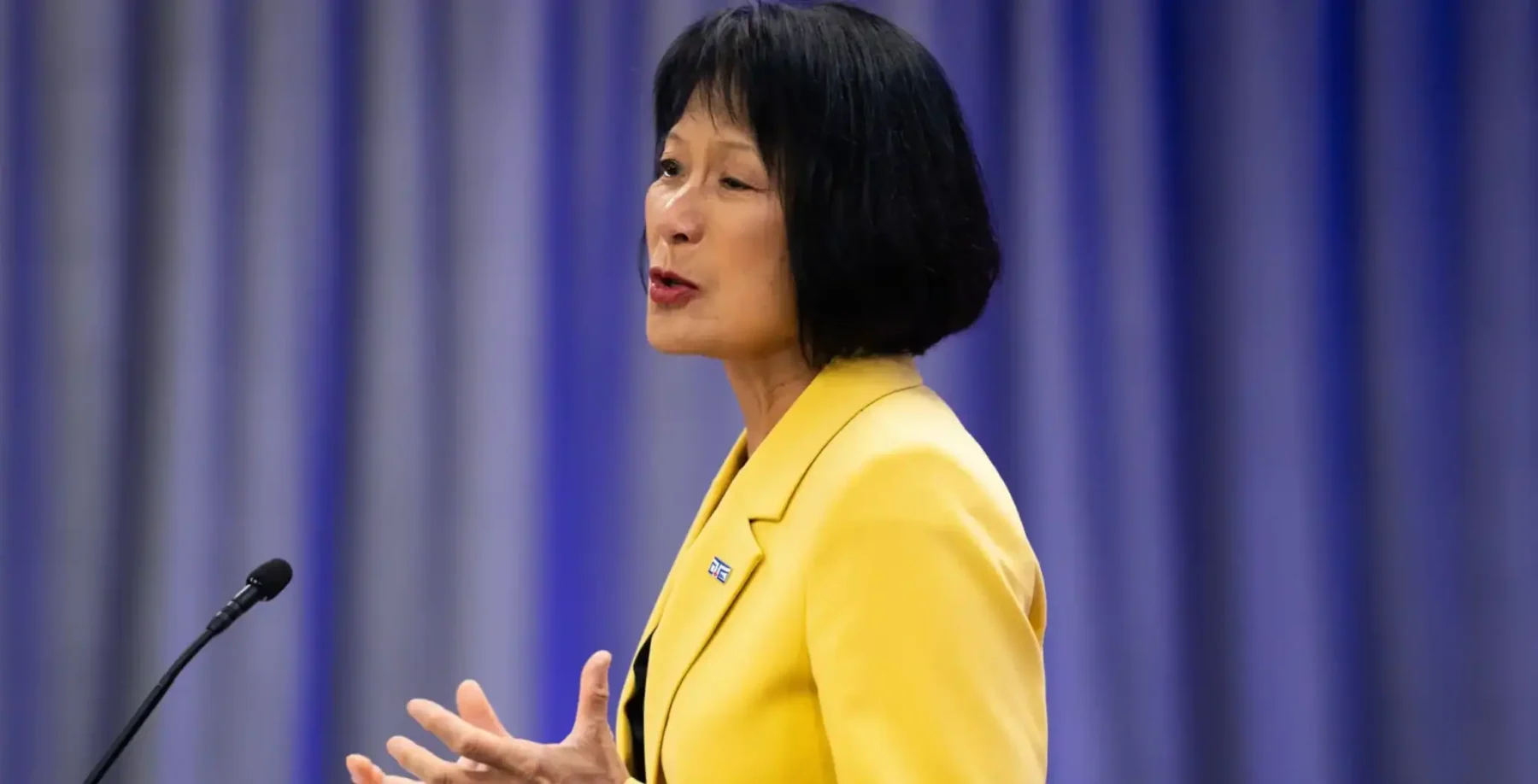
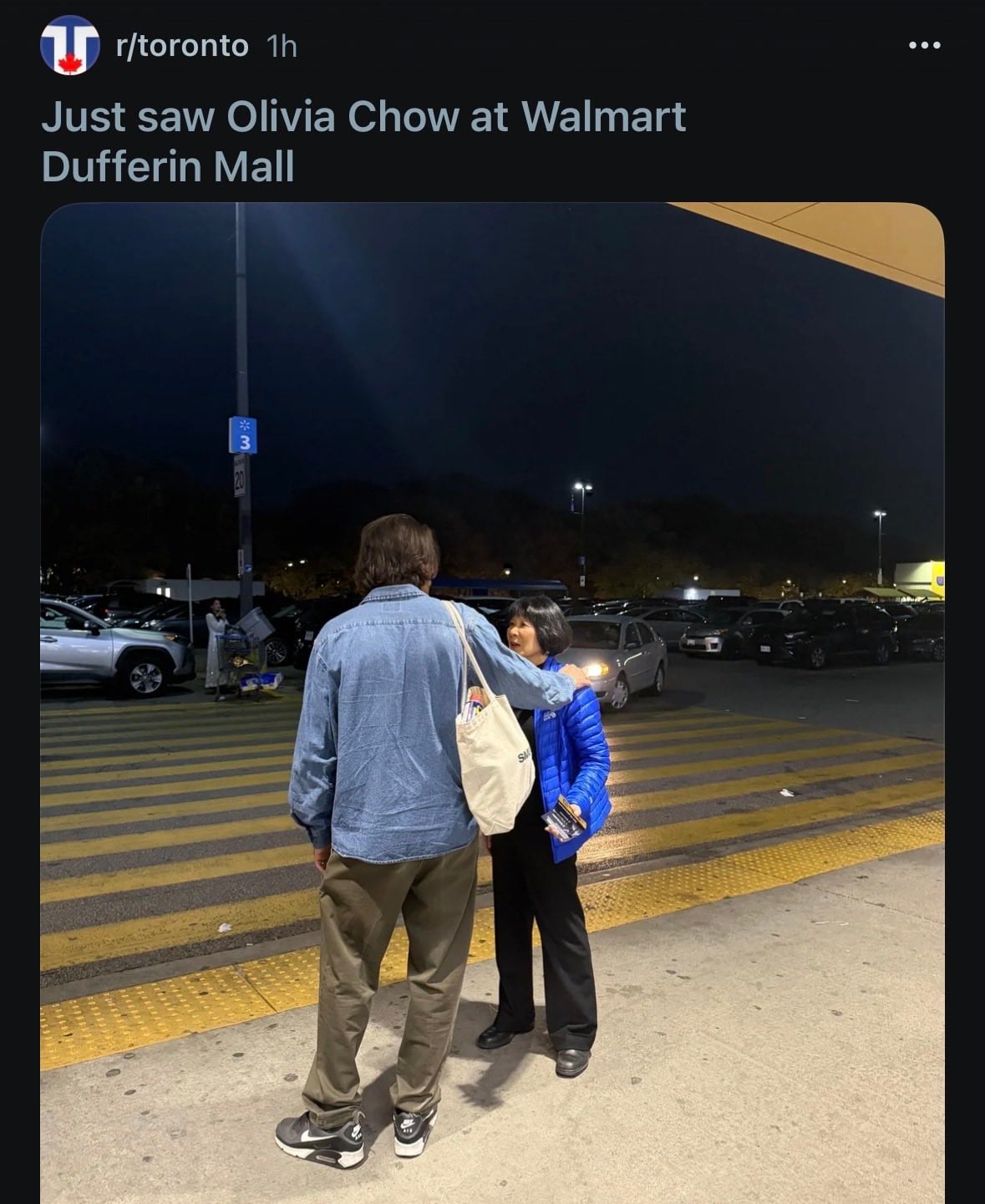
Toronto City Council has just passed a motion to increase transfer taxes for home sales over $3 million, and Mayor Olivia Chow says the change won’t apply to many residents but will have a significant impact.
On Wednesday, the city approved the motion which revised Municipal Land Transfer Tax (MLTT) rates for million-dollar properties, with hikes at:
- 4.4 per cent for homes between $3 million – $4 million
- 5.45 per cent for homes between $4 million – $5 million
- 6.5 per cent for homes between $5 million – $10 million
- 7.55 per cent for homes between $10 million – $20 million
- 8.6 per cent for homes over $20 million
The motion, named “Making life more affordable for families by asking luxury-home buyers to chip in more,” was first introduced by Chow herself, who highlights the measure won’t affect most Torontonians.
“Imagine a home that’s about $10 million or $20 million. When you go and buy a home like that, you pay a bit more, and that’s only two per cent of people that buy these very expensive houses… You have to earn a lot of money to do a down payment and pay the mortgage these days for $3 million,” she said in an interview with Now Toronto last week.
“This will impact 0.5 per cent, it’s about 1,100 homebuyers per year, it’s not a lot of people. They [are] the wealthiest of the wealthiest. We’re asking them to pay a bit more.”
Chow last introduced a hike back in 2023, which she says impacted only two per cent of homebuyers but generated $138 million in revenue last year.
Despite not applying to most residents, the mayor says the new hike can still have a significant impact generating money for the city, which she hopes to use to make life more affordable.
“It’s a lot of money, so that I don’t have to go to the property taxpayer and say, ‘give me all that more money.’ I’ll be able to help out in building more affordable housing, I can [cap] TTC fares,” she said.
REAL ESTATE BOARD URGED FOR INTERVENTION
Earlier this month, Toronto Regional Real Estate Board (TRREB) President Elechia Barry-Sproule published an open letter to Ontario Premier Doug Ford expressing concerns about the proposed hike.
According to Barry-Sproule, while previous increases have made Toronto “the most heavily taxed housing markets in North America,” the new increases could discourage first-time homebuyers, newcomers, and young families from entering the market, and make it harder for homeowners to transfer to other properties, affecting housing supply.
“MLTT increases have helped make Toronto one of the most heavily taxed housing markets in North America, with buyers of an average-priced home paying more than $17,000 in Municipal Land Transfer Tax alone,” Barry-Sproule said in a statement.
“The proposed 2026 increase will further suppress market mobility and undermine provincial policy objectives to increase supply and support affordability.”
In addition Barry-Sproule urged the provincial government to intervene and stop the city from carrying the hikes and keep it from exceeding provincial Land Transfer Tax (LTT) rates.
However, speaking with reporters after the letter was published, Ford said he would not be taking steps to stop the move, but said he disagreed with the hike.
“I totally disagree with the land transfer tax. I will not be stepping in, but you know who will step in? The people coming up in the election in 2026,” Ford told reporters earlier this month.
Read More