What to know
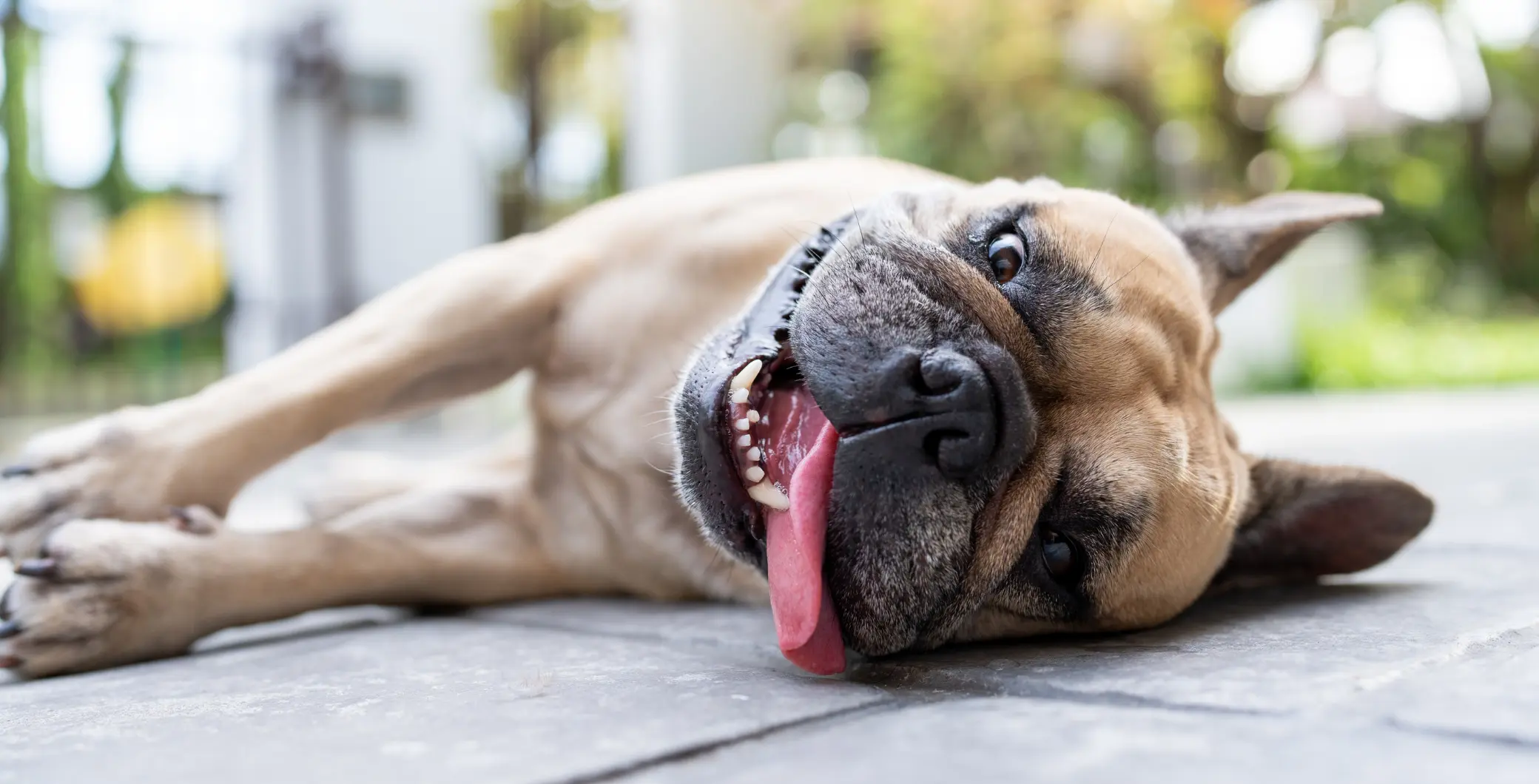
- Wildfire smoke can cause respiratory problems in pets, and owners should watch for signs such as excessive panting, coughing, laboured breathing or unusual lethargy.
- Brachycephalic breeds, including Bulldogs, Pugs and Shih Tzus, as well as senior pets, young animals, overweight pets and those with heart or lung conditions, are especially vulnerable.
- Even indoor pets can be exposed to poor air quality, as smoke particles can enter homes and may not be fully filtered by standard HVAC systems.
- If pets need to go outside, owners should keep outings short, choose cooler times of the day, ensure access to fresh water and shade, and monitor them closely for symptoms.
- Veterinarians recommend speaking with a pet’s healthcare provider about any underlying conditions and taking extra precautions until Toronto’s air quality improves.
Toronto’s poor air quality isn’t just affecting people.
Pets can also struggle to breathe when wildfire smoke blankets the city, and a veterinarian says owners should be watching for signs that their animals are being affected.
Torontonians woke up to one of the worst air quality indexes in the world on Wednesday, with smoke from wildfires in northwestern Ontario leading to an orange air quality warning for the city.
Residents are being warned to limit their time outdoors, wear protective masks, and watch out for respiratory symptoms, as Environment Canada warns that the poor air quality leads to significant health risks for all residents.
Read More
Veterinarian and CEO of Community Veterinary Outreach, Melanie Barham, explains that human residents are not the only ones who are feeling the effects of the poor air quality index, which can also increase risks for pets.
What are the risks faced by pets?
Although most pets can tolerate summer weather well, especially as their owners adjust their care, the wildfire smoke comes with similar risks to them as it does to humans.
Barham said owners should watch out for any signs the animal’s breathing might be impacted, such as panting or moving slower than normal.
Just like seniors, children, and people with pre-existing conditions face higher risks during poor air quality events, some dogs are also at higher risks.
According to Barham, brachycephalic breeds, which includes dogs and cats with shortened skulls or flat faces, might face higher risks, including French and English Bulldogs, Pugs, and Shih Tzus.
Senior animals, puppies and kittens, overweight pets, and those with heart or respiratory diseases might also need extra attention, as they are also more susceptible to risks.
According to the vet, even pets that stay mostly indoors can also face risks, as HVAC systems are not always efficient in filtering smoke.
“A lot of times pets… [are] happy to please us and they want to go out on walks. So we have to pay close attention to that, and our pets are counting on us to do so,” Barham added.
How to reduce risks
Although Environment Canada warns residents to mostly stay indoors while the air quality remains low, it is not always possible to avoid going outside with some animals, such as dogs or horses.
If they can’t avoid going outside, Barham advises owners to plan their walk during cooler times of the day, provide them with plenty of fresh water and access to shade and ventilation, and watch out for concerning symptoms.
In addition, the vet said owners can also check in with their vets on whether their pets have pre-existing conditions or need extra care.
“Extreme weather really reminds us that caring for pets isn’t just about medical care. It’s also about making sure that everybody has the right information and that they just remember that we’re not superhuman or we’re not super pets,” she said. “We have to just just be extra mindful.”


