Taiwanfest 2025 returns to Harbourfront Centre from August 22 to 24, bringing free performances, exhibitions, films, and workshops to Toronto’s waterfront.
But beyond the festivities, the annual event is sparking dialogue about migration, belonging, and what it means to build connections across cultures.
The free festival embraces the theme “Echoes of the Ocean,” drawing inspiration from the tides of migration, colonial histories, and the shifting identities that connect Taiwan to the world.
Festival organizer Charlie Wu says the programming has evolved beyond a traditional cultural showcase.
“Since 2016, we’ve adopted a new model that creates dialogue with another cultural community here in Toronto. That’s the version that we hope to use and learn more about each other and to find connections and find similarities and discover stories that perhaps grow into all these different communities that we have dialogue with,” Wu told Now Toronto on Thursday.
This year, the dialogue points towards Portugal.
“A lot of people today probably don’t even know that back in the 16th century, Portugal had such an influence in Asia, especially in East Asia, including Macau, and Japan. Japan also colonized Taiwan, so Taiwan was heavily influenced in that period of time as well,” Wu said.
“Connections that we probably overlook, and this shows how much we are all connected. So, for Toronto to be able to experience something like Taiwan and to learn how we are all connected, perhaps will help us to create a bigger understanding and reduce the stereotypes and even hopefully contribute even more.”
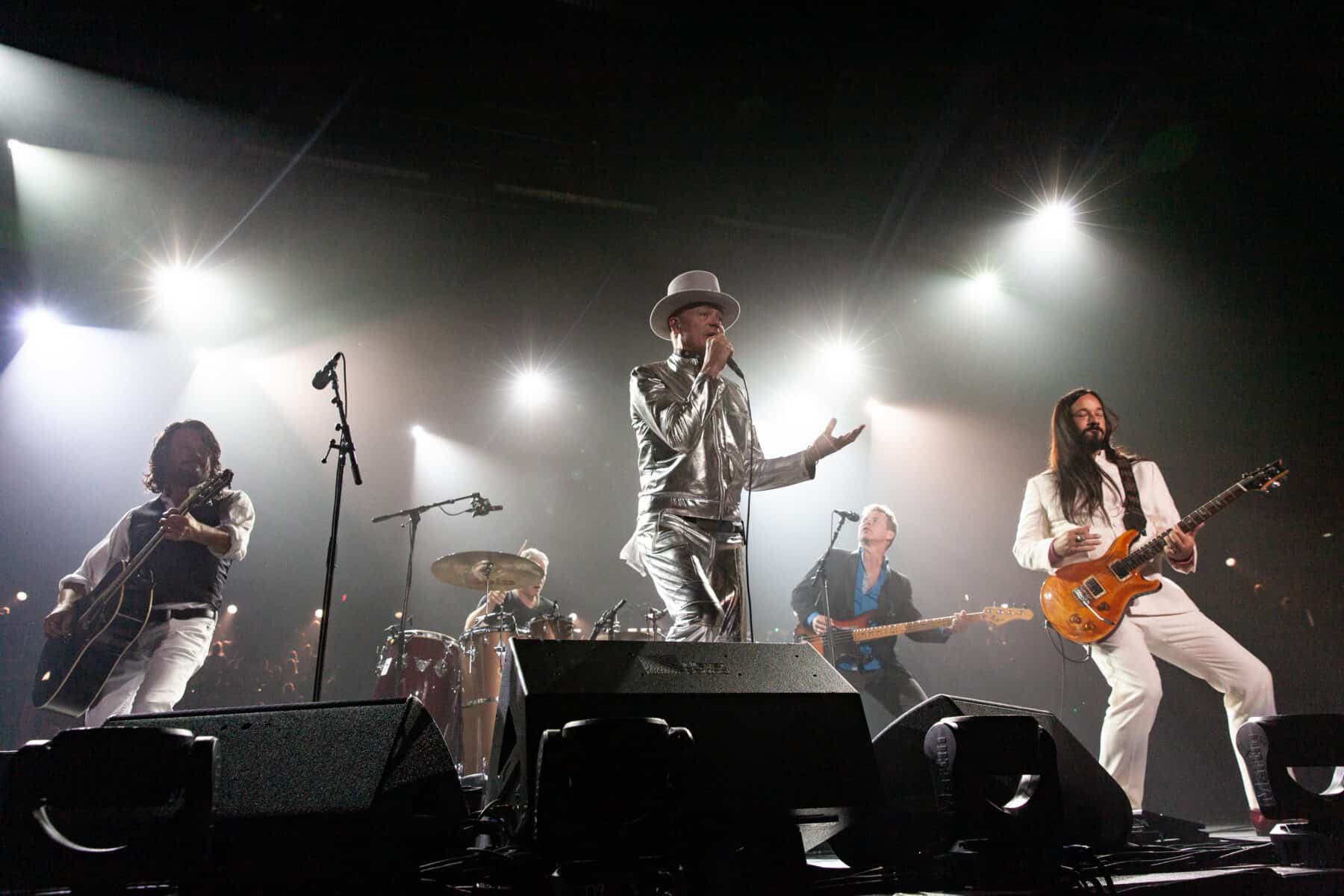
The festival opens with Echoes of Formosa, spotlighting Taiwanese Canadian singers Chynna Lewis and Van Lefan, whose music reflects both homeland roots and diasporic identity.
Other highlights include Rally for Taiwan, where artists perform in Hokkien, Hakka, and Indigenous languages, and more special musical performances are slated throughout the weekend.
Exhibitions will explore Taiwan’s layered past and its links to global movements. Traces of Blue revives the Hakka art of indigo dyeing, while Tiled Memories uncovers the stories hidden in Japanese-era tiles. Other displays look at Taiwan’s relationship to baseball, migration, and authoritarian history.
The festival also features film screenings paired with discussions that include scholars and artists leading talks on colonialism, cultural identity, and reconciliation. Screenings include Dancing Home, a documentary about Indigenous dance and community, and Silenced Sunrise, which examines censorship and artistic freedom.
Hands-on sessions invite audiences to try Hakka pickling and indigo dyeing. Visitors can also engage through Tái Lung Cong, a bilingual board game introducing Hakka traditions. The popular artist market also returns, featuring work from local and international artisans.
For Wu, the objective of the festival is not just to entertain but to spark reflection.
“We always want people to learn something new, something new that they can reflect on with their own journey of exploring their identities, or learn something new about other cultures,” Wu explained.
“To learn something new that they can have a different perspective on, different parts of the world, and I think most importantly, even for the Taiwanese community themselves, this is a way of us learning more about contemporary Taiwan today. I think cultures need to be celebrated, not just for the past, but also for what’s happening. So, we are not always moving in the past, but there’s always a present, a present relationship to the world.”
For more information about TAIWANfest, visit here.