Since Ontario announced it would expand alcohol accessibility at convenience, grocery and big box stores, residents have shared mixed feelings.
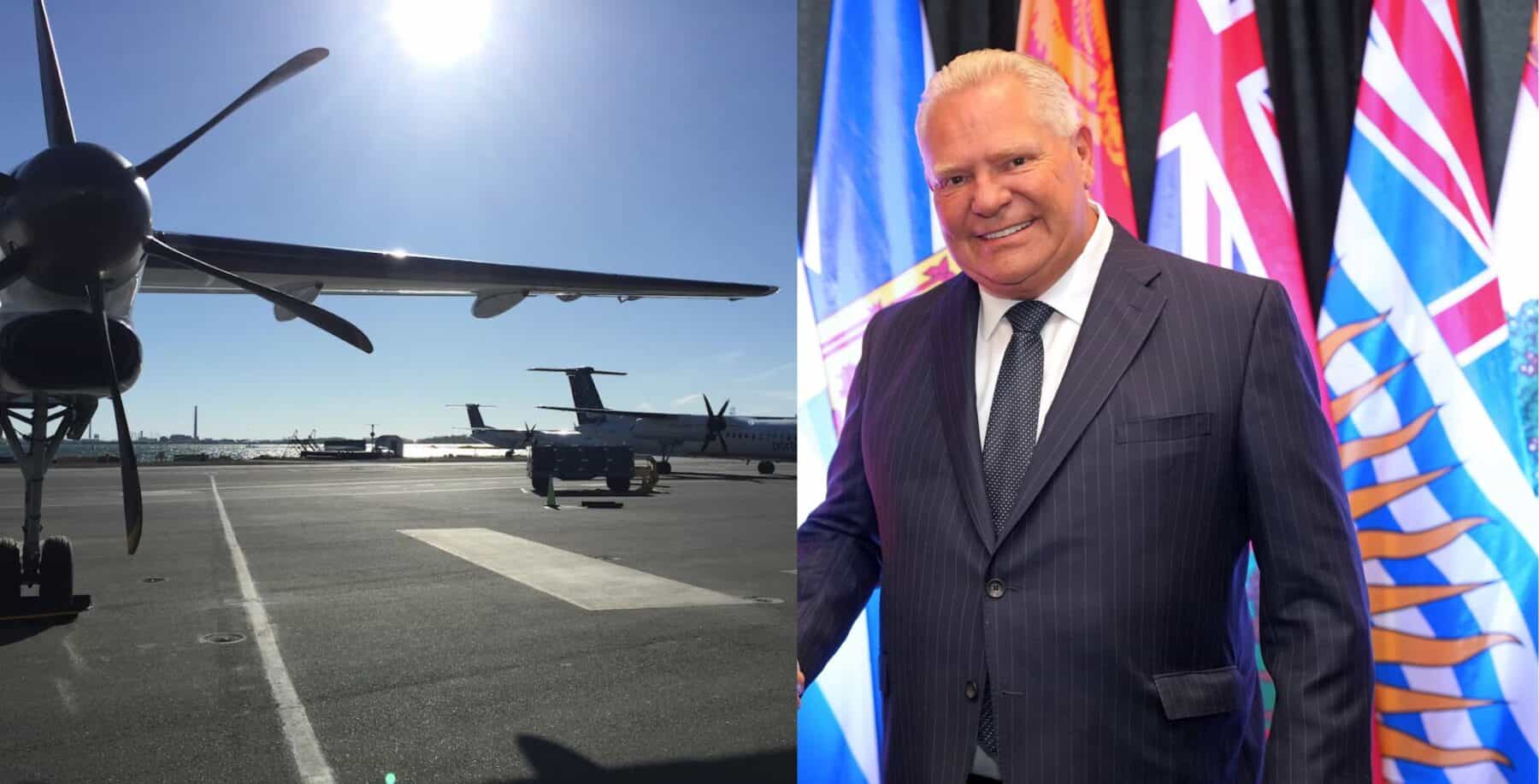
Last week, Ontario Premier Doug Ford announced that consumers will be able to buy beer, wine, cider, coolers, seltzers, and other low-alcohol ready-to-drink beverages at all participating convenience, grocery and big box stores across the province by 2026. But spirits like vodka, gin and whisky will continue to be sold at the LCBO.
This move is expected to introduce up to 8,500 new stores where these alcohol products can be purchased.
However, some people are unsure if the expansion is a good idea, including Toronto personal injury lawyer Jasmine Daya who told Now Toronto this change comes with its own set of challenges that could result in civil liability issues.
According to Daya, Ontario is the only province that has a government monopoly on the sale of alcohol, which to her, has never made much sense.
“Privatization is beneficial as increased competition will result in better prices for consumers. The issue however is timing. People aren’t mentally in the same place as they were pre-pandemic. More people are taking prescription medication and illegal drugs than ever and easier access to alcohol may have negative results,” she told Now Toronto in an email statement Friday.
With this new expansion, the government says The Alcohol and Gaming Commission of Ontario (AGCO) will still manage the licensing of alcohol sales in the province.
Daya added that increased alcohol accessibility raises questions about a rise in police calls as police are already dealing with an overwhelming number of incidents to respond to.
“There has also been an increase in crime and a decrease in the number of police officers which has left them overwhelmed. The Toronto Police currently takes about 20 minutes to respond to high priority calls. Stores selling alcohol will have to ensure the safety of their staff to mitigate against negative consequences,” she added.
Daya said some of the problems that could potentially create civil liability issues include stores selling to minors (via improper ID checks), staff safety and stores selling to intoxicated individuals.
“Ontario convenience stores, grocery stores, and big box stores all will be required to adhere to the same set of rules set by the Alcohol and Gaming Commission of Ontario, which means that beer, wine, cider, coolers, seltzers, and other alcoholic beverages can be sold between 7 a.m. to 11 p.m. regardless of the hours they are open. This is just one reason potential civil liability issues could arise,” she said.
“The most significant issue from a civil liability perspective is selling to individuals that are already intoxicated because if those individuals consume the alcohol purchased and then injure themselves or others or damage property, the establishment that sold the alcohol may find themselves in a lawsuit.”
The expanded alcohol accessibility is set to be available as of Jan. 1, 2026.