What to know
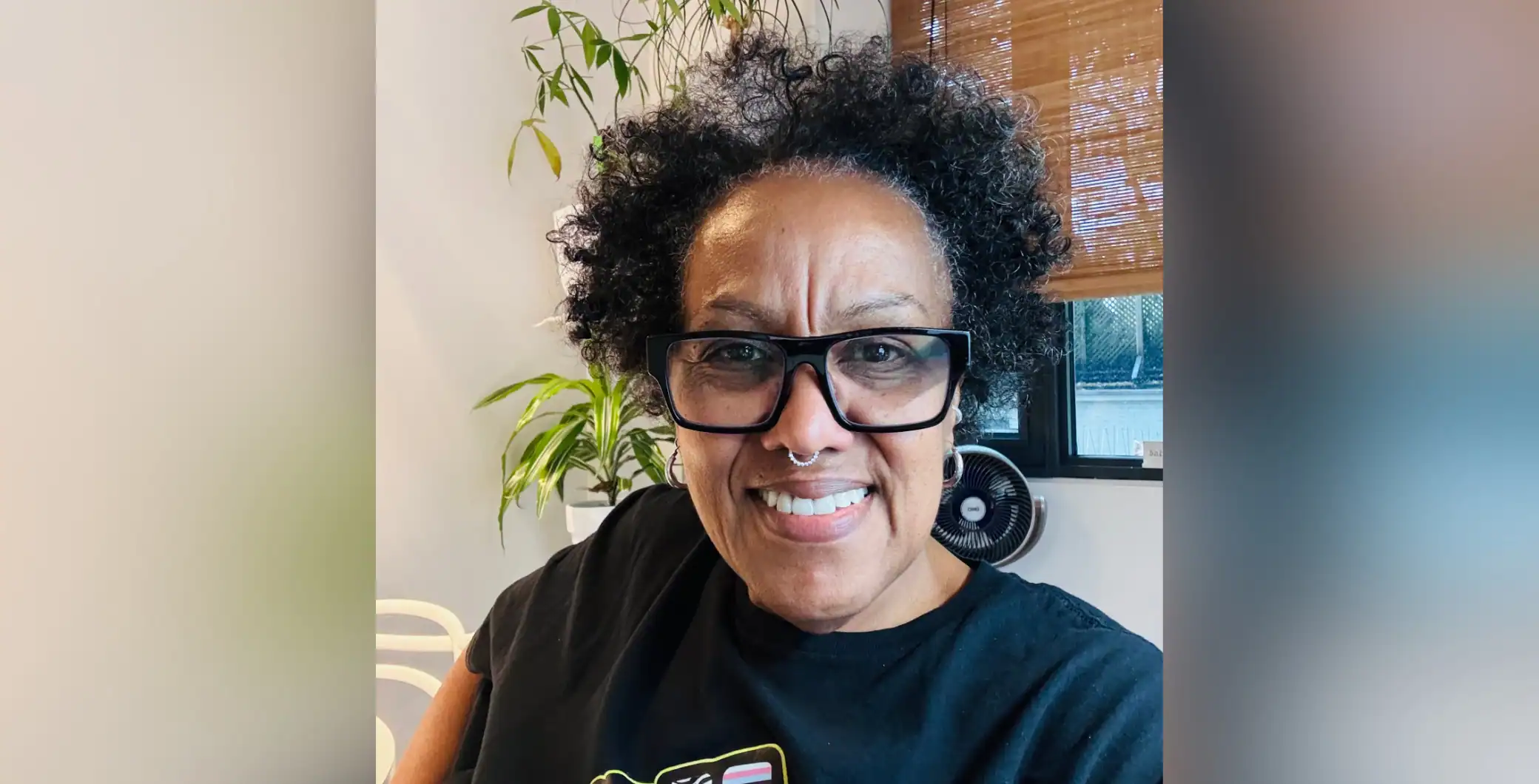
- Lisa Duplessis, director of programs and community services at The 519, has spent nearly two decades supporting thousands of 2SLGBTQ+ newcomers and refugees in Toronto.
- After growing up in Jamaica, where same-sex intimacy is criminalized, she came to Canada as a refugee in 2008 and built a new life in Toronto.
- Starting as a coordinator for newcomer and refugee programs, she rose through the ranks and became a key leader shaping the centre’s settlement and integration work.
- Recently honoured at the Black Queer Canada Summit, she plans to continue mentoring the next generation of activists while advocating for newcomers and queer communities
It’s hard to imagine The 519 without Lisa Duplessis. For nearly two decades, she has been a constant presence in Toronto’s Church and Wellesley Village, impacting the lives of thousands of newcomers, refugees, and 2SLGBTQ+ community members who have passed through the community centre’s doors.
As the director of programs and community services, her portfolio is large, a testament to the incredible impact of her work. A huge part of that centres around supporting newcomers to Canada, a mission that is both important and personal.
Duplessis grew up in Jamaica, where same-sex intimacy is criminalized. As a teenager, she married a close male family friend before realizing she was queer. They later divorced but remained close, and she left the island for a short time, spending a year living abroad, and openly as a young lesbian for the first time.
Immersed in a vibrant queer culture she had never known, she saw what it meant to live freely. It was a vision she carried back with her to Jamaica.
From Jamaica to Canada
As the years passed, Duplessis, who has a degree in psychology, opened and operated her own floral shop in Jamaica. She also participated in activist work as part of the fight for queer liberation on the island. But in 2008, she made the difficult, incredibly brave decision to come to Canada as a refugee.
“When I came here 17 years ago as a refugee claimant, I wasn’t quite sure what my life would look like,” Duplessis told Queer & Now.
She had already met Tess, her now wife, through a friend and remained in touch online, falling in love while maintaining a long-distance relationship. She says that when she left Jamaica, fearing for her safety as a queer woman, this love helped make her landing in Canada softer.
“We’ve grown together, and I’m so lucky that I’ve met someone and we literally grew together. We’ve changed, but we’ve changed in the same direction, and we have developed a deep love and respect for each other.”
She describes her wife’s love as a comprehensive hug, enveloping her in support that helped her cope with the battle that comes with a refugee claim.
“My claim took 18 months. My mother was sick, my family [in Jamaica] was old and dying, so I just worried that I couldn’t travel,” she explained.
Read More
“I had this job that was all-consuming, and I loved it, but my settlement was all about the way in which she supported me and guided me,” she explained. “I’ll always be grateful I didn’t have to do this alone.”
Through love, perseverance, and the support of her wife, Duplessis began to build a new life in Canada, one that led her to The 519, a community centre and event space in Toronto’s Gay Village.
Working at The 519
Soon after arriving in Canada, Duplessis interviewed for two jobs in the city, but found her place at The 519.
“There was something I felt in my chest when I walked into the 519 and met those people. Those people were my people, and they were so incredibly kind to me,” she explained.
Read More
Following her interview, she was offered the job before she left the building, joining their team in the role of coordinator for their newcomer and refugee services, a set of eight different programs targeted at helping people settle into life in Canada.
“The 519 provided for me a safe, queer space that I could actually be, and it has developed who I am over the years, I think, as an activist, and as a person,” Duplessis shared.
The activist powerhouse climbed the ranks at The 519, her energy and ideas shaping the centre’s vital community support work. Over time, her life became deeply intertwined with the iconic building. And in 2012, Duplessis and her wife were married in The 519’s Grand Ballroom.
Read More
Using her story to inspire others
Now married for 13 years, she explained that while she already adored her wife, she wanted to spend more time getting to know each other before tying the knot. This also meant she would go through the process of becoming a Canadian as a refugee claimant as opposed to the spouse of a citizen.
She explained that she knew this would allow her to use her story as a means of inspiring others with similar struggles. This includes the pain that many people experience upon arrival in their new home.
“No matter how that country treated you, there is a period of grief when you leave the place you were born,” she explained.
“There is a grief people carry when they arrive. You can see it in their eyes,” she shared. “You’re safe, but you’re also starting from zero.”
Working with her team at The 519, including fellow community leaders Becky McFarlane and Maura Lawless, Duplessis’ advocacy continued to evolve, and so did she.
“When you are an activist in your country of origin, and you go somewhere a little more liberal, it takes a moment to actually feel free to speak your mind,” she explained
“In Jamaica, you’re ruled by fear. I came here, and I’m practically fearless.”
Because with safety, support, and community, it does get better.
Supporting claimants through their journey
Duplessis has now called Canada home for more than 17 years, helping thousands of others with both settling in and integrating through an incredible suite of newcomer-focused programs operated at the Church and Wellesley community centre.
“Settlement is the forms and the housing. Integration is the rough part — it’s the building of community,” But through programming at The 519, mentorship, and public speaking, she supports the cultivation of that community. Because settling into a new life is easier when you’re not alone.”
“Newcomers are in every part of everything we do, in volunteering and staff,” she explained, adding that if you stand in the centre with your eyes closed and listen carefully, you can almost hear the hum of all the people who have passed through the space in their journey to make Canada home.
Canada as home
Since moving to Canada and going through the refugee claimant process, and eventually becoming a citizen, Duplessis has returned to Jamaica to visit friends and family. But it was upon going back to the island that she realized that Canada was now her home.
“I had to go home [to Jamaica] to feel at home [in Canada],” she explained, “I almost felt like a traitor, but it was also a cleansing.”
“[Jamaica] felt like this is a place that I’ve loved. I still do, but it has never loved me. Apart from the people that were in my life, no one has appreciated my queerness, my activism has never been something that’s as welcome in that space.”
She shared that she now identifies more as a citizen of the world.
“Because there are spaces in Canada I don’t feel comfortable in either, and I realized that there’s nowhere in the world I’m going to feel completely comfortable,” she explained. “That is OK. I’m a citizen of the world, I’m a humanist, and I’m OK with that.”
Honouring a life dedicated to advocacy and service
In recognition of her years of dedication and advocacy, Duplessis was recently honoured at the Black Queer Canada Summit, receiving an award celebrating her tireless work supporting newcomers and the 2SLGBTQ+ community.
For Duplessis, the recognition was both humbling and affirming, a reminder that the impact of her work extends far beyond the walls of the community centre, touching lives across the province.
“For me, community building means making sure no one has to survive alone what we were meant to overcome together,” she said in her acceptance speech.
“I am ready to receive this honour, but it isn’t just mine, it belongs to every Black person who dared to imagine more than what the world tried to limit. It belongs to the community that held me, challenged me, corrected me, and loved me. It belongs to people, past, present, and future, who turn pain into purpose and still find room for joy.”
Read More
She plans on remaining at The 519 for another decade, ready to mentor the next generation of activists, confident that the work — and the fight — will continue. She explained that in the past three years, she has survived three strokes and undergone heart surgery. But now? She’s healthy and ready to keep going.
“I feel like [the strokes] were meant to frighten me, to take better care of myself,” she shared. “I’m going to keep going until it’s time for me to pass it on to a new generation of warriors, and I see some of them in my staff.”
This is incredibly important in the current political climate.
“I don’t know where these people were sent to me from, but they’re so good that I feel at ease knowing the work will continue because they are fierce,” she explained. “These are warriors, they are the giants, and I feel so confident that work will continue.”