Black queer Canadians have made numerous contributions to everything we celebrate during Black History Month, so we’re honouring the social and artistic impact of our community leaders, and celebrating their undeniable impact on queer culture.
Black History Month was first recognized in Canada in 1995 thanks to a motion presented by the Honourable MP Dr. Jean Augustine. While February serves as a time to honour Black History and look ahead to Black futures, Black members of the 2SLGBTQ+ community are often overlooked.
Racism has historically, and continues to be, a major issue within the queer community. In 2024, The Enchanté Network, an organization supporting 2SLGBTQ+ communities across Canada, reported that 86 per cent of Black 2SLGBTQ+ Canadians have experienced anti-Black racism in spaces dedicated to queer people. On the other hand, the same report found that 53 per cent of Black, queer folks are faced with the threat of a hate crime or incident based on their sexual orientation or gender identity/expression.
Read More
Despite these devastating statistics, Black queer people persevere. From creating spaces for members of their communities to thrive in their truth, to being on the frontlines of the fight for 2SLGBTQ+ equality in Canada time and time again, there is no shortage of ways that Black queer people have shaped Canada’s 2SLGBTQ+ culture through activism, advocacy, and artistic contributions.
While Queer & Now celebrates BIPOC 2SLGBTQ+ people 365 days a year, in honour of Black History Month, we are digging into the stories of five Black, queer, Toronto icons and a history full of both joy and resilience that has paved the way for brilliant Black queer futures.
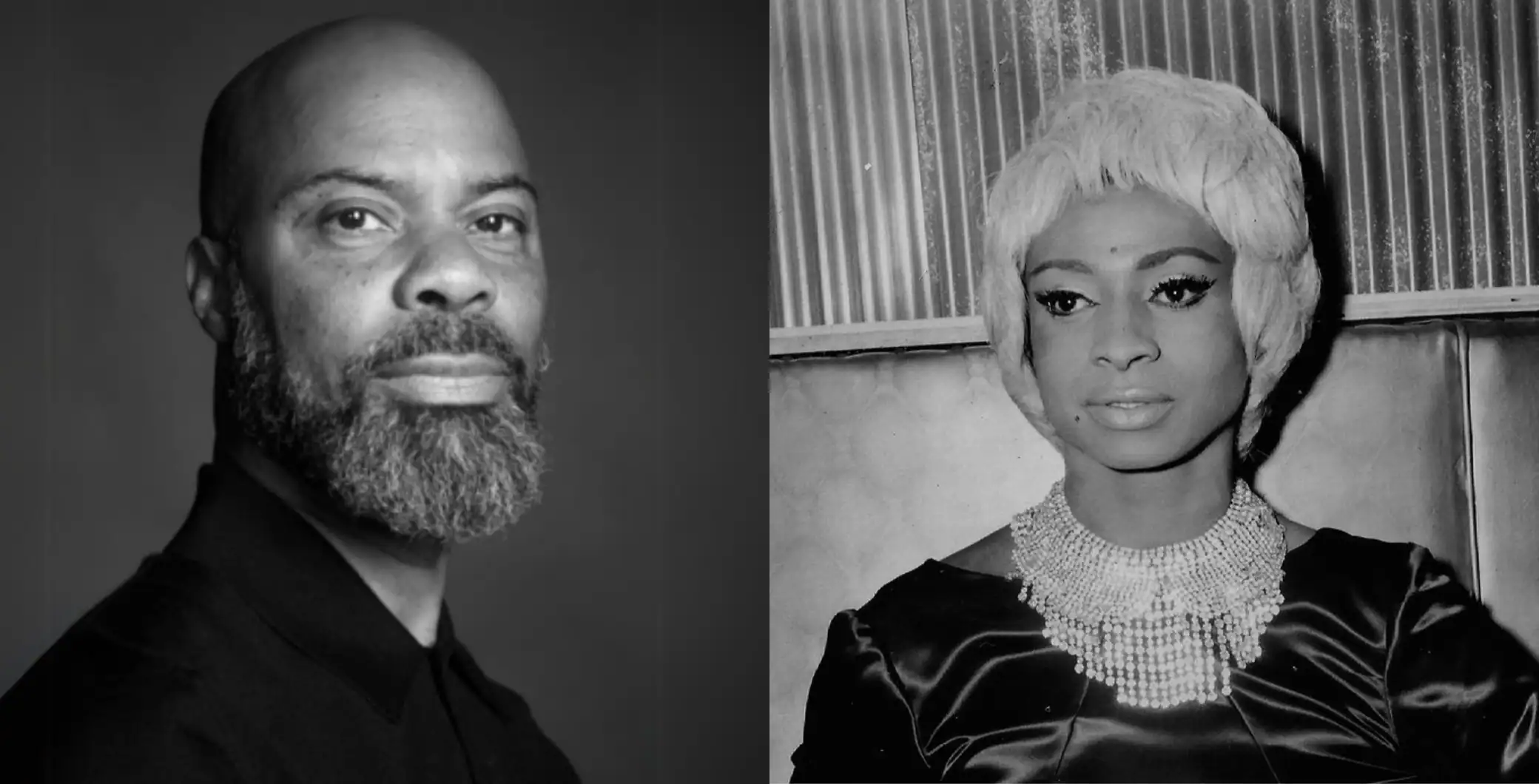
Douglas Stewart
Douglas Stewart is a Toronto activist whose life’s work has been dedicated to creating space for the Black queer community, working with various organizations, and founding others, during his decades-long activism career.
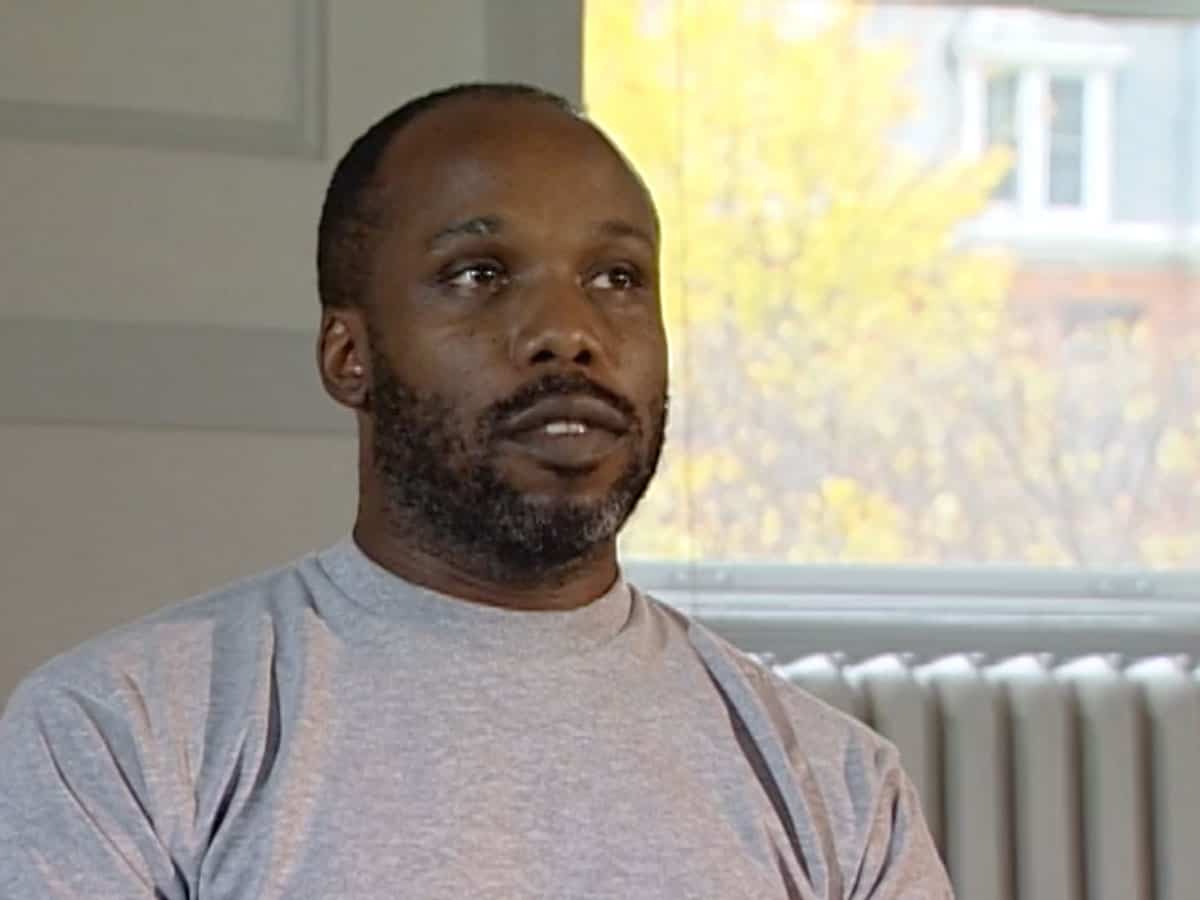
Among various accomplishments, Stewart is a founding member of Zami, an organization recognized as Toronto’s first Black queer group. The organization was formed to create space for Caribbean and African members of the 2SLGBTQ+ community, and combat issues within the queer community.
Stewart took a stand against the racism experienced by many people of colour in the queer community. In 1986, after The Body Politic published an advertisement created by a white gay man, who was looking for a young Black man to be his “houseboy,” Stewart wrote to the magazine, calling out racism within the gay community. According to media reports, he said the discrimination, “forces gay men like me to prioritize my concerns…Black gay activists define themselves first and foremost as Black and as gay second.”
Stewart also served as the founding executive director of the Black Coalition for AIDS Prevention.
In his lengthy career, he has worked as a dispute resolution officer, an equity trainer, and Centennial College’s chief human rights advisor. In addition to his work advocating for Black 2SLGBTQ+ communities, Stewart has a history of working in the youth development sector, working with organizations dedicated to empowering youth, as well as the Toronto District School Board.
In 2006, he was honoured with the William P. Hubbard Race Relations Award, which recognizes the achievements of Torontonians working to challenge racism.
Angela Robertson
Born and raised in Jamaica before moving to Toronto, Angela Robertson is a pioneering activist in the city’s 2SLGBTQ+ community, fighting for the good of racialized 2SLGBTQ+ peoples over her decades of activism work.
Among her most notable achievements, Robertson is a founding member of Blockorama – Pride Toronto’s oldest stage, created to make space for Caribbean, Black and African members of the 2SLGBTQ+ community.
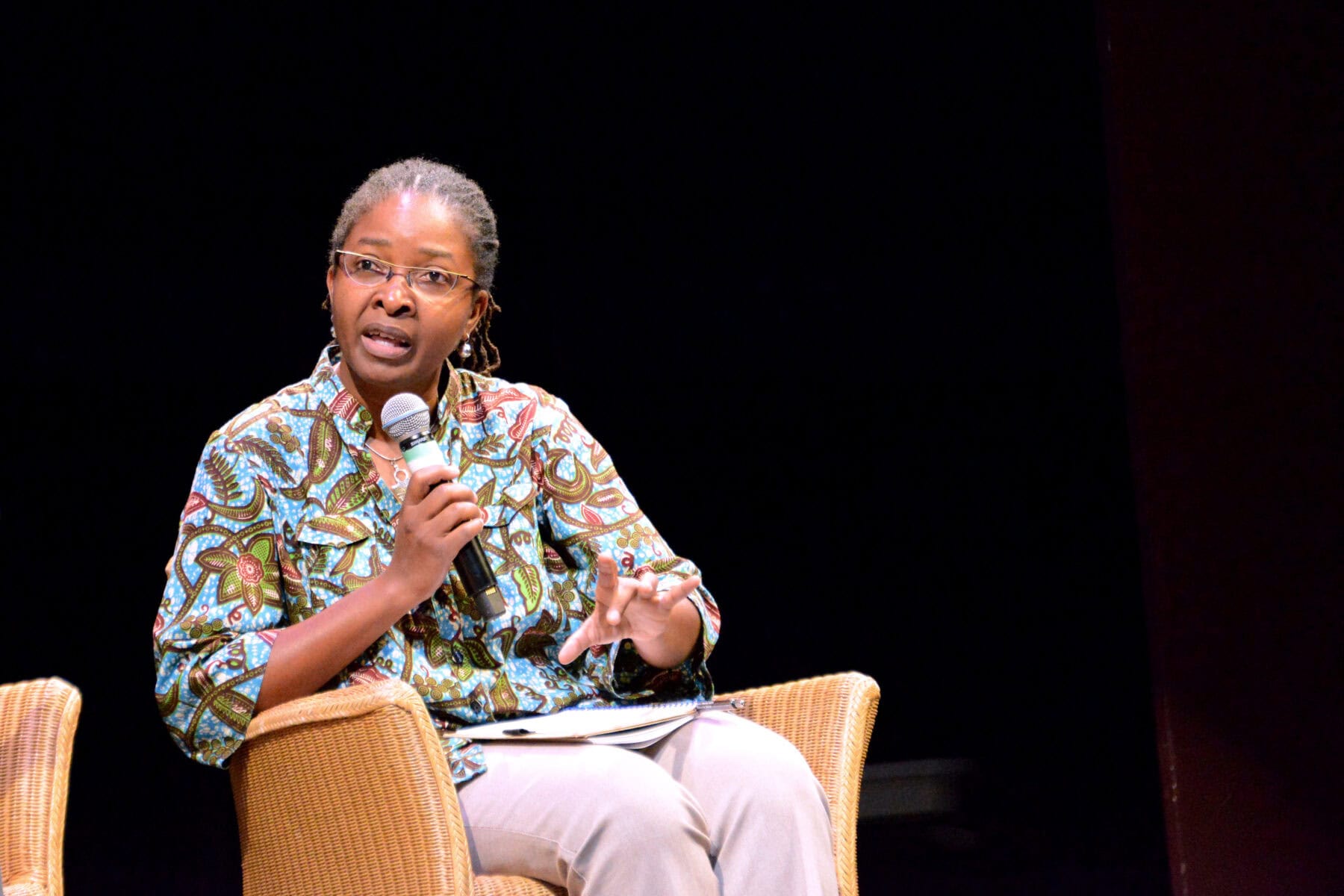
Robertson was responsible for the creation of the Black Health Equity Working Group, a collective of experts, leaders, researchers, and practitioners in the health-care sector concerned with improving the well-being of Black people. She also served as a co-chair of the group and was eventually honoured with the Denise Brooks Equity Champion Award by the Urban Alliance on Race Relations, and was recognized as a “Pillar of the Pandemic” by the University of Toronto’s Dalla Lana School of Public Health.
Throughout her lengthy activism career, Robertson has been on the boards of various community organizations, including the Black Coalition for AIDS Prevention, Houselink and the Stephen Lewis Foundation. She has also received various awards for her achievements as an advocate for social justice, including an Honorary Doctorate of Law degree from York University.
Courtnay McFarlane
Born in Jamaica, Courtnay McFarlane is a well-known activist and artist who has been making waves in Toronto for decades. Showing artistic talent from a young age, McFarlane attended a high school focused on the arts before attending OCAD University. McFarlane told Queer & Now that he feels his artistic talent was part of what he could offer as a young person in spaces with activists who were often older and more experienced than he was.
“My art, my design, has always been connected to activism and community work,” he shared in an interview.
McFarlane’s career as a community organizer began when he was in high school, leading him to work with several prominent organizations dedicated to serving the Black 2SLGBTQ+ community, including Zami, AYA Men, a ‘90s Toronto-based group for Black queer men, and Blackness Yes!, the committee behind Blockorama.
“The work of resistance is not just about resisting these sorts of oppressive powers. It’s really about creating alternatives,” McFarlane explained. “Alternative ways of being, of living, of doing, that centre us and our needs and our experiences in ways some of those existing spaces don’t.”
Among his incredible accomplishments as a creative, McFarlane co-edited the book Ma-Ka Diasporic Juks: Contemporary Writing by Queers of African Descent, which was published by Sister Vision Press in 1998. Additionally, in 2019 he curated an art show titled Legacies in Motion: Black Queer Toronto Archival Project, which showcased the fierce, intentional, and vibrant activism carried out by Black 2SLGBTQ+ communities in Toronto during the 1980s and 90s.
“I really recognized that you know, I don’t want this work to really be centered on marginalization,” he explained. “I don’t want our activities and our activism to be about [our] exclusion, but rather about inclusion. As I said, sort of centering ourselves and our needs, about celebrating our lives.”
“We’re not just, you know, the sum total of our experience of oppression. We also live lives that are celebratory.”
McFarlane’s work has also been published in various anthologies including Fiery Spirits, and Voices: Writers of African Canadian Descent, Word-up, and Plush.
Read More
Trey Anthony
Creative Trey Anthony is a household name.
Born to Jamaican parents in England, Anthony moved to Toronto as a child, later moving to Brampton and attending Notre Dame Secondary School as a teen. After graduating, she attended York University, and during her studies, Anthony attended a program at the American Academy of Dramatic Arts in New York City. She remained in the city, working as an intern on The Chris Rock Show.
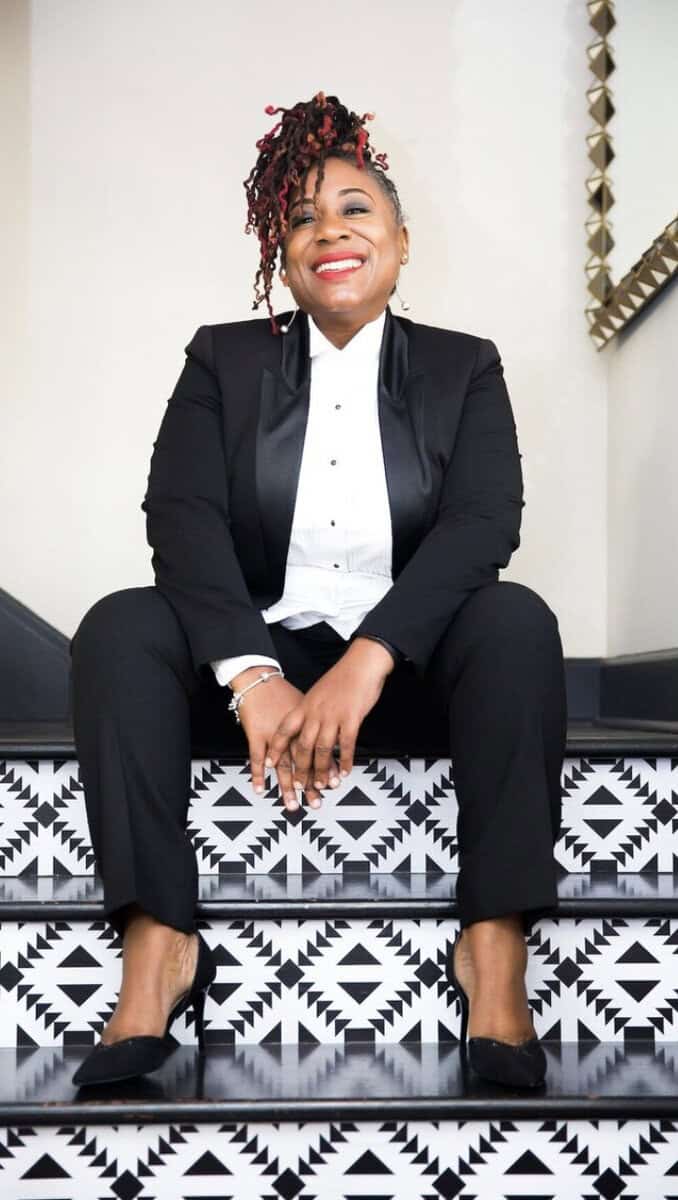
Anthony boasts an impressive resume as a professional speaker, playwright, producer, author and lifestyle coach. Her resume includes work for major companies like the Oprah Winfrey Network, Lionsgate, Will Packer Media, The Comedy Network and CTV.
Following the 2001 debut at the Toronto Fringe Festival, Anthony’s play ‘da Kink in My Hair broke records at box offices in Canada, the United States and England. The Canadian Encyclopedia calls the play one of the most successful plays in the festival’s history.

She adapted ‘da Kink in My Hair into a television show which aired on Global from 2007-2009. This accomplishment made Anthony the first Black woman to write and produce a television show airing on a major Canadian television network, while the show was the first prime-time Canadian network series boasting a cast that was made up entirely of Black Canadians.
She is also the creator of the popular play How Black Mothers Say I Love You, and in 2021, published the book Black Girl in Love (With Herself).
Anthony has received many awards for her work, including four NAACP awards, the Eve Ensler Vagina Warrior Award, and Egale Canada’s Queering Black History Award.
Jackie Shane
Jackie Shane, despite being an American, is an iconic figure in Toronto’s Black queer history. Born in 1940 Nashville Tennessee, Shane was a transgender woman who was a prominent figure in Toronto’s music scene in the 1960s. Shane reportedly began dressing in traditionally feminine clothing at five years old, before coming out as transgender at 13.
In the southern states, Shane performed with heavy hitters like the Impressions, Jackie Wilson and Etta James. However, segregation and other forms of racism common during the Jim Crow era left Shane looking to move elsewhere, eventually landing in Toronto.

In 1963, Shane’s cover of the William Bell song “Any Other Way,” snagged the second spot on CHUM’s singles chart, according to the Canadian Encyclopedia. Meanwhile, in 2015, Shane’s 1967 album Jackie Shane Live, was re-released, eventually being shortlisted for the Polaris 1960–1970 Heritage Prize. Then in 2017, an anthology of her songs and monologues titled Any Other Way, was released in 2017, and subsequently nominated for a 2019 Grammy Award.
Read More
The late performer has been credited with helping to shape ”Toronto’s sound,” of music, which is unique to our city. She is featured in a huge mural downtown on Yonge St., alongside fellow musical icons Ronnie Hawkins, Glenn Gould and Dianne Brooks.
In 2022, Shane’s story was told in a Historica Canada Heritage Minute. The following year, the City of Toronto kicked off Pride weekend by declaring it Jackie Shane Day, honouring the icon with a Heritage Toronto plaque at Victoria and Richmond streets. In 2024, Any Other Way: The Jackie Shane Story, a documentary telling the singer’s life story, premiered at Hot Docs.