What to know
- Landlords must ensure access to heat, water, electricity and gas under Ontario’s Residential Tenancies Act, and in Toronto, issues like no heat or water need to be addressed within 24 hours.
- Fridges, stoves, washers and other appliances must be repaired or replaced by landlords when damage is due to normal wear and tear, even if a lease claims otherwise.
- Small items like light bulbs and appliance filters are typically the tenant’s responsibility, but electrical or fixture-related issues must be handled by the landlord.
- Landlords are responsible for providing a unit free of mould or infestations, while tenants must notify them promptly and cooperate with any treatment.
Facing a maintenance issue in your rental unit is never fun, but one Toronto real-estate expert is sharing tips that can help renters understand when it’s their responsibility to fix issues and when to pass it on to the landlord.
With so many different rules to consider while renting in Ontario, it is sometimes hard to know what responsibilities fall onto tenants or landlords.
To make dealing with unexpected issues easier for renters, Now Toronto spoke with GTA-based realtor Amen Victoria Edieya to find out what responsibilities landlords or tenants have when it comes to certain damages.
Vital services
When it comes to vital services, including electricity, hot and cold water, gas, and heat, landlords are usually responsible, in accordance with the Residential Tenancies Act.
According to Edieya, regardless of utilities being included in your rent or not, landlords have to make sure that there is working access to these services. In that case, any issues with accessing them would fall on the landlord to fix.
“If there’s something wrong with, let’s say, the plumbing, so now you’re not getting any water, then that’s going to be an issue where the landlord would have to cover that, because…that means the landlord hasn’t provided access to a vital system needed in a house,” she explained.
However, if the tenant is paying for any utilities outside of the rent price, they may need to contact the service provider themselves to fix the problem, after making the landlord aware of the issue.
“Let’s say their provider is Toronto Hydro, so [the tenant] would want to get in contact with Toronto Hydro, and run the issue by them and see how they can help with fixing it. Because the tenant is going to have the utilities put under their name, typically if the landlord requires a tenant to pay for the utilities,” Edieya said.
Broken Appliances
Generally, landlords are responsible for repairing or replacing any broken appliances for rentals in Ontario, according to Edieya. This rule applies to any lease agreement in the province which is compliant with regulations under the Residential Tenancies Act.
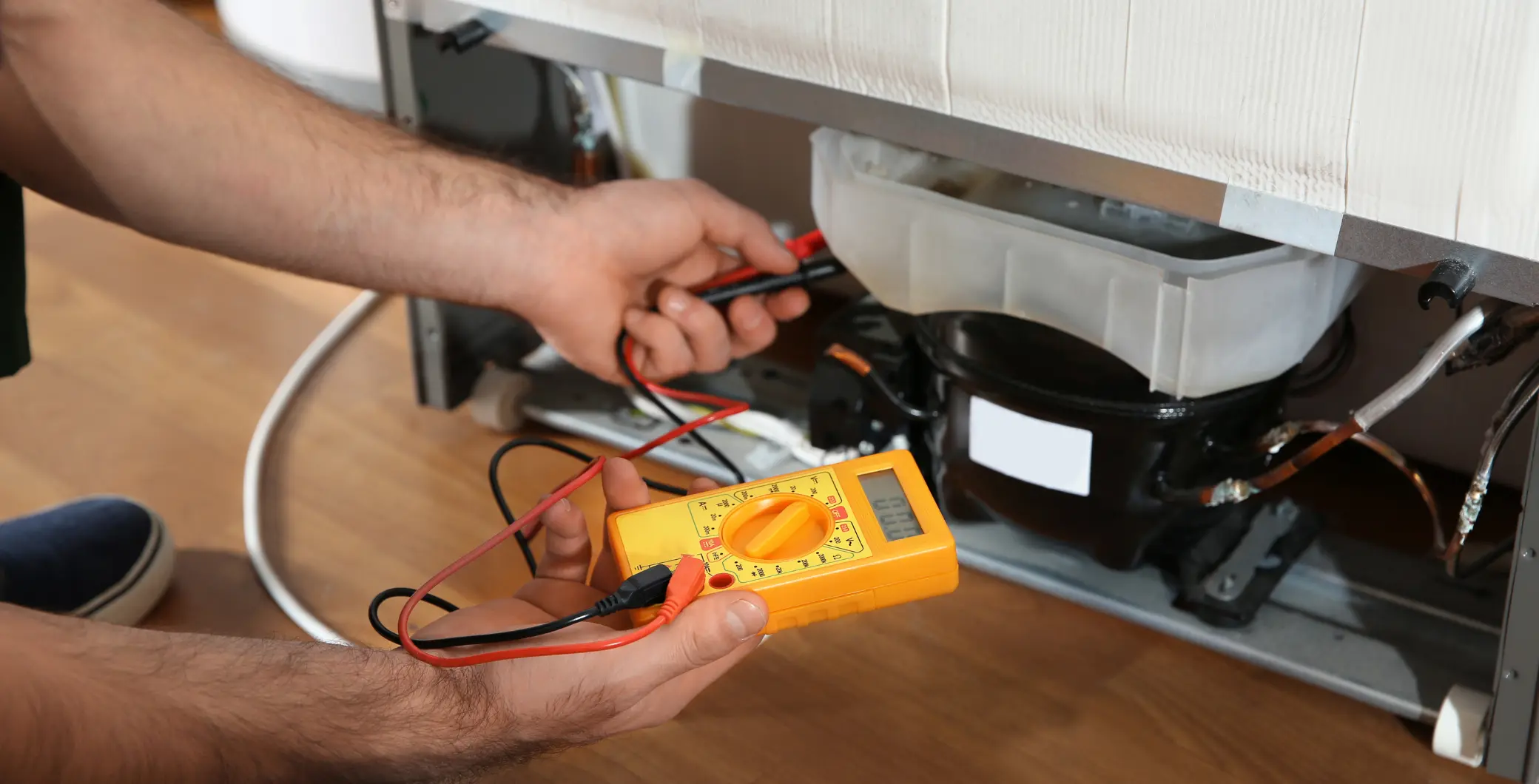
“Appliances such as your fridge, your stove, your washing machines, provided they break due to normal wear and tear, are the landlord’s responsibility [to] repair,” Edieya told Now Toronto.
Although some landlords might choose to add lease clauses requiring tenants to pay for part of the appliances’ repairs, Edieya says these clauses are deemed unenforceable, as they defy the Residential Tenancies Act.
“There are some times where landlords still put something in the paperwork where it says, ‘The tenant is responsible for paying for the first $50 of any repairs for appliances,’ and that is not enforceable,” she said.
“So, if there is ever anything that comes up that the landlord is requiring of you, and it’s something that’s not allowed, that is something you do want to take to the Landlord and Tenant Board.”
On the other hand, any damages to appliances caused by tenants’ negligence might fall on them to fix. For instance, if a dishwasher breaks because the tenant washed a product that is not dishwasher-safe, they might have to pay for repairs or replacement.
“If you have guests over, and your guest goes and they take a hammer because they get angry, and they go and they smash your microwave in. That’s not normal wear and tear, right? So, that is obvious negligence, and where that is the tenant’s responsibility,” the realtor explained.
Fixtures
Although a lot of regular maintenance is typically covered by landlords, tenants are also responsible for some issues in the unit, including small fixtures such as light bulbs and appliance filters.
For instance, if one of the unit’s light bulbs dies, the tenant would be responsible for paying for a new one and replacing it.
However, Edieya clarifies that it still falls on the landlord to make sure fixtures are in working condition. So, if a lightbulb stops working due to an electrical issue, landlords would have to arrange and pay for maintenance.
Mould or pests
The landlord also has a responsibility to make sure that the rental unit is compliant with health and safety standards, according to Edieya. This includes providing a unit that is free of mould or pests.
In case of an infestation, the realtor says tenants should notify the landlord, who then would have to pay or arrange for extermination.
“In turn, the tenant does have to maintain normal cleanliness, and they do have to cooperate with the treatment, right? So, let’s say the landlord does arrange to have an exterminator come by. The tenant does have to try to comply with those arrangements,” she added.
How long does the landlord have to act?
Although there is no clear timeline set for when the landlord should respond to any concerns or requests to deal with damages, Edieya says that they have a responsibility to act as soon as reasonably possible to address maintenance requests, especially when it comes to vital services.
Last year in April, the City of Toronto introduced a bylaw requiring landlords to promptly act when it comes to providing vital services in rental units within the city.
“You can’t tell your landlord that there’s an issue with, let’s say, the heating system, and it takes him a week to get to it. No, he does have a responsibility to act as promptly as possible,” she said.
According to the bylaw, landlords are required to address any issues related to low or no heat, hydro, gas, hot and cold water, within 24 hours of being notified. The bylaw also determines that units should not be below 21 C between Oct. 1 and May 15.
If they don’t comply, tenants have a right to contact the city through 311, and an inspector will come to investigate the issue. The city will then determine a course of action, which can include a warning to the landlord, fines, or even taking action to fix the issue and billing the landlord for the service.
When are tenants required to notify the landlord?
While landlords have to respond to any issues or maintenance requests within a reasonable time, Edieya says tenants also have to make sure they notify the landlord of any issues as soon as possible. Failing to notify them in a timely manner could also lead to trouble for the tenant.
“Let’s say there’s an issue that happens…with the plumbing system, and this is something that gets worse over time. So, if it’s something that the landlord could have fixed had he known ASAP, it’s going to look a lot different if you told him six months later, and then it has gotten really severe,” the realtor explained.
“It’s always, always in the tenant’s best interest to make sure that they are letting the landlord know as soon as possible.”
What to do if landlords don’t comply?
If tenants properly notify landlords of issues, but they fail to provide proper maintenance on time, Edieya recommends following up with the landlord when possible, and, if necessary, escalating the situation to the city or LTB.
In general, the realtor says it’s in both parties’ best interest to maintain a good relationship and attempt to resolve things amicably before escalating things.
“It’s really important, because as much as tenants want to have a really great landlord, landlords also want to have a really great tenant. If they have a great tenant, they won’t be looking to lose such a great tenant,” she said.
Meanwhile, Edieya says it’s also important for tenants to be aware of their rights and stand up to landlords when necessary, including when it comes to maintenance.
“Don’t let landlords take advantage of you, especially when it comes to things like repairs and what the landlord is responsible for, oftentimes. I feel tenants may not know all their rights, so it’s always a good idea to make sure you do some research, read up on it, and know what you are rightfully owed,” she said.
“Just let your landlord know directly that you know that this isn’t allowed, and see if they’ll kind of work with you on that level first, if you guys can resolve it there. And if not, then you do always have the LTB to resort to.”